

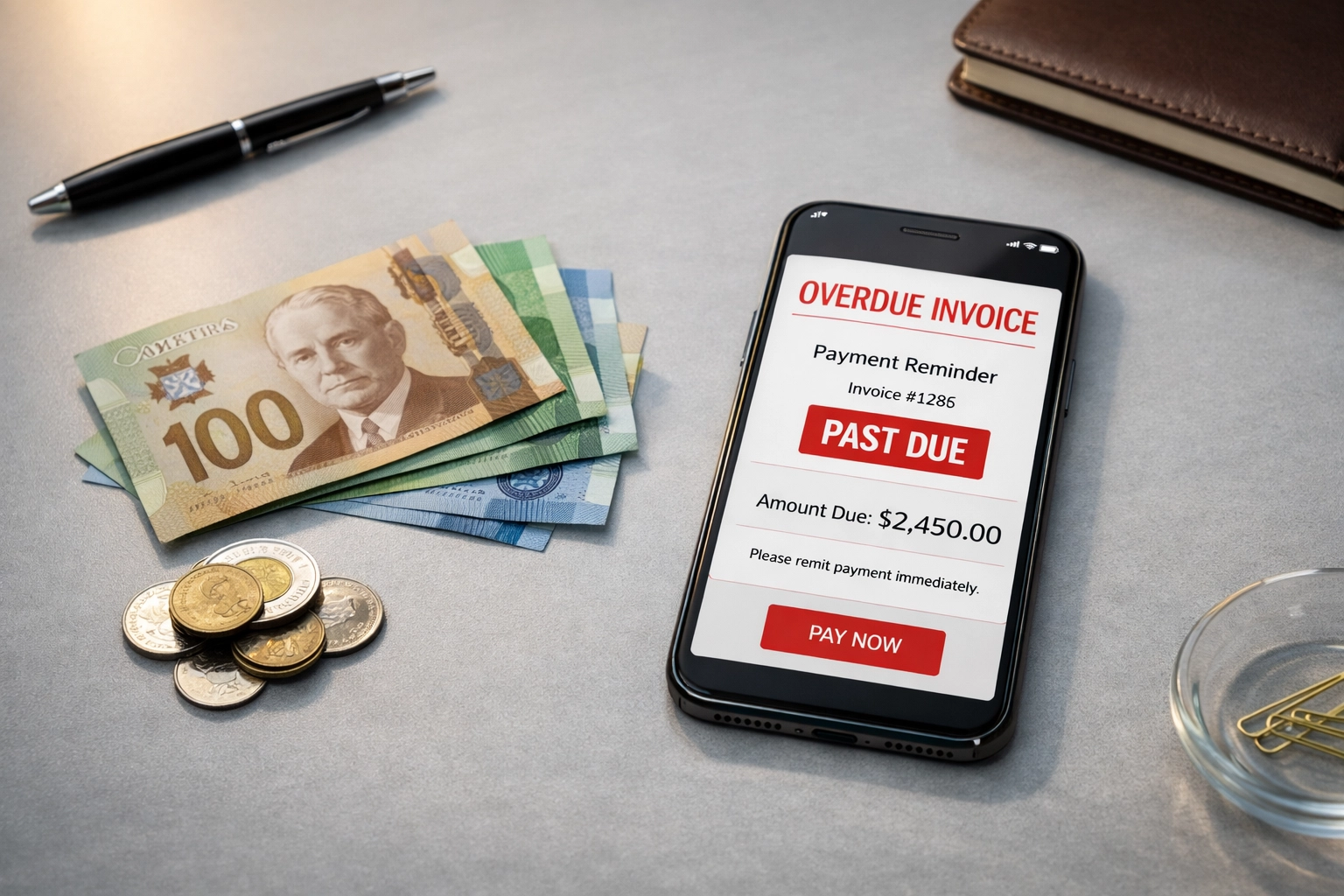
You've sent the invoice. Then another one. Maybe even a third. And still, nothing.
Sound familiar?
If your past due letters aren't getting results, you're not alone. Most Canadian business owners make the same handful of mistakes when chasing overdue payments. The good news? These mistakes are easy to fix once you know what to look for.
Let's break down the seven most common errors, and exactly how to turn things around.
Mistake #1: Being Too Vague
Here's the thing: "Please pay your outstanding balance" doesn't work.
Why? Because it's unclear. The customer doesn't know exactly what you're referring to, and vague requests are easy to ignore or "forget."
What this looks like:
- "You owe us money."
- "Please settle your account."
- "Your payment is overdue."
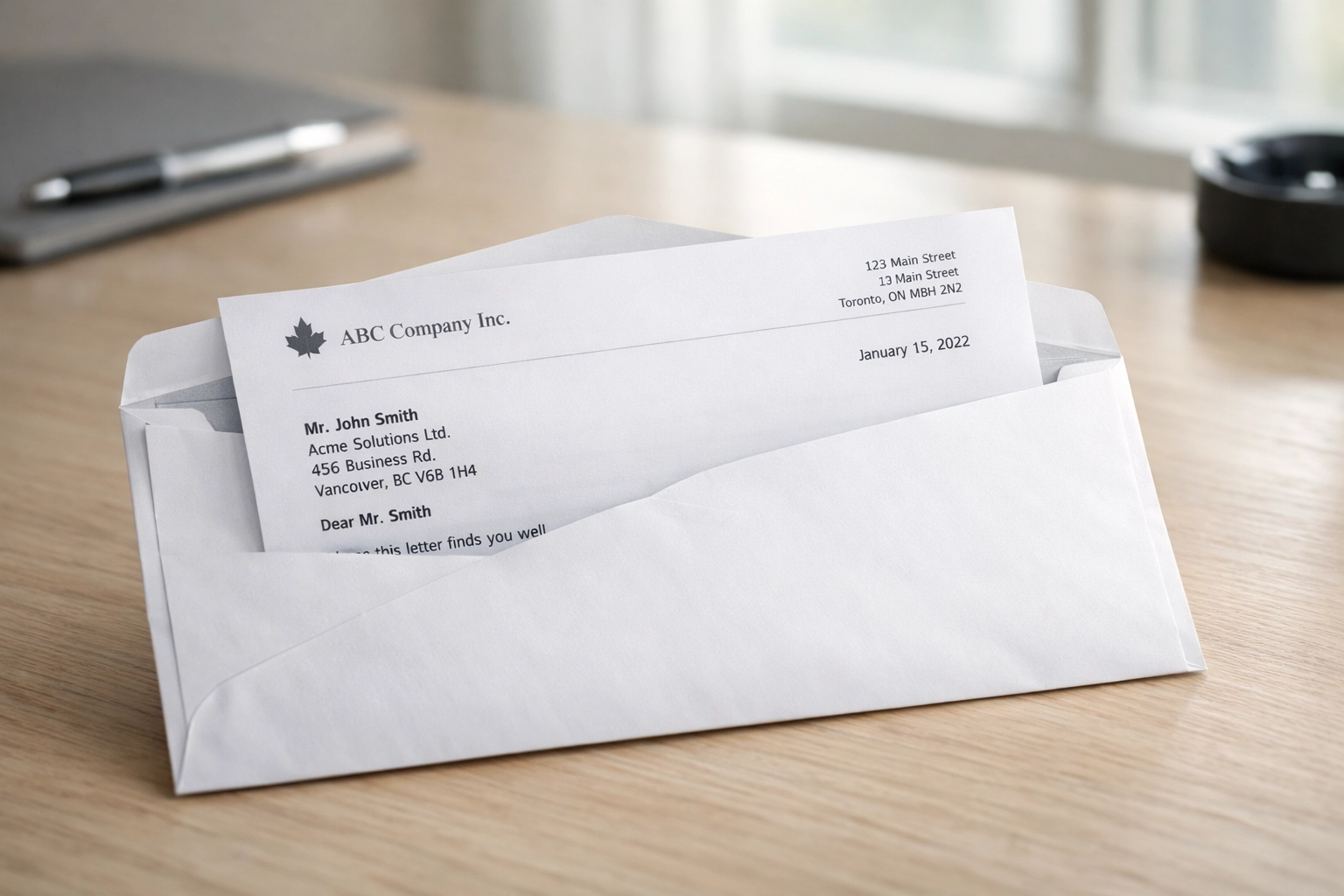
The fix: Get specific. Every past due letter should include:
- ✅ The exact amount owed
- ✅ The invoice number
- ✅ The original due date
- ✅ A brief description of the product or service
For example: "Invoice #4521 for $3,200 (website design services) was due on January 5, 2026, and remains unpaid."
That's clear. That's actionable. That gets responses.
Need help with the wording? Check out our best collection letter templates for ready-to-use examples.
Mistake #2: Setting Unrealistic Deadlines
Demanding payment "immediately" or "within 24 hours" might feel satisfying to write, but it rarely works.
Here's why: unrealistic deadlines feel aggressive, and they give the customer an easy excuse. ("I couldn't possibly pay that fast, so I just... didn't.")

The fix: Give a clear, reasonable timeframe.
- 7 to 14 days is standard for most past due letters
- Be specific: "Please arrange payment by February 3, 2026" is better than "Pay ASAP"
A reasonable deadline shows you're professional. It also removes excuses, because now they have a real date to work toward.
Mistake #3: Being Too Aggressive (or Too Passive)
This one's a balancing act.
Too aggressive sounds like: "Pay now or face consequences." It damages relationships, makes you look unprofessional, and can actually make customers less likely to pay.
Too passive sounds like: "Just checking in... no rush... whenever you get a chance..." It signals that payment isn't a priority, so they treat it that way.
The fix: Aim for firm but polite.
You want to be the calm, professional voice, even when you're frustrated. State the facts. Be direct about what you need. But skip the threats and the sarcasm.
Here's a good tone to aim for:
"We value your business and want to resolve this quickly. Please arrange payment of $2,400 by February 10, 2026. If you're experiencing difficulties, let's discuss a payment arrangement."
Professional. Clear. Not a doormat.
Mistake #4: Not Following Up Consistently
One email isn't a collections process. Neither is one letter.
A lot of business owners send a past due notice, wait a few weeks, send another one... and then just hope for the best. But inconsistent follow-up sends a message: this isn't urgent.

The fix: Create a simple, repeatable follow-up system.
Here's one that works:
- Day 1 (after due date): Send an email reminder
- Day 7: Send a text message
- Day 14: Make a phone call
- Day 21: Give a final 5-day grace period
- Day 26: Escalate to a collection agency
The key is consistency. When customers know you always follow up, they're more likely to prioritize paying you.
For more on building a solid process, read the checklist every business should follow.
Mistake #5: Forgetting the 5-Day Grace Period
This one's underrated.
Before you escalate an account, it's smart to give one final grace period: typically five business days. This does a few things:
- It shows you're reasonable
- It gives the customer one last chance to pay (and avoid collections)
- It protects you if they later claim they "never got the notice"
The fix: After your phone call or final written notice, clearly state:
"If payment is not received within 5 business days, this account will be forwarded to a collection agency."
That's it. Simple, clear, and fair. You've given them every opportunity. If they still don't pay, you can escalate with confidence.
Mistake #6: Not Keeping Records
Let's say a customer disputes the debt. Or you need to escalate to collections. Or (worst case) you end up in small claims court.
Without records, you're stuck.
The fix: Document everything.
- ✅ Copies of all invoices
- ✅ Emails, texts, and letters sent
- ✅ Notes from phone calls (date, time, what was discussed)
- ✅ Any payment promises made
- ✅ Dates of each follow-up attempt
This doesn't have to be complicated. A simple spreadsheet or notes in your accounting software works fine. The point is to have a paper trail if you ever need it.

When you eventually send an account to a collection agency, having organized records makes the process faster: and improves your chances of recovery.
Mistake #7: Waiting Too Long to Escalate
This is the big one.
Many business owners wait months (sometimes years) before sending an account to collections. By then, the customer may have moved, closed their business, or filed for bankruptcy.
Here's the reality: the older a debt gets, the harder it is to collect.
Right now, more businesses are closing and more consumers are filing for protection. The longer you wait, the higher the risk that the money becomes unrecoverable.
The fix: Set a hard deadline for escalation: and stick to it.
A good rule of thumb:
- 30–60 days past due: Ramp up internal follow-up
- 60–90 days past due: Consider sending to a collection agency
If you've followed up consistently (email → text → phone → grace period) and still haven't been paid, it's time to escalate. Don't let an overdue invoice turn into a write-off.
Not sure if it's time? Here are 5 signs your business needs a collection agency.
Quick Recap: The 7 Mistakes (and Fixes)
| Mistake | Fix |
|---|---|
| Being too vague | Include invoice #, amount, due date, and description |
| Unrealistic deadlines | Give 7–14 days with a specific date |
| Too aggressive or passive | Stay firm but polite and professional |
| Inconsistent follow-up | Use a repeatable system: email → text → call → grace period |
| Skipping the grace period | Offer a final 5 days before escalating |
| Not keeping records | Document every invoice, communication, and promise |
| Waiting too long to escalate | Send to collections at 60–90 days if unpaid |
The Bottom Line
Past due letters don't have to be a guessing game.
When you're specific, consistent, and professional: and when you know when to escalate: you'll recover more of what you're owed. And you'll spend less time chasing.
If an account has slipped past 60 days and your follow-ups aren't working, it might be time to bring in help.
ICON Collection Solutions Inc. works with Canadian businesses on a No Collection, No Fee basis. That means you don't pay unless we recover your money.
👉 Contact us today and let's get your receivables back on track.
This content is for informational purposes only and does not constitute legal advice.

.jpeg)
.png)
.png)
.png)
.png)

%20(1).jpg)





























%20(1).jpg)

.jpg)


