

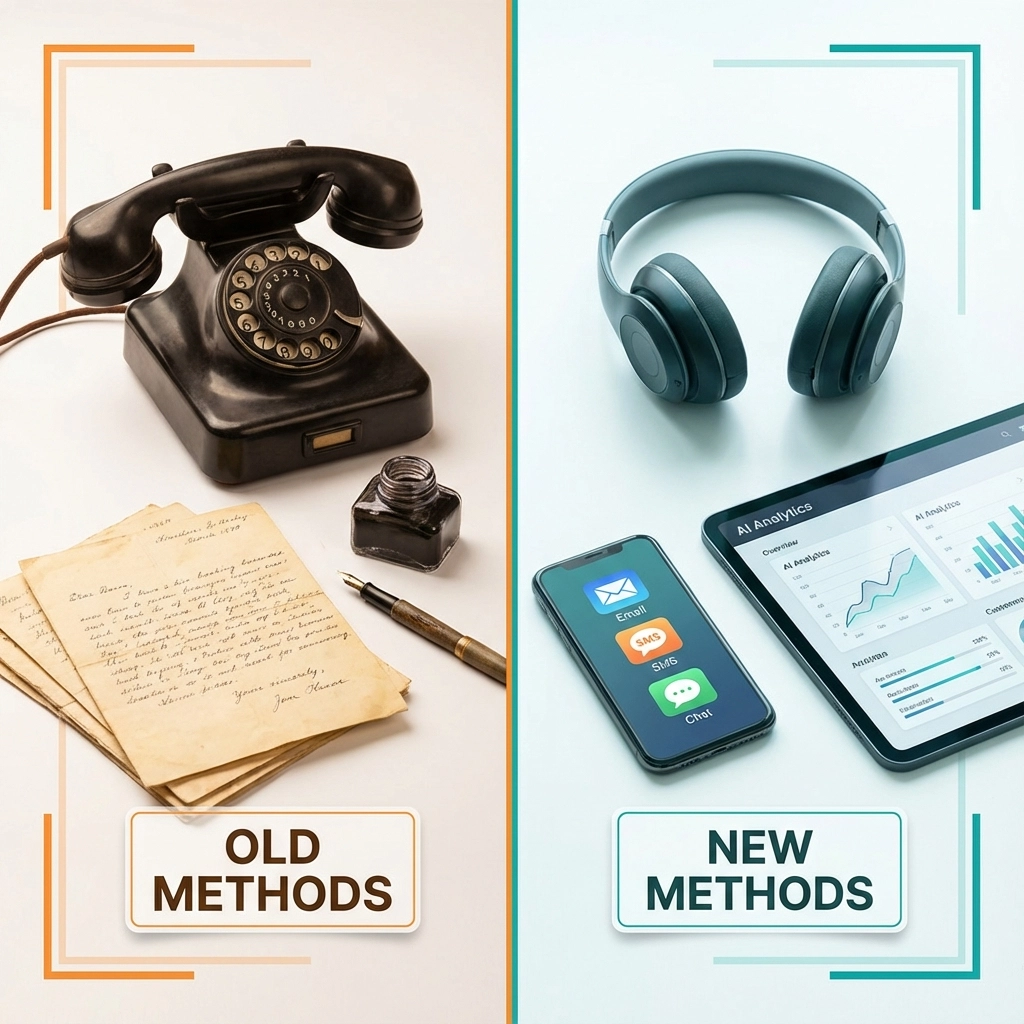
If you've been sending the same old billing letters for years and watching your collection rates stagnate, you're probably wondering if it's time to throw in the towel on traditional methods. The short answer? Traditional billing letters aren't exactly dead, but they're definitely getting a major makeover thanks to AI and automation.
Here's what's really happening in the Canadian debt recovery landscape – and why your business might be missing out on serious money by sticking to outdated methods.
The Reality Check: Where Traditional Letters Stand Today
Let's be honest – most Canadian businesses are still doing collections the way their parents did. A recent industry analysis found that 90% of collection agencies still use manual dialing and traditional letters as their primary communication methods. That's like using a flip phone in the smartphone era.

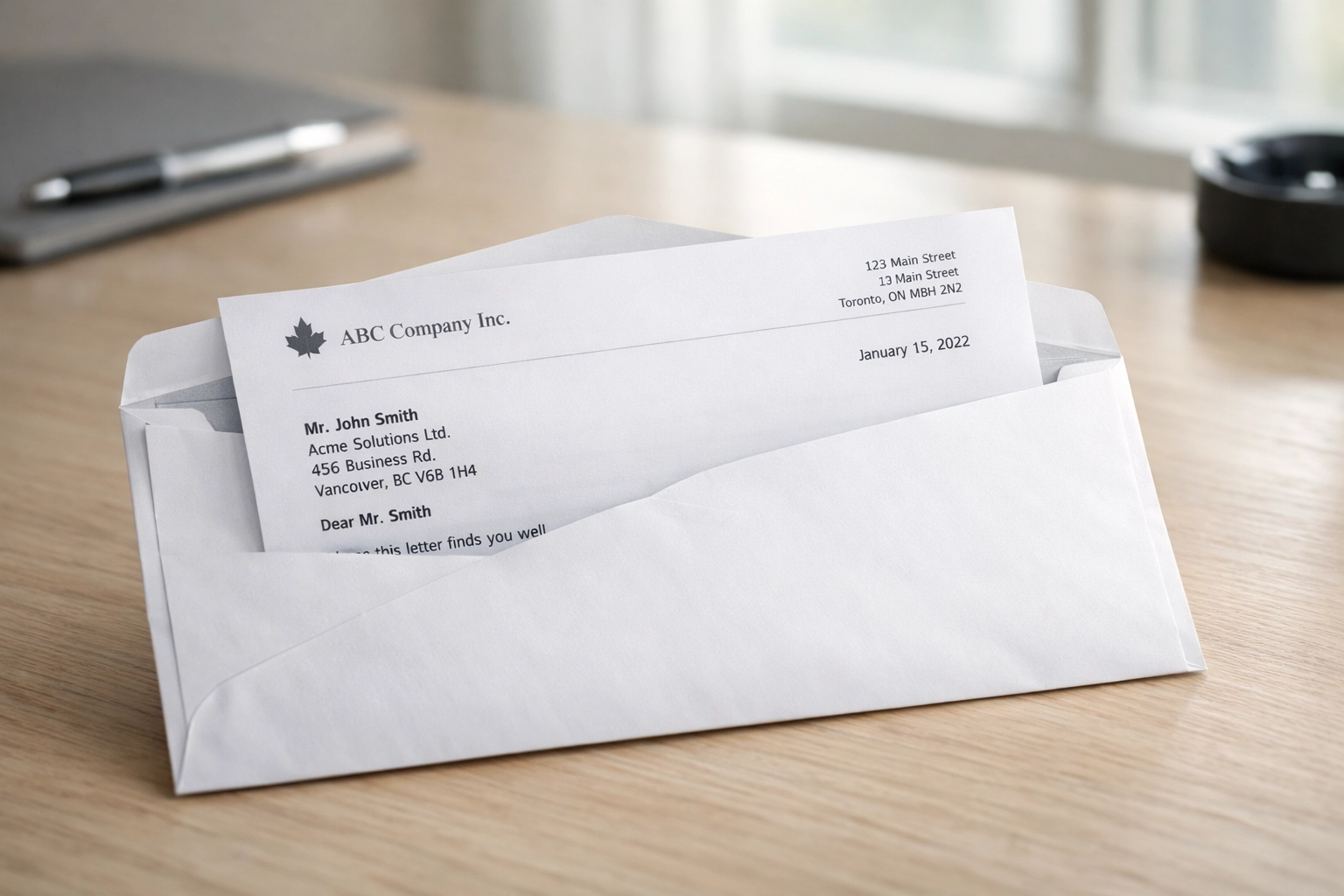
Traditional billing letters do have their place (we're not completely throwing them under the bus here). They create a paper trail, feel "official" to many debtors, and satisfy certain legal requirements. Plus, some demographics still respond better to physical mail than digital communications.
But here's the kicker – traditional letter-only approaches typically see engagement rates of just 0.5%. That means out of 100 letters you send, maybe one person actually responds. Not exactly the kind of ROI that keeps business owners excited about their receivables process.
How AI and Automation Are Flipping the Script
The game-changers aren't replacing letters entirely – they're making everything smarter, faster, and way more effective.
Intelligent Timing and Personalization
AI now analyzes when your specific customers are most likely to open emails, answer calls, or respond to texts. Instead of sending generic "pay up" letters on the same schedule for everyone, modern systems learn from payment patterns and behavior data to time communications perfectly.
For example, if your customer typically pays invoices on the 15th of each month, AI can automatically adjust reminder schedules to hit them just before their usual payment window.
Multi-Channel Communication That Actually Works
Remember when your only options were "send letter" or "make phone call"? Those days are long gone. Modern debt recovery uses:
• Automated email sequences with payment links • SMS reminders (because everyone checks their texts) • AI-powered phone calls that sound surprisingly human • Portal notifications for customers who prefer online interactions • Even social media (professionally, of course)
The beauty is that all these channels work together. A customer might get a friendly email reminder, followed by a text with a payment link, backed up by a traditional letter if needed.
Predictive Analytics for Better Results
Here's where things get really interesting. AI doesn't just send communications – it predicts which customers are likely to pay, which ones might need payment plans, and which accounts should be prioritized for immediate action.
Canadian businesses using these systems report recovery rates that are 3-7 times higher than traditional letter-only approaches. One BC manufacturing company we know saw their collection rate jump from 23% to 67% after implementing AI-powered multi-channel communication.
What Canadian Businesses Are Actually Seeing
The numbers don't lie. Here's what companies across Canada are reporting after modernizing their receivables:
Response Rates: • Traditional letters: 0.5-2% response rate • AI-powered multi-channel: 15-35% response rate • Combined approach (smart letters + digital): 40-60% response rate
Collection Timelines: • Old method: Average 90-120 days to resolution • Modern approach: 30-45 days to resolution • Some accounts resolve in under 2 weeks with automated payment plans
Staff Efficiency: • Manual follow-ups: 1 staff member handles 50-100 accounts effectively • Automated systems: Same staff member can manage 500+ accounts

The Pros and Cons: Traditional vs. Modern
Traditional Letters Still Win At:
✓ Legal compliance (physical paper trail) ✓ Older demographics who prefer mail ✓ "Official" feeling that some debtors respect ✓ Low tech requirements (no fancy software needed)
Traditional Letters Struggle With:
✗ Terrible response rates (under 2%) ✗ Slow delivery (3-5 days minimum) ✗ No real-time tracking of who opened what ✗ Limited payment options (usually just "mail a check") ✗ High costs ($2-5 per letter including postage)
AI and Automation Excel At:
✓ Speed (instant delivery) ✓ Personalization (tailored to each customer) ✓ Multiple touchpoints (email, text, call, letter) ✓ Real-time analytics (you know exactly what's working) ✓ Integrated payments (one-click payment links) ✓ Cost efficiency (pennies per contact vs. dollars)
Modern Methods Can Struggle With:
✗ Technology learning curve for some staff ✗ Initial setup costs (though ROI is typically 3-6 months) ✗ Customers who avoid digital communication
Where ICON Collection Solutions Fits In
This is exactly why agencies like ICON Collection Solutions exist – to bridge the gap between old-school effectiveness and new-school efficiency.
We've seen too many Canadian businesses lose thousands of dollars because they're either stuck in the past or overwhelmed by technology options. Our approach combines the best of both worlds:
• Smart traditional letters (yes, we still use them when appropriate) • AI-powered communication sequences that actually get responses • Multi-channel follow-ups that meet customers where they are • Compliance with Canadian regulations (because nobody wants legal headaches)
When we helped a Vancouver service company recover $50,000 in outstanding invoices, it wasn't just one magic bullet – it was a strategic combination of personalized letters, automated email sequences, and perfectly-timed phone calls.
5 Tips to Modernize Your Receivables Process
Ready to drag your collections process into 2025? Here's how to start:
1. Audit Your Current Response Rates Track exactly how many customers respond to your current letters. If it's under 5%, you've got room for major improvement.
2. Start With Email Automation Before jumping into full AI, set up simple automated email reminders. Most businesses see immediate improvements just from consistent, professional email follow-ups.
3. Add Payment Links to Everything Make it stupidly easy for customers to pay. Include direct payment links in emails, texts, and even traditional letters (QR codes work great for this).
4. Segment Your Customers Not everyone needs the same approach. Separate your habitual late-payers from your usually-reliable customers and communicate differently with each group.
5. Consider Professional Help If managing all this sounds overwhelming (and honestly, it can be), partnering with a modern collection agency might be your best move. The cost of professional services often pays for itself within the first few recovered accounts.
The Bottom Line
Traditional billing letters aren't dead – they're evolving. The businesses that combine the authority of professional letters with the efficiency of AI and automation are seeing collection rates that would make their competitors weep with envy.
The question isn't whether you should abandon letters entirely (you shouldn't). The question is whether you're ready to stop leaving money on the table by doing things the way they've always been done.
Your receivables aren't going to improve themselves. Every day you wait is another day of lost revenue, frustrated customers, and unnecessary stress for your team.
Ready to see what modern debt recovery can do for your Canadian business? Contact ICON Collection Solutions today and let's turn your outstanding invoices into incoming payments. Because at the end of the day, the best collection method is the one that actually gets you paid.

.jpeg)
.png)
.png)
.png)
.png)

%20(1).jpg)

























%20(1).jpg)

.jpg)


