

The payment collection landscape in Canada has transformed dramatically, and 2026 is proving to be a pivotal year. With Canada's real-time payments system launching mid-year and digital adoption reaching new heights, Canadian businesses are asking the critical question: should you stick with traditional mail-based collection methods, go fully digital, or find the sweet spot in between?
At ICON Collection Solutions, we've been tracking these trends closely while helping hundreds of Canadian businesses recover millions in outstanding payments. The data tells a compelling story, and the results might surprise you.
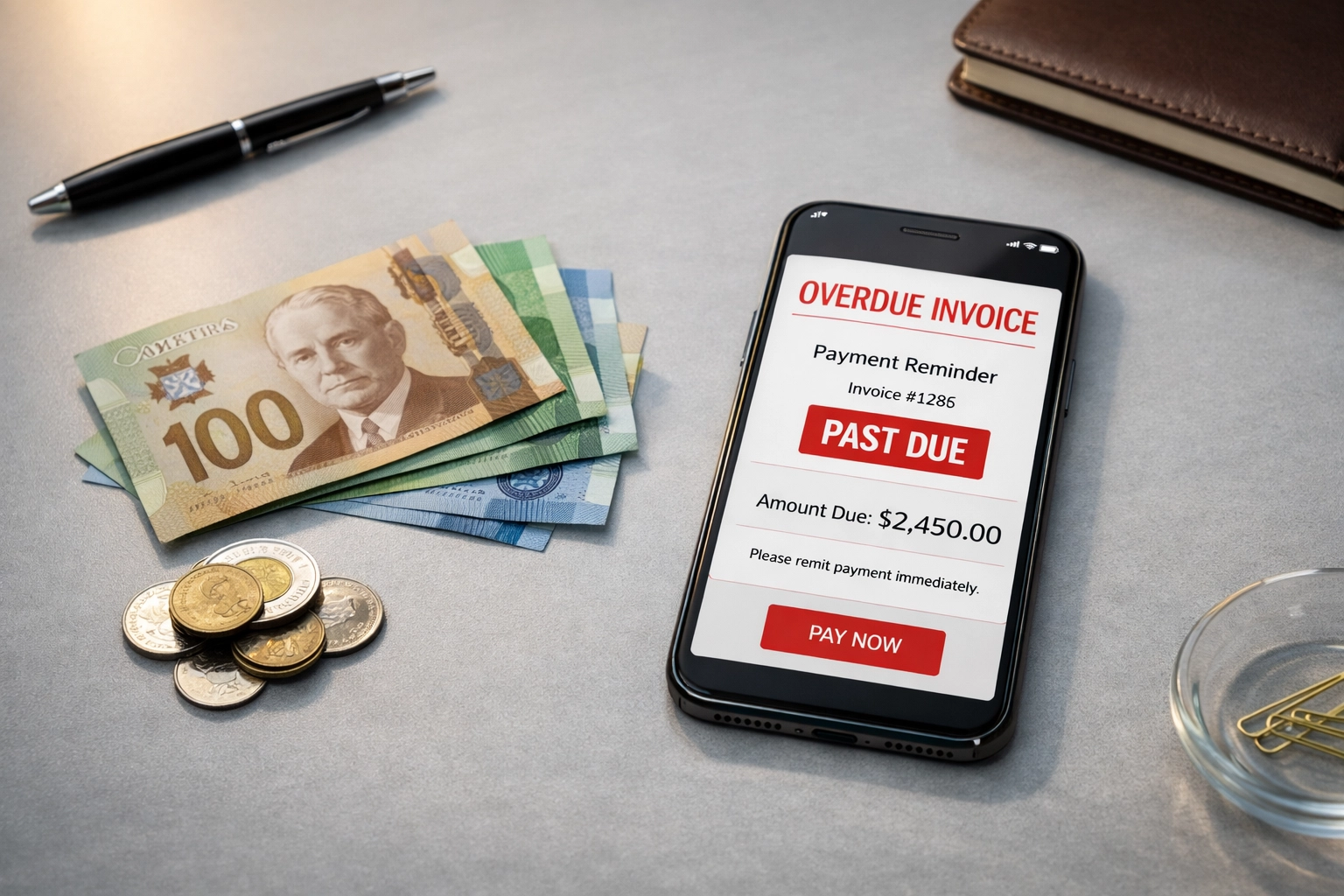
The Digital Payment Revolution is Here
Let's start with the numbers that matter. Electronic payment methods now account for 63% of total payment value in Canada, while traditional paper cheques have dropped to just 22% – and that percentage keeps shrinking every quarter.
But here's what's really exciting: Canada's new real-time payments (RTP) system is revolutionizing how quickly businesses can collect what they're owed. Instead of waiting 3-5 business days for funds to clear, payments now happen instantly. For cash flow, this is game-changing.

Why Digital Methods Are Winning
Speed and Automation Digital collection methods eliminate the manual processes that slow everything down. No more printing letters, stuffing envelopes, or waiting for postal delivery. With automated email sequences and SMS reminders, you can reach debtors immediately and consistently.
Customer Preference Alignment Here's a stat that might shock you: 60% of Canadians make online purchases monthly, and e-commerce is expected to hit $96.7 billion by 2028. Your customers are already living digitally – shouldn't your collection process meet them where they are?
Real-Time Tracking and Analytics Digital methods give you data traditional mail simply can't provide. You'll know immediately if someone opened your email, clicked a payment link, or ignored your message entirely. This intel helps you adjust your approach in real-time.
Where Traditional Mail Still Has Its Place
Before you completely write off traditional mail collection methods, let's be honest about where they still deliver results.
High-Value B2B Collections When you're dealing with corporate clients and significant amounts (think $10,000+ invoices), a formal letter can carry weight that an email might not. Some businesses still prefer paper documentation for their procurement processes and compliance requirements.
Legal Documentation Requirements Certain collection actions still require physical mail for legal compliance. When you need to establish a paper trail for potential legal proceedings, traditional mail provides the formal documentation courts recognize.

Reaching Older Demographics While digital adoption is widespread, some business owners (particularly in traditional industries) still respond better to physical mail. It's a smaller segment, but sometimes it's the segment that owes you money.
Head-to-Head: The Real Performance Comparison
Let's break down how these methods actually perform where it matters most:
Response Rates
- Digital collections: 15-25% average response rate
- Traditional mail: 8-12% average response rate
Digital wins here, and it's not even close. But here's the nuance: while digital gets more responses overall, mail sometimes gets higher-value responses from serious prospects.
Speed to Resolution
- Digital: 24-48 hours for initial response
- Traditional mail: 7-14 days for initial response
In collections, time is money. Every day an invoice goes unpaid costs you in cash flow and increases the likelihood it becomes uncollectable.
Cost Efficiency
- Digital: $0.50-$2.00 per contact attempt
- Traditional mail: $3.00-$8.00 per contact attempt
When you're dealing with hundreds of outstanding invoices, these cost differences add up fast.
Compliance and Documentation
- Digital: Excellent tracking, automated compliance features
- Traditional mail: Strong legal standing, formal documentation
Both have their strengths here, which is why the best collection strategies use both strategically.
ICON's Hybrid Approach: Getting the Best Results
After years of testing and refining our methods, we've found that the most successful collection strategies aren't "either/or" – they're "both, but strategic."
Here's how we typically structure a collection campaign:
Phase 1: Digital First Contact (Days 1-30) We start with email and SMS because they're fast, cost-effective, and many debtors prefer them. Our automated sequences can send friendly payment reminders that maintain customer relationships while gently encouraging payment.
Phase 2: Escalated Digital (Days 31-60) If the friendly approach doesn't work, we escalate with more formal digital communications. This might include certified email delivery or secure online portals that require acknowledgment of receipt.
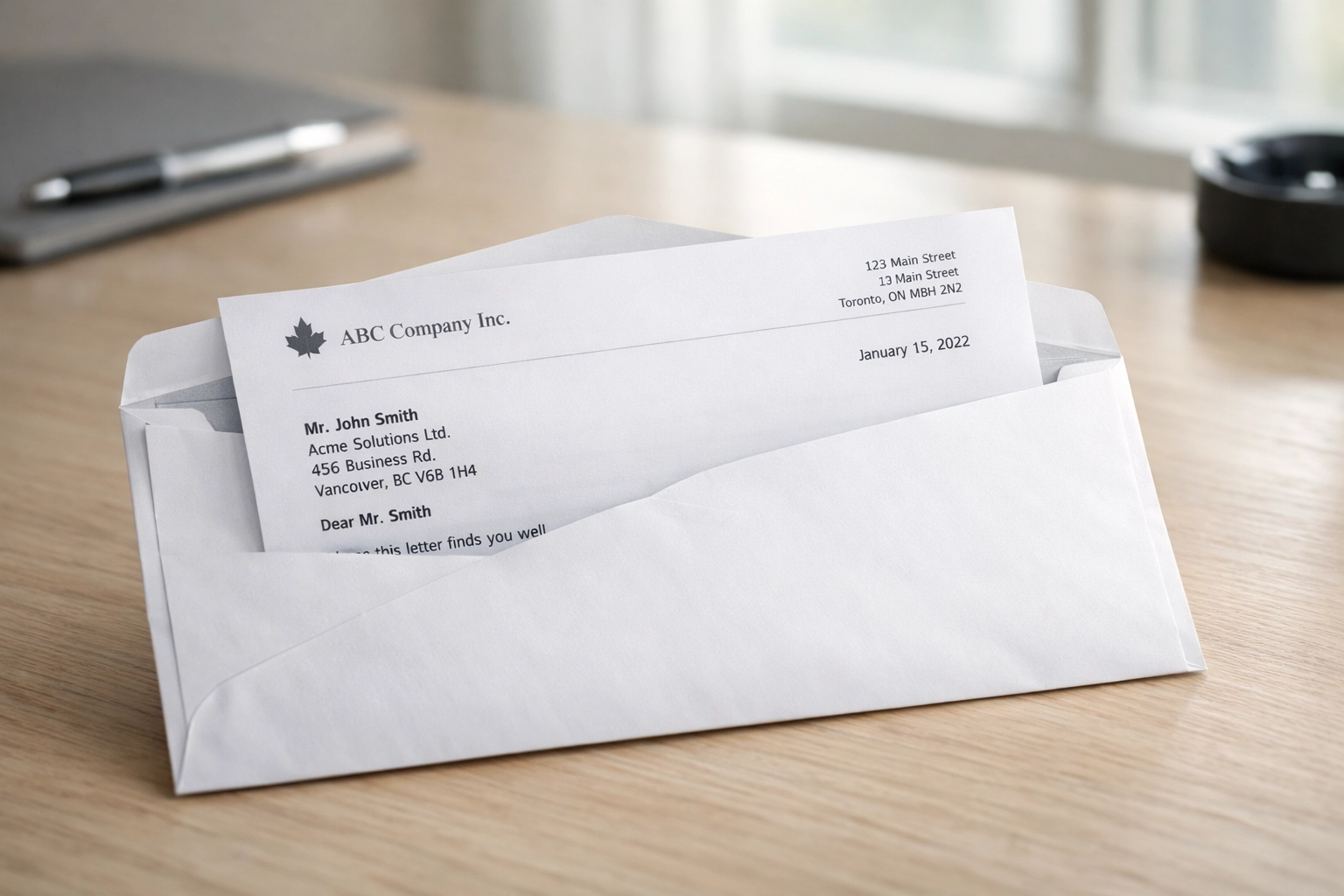
Phase 3: Strategic Mail Integration (Days 61+) For accounts that haven't responded to digital outreach, we introduce formal mail collection letters. These carry more weight and often prompt action from debtors who've been ignoring emails.

The result? We're seeing average collection rates 35% higher than agencies using single-method approaches.
Compliance in the Digital Age
One concern we hear often is whether digital collection methods meet Canada's strict debt collection regulations. The answer is yes – when done properly.
Digital collections must still comply with provincial collection laws, including:
- Appropriate contact hours (no late-night automated messages)
- Clear identification of the collection agency
- Accurate debt validation information
- Respect for consumer rights and dispute processes
The advantage of digital systems is that compliance can be built into the automation. Our systems automatically prevent calls outside permitted hours and ensure all required disclosures are included in every communication.
Looking Forward: What This Means for Your Business
As we move through 2026, the trends are clear. Businesses that adapt to digital-first collection strategies while maintaining strategic use of traditional methods will see the best results.
Here's what we recommend:
✅ Start with digital for all new collections – it's faster, cheaper, and often more effective
✅ Use mail strategically for high-value accounts – the formality can prompt action when digital hasn't
✅ Invest in integrated systems – platforms that can seamlessly manage both digital and mail campaigns
✅ Track everything – use the data advantages digital provides to continuously improve your approach
✅ Stay compliant – ensure your digital methods meet all regulatory requirements
The Bottom Line
In 2026, the question isn't really "mail vs. digital" anymore – it's "how do I use both strategically to maximize my collections while maintaining good customer relationships?"
At ICON Collection Solutions, we've built our success on understanding that every debt is different, every debtor responds differently, and every business has unique needs. That's why we've invested in systems that give us the flexibility to use whatever collection method will be most effective for each specific situation.
The businesses seeing the best collection results this year aren't the ones stubbornly sticking to outdated methods or jumping blindly onto every new digital trend. They're the ones working with experienced collection partners who understand how to blend traditional effectiveness with modern efficiency.
Ready to see what a strategic, multi-channel collection approach can do for your business? We'd love to show you how ICON's proven process has helped Canadian businesses recover millions in outstanding payments while maintaining positive customer relationships.
Contact us today and let's discuss how we can improve your collection results in 2026 and beyond.
This content is for informational purposes only and does not constitute legal advice.

.jpeg)
.png)
.png)
.png)
.png)

%20(1).jpg)
































%20(1).jpg)

.jpg)


