
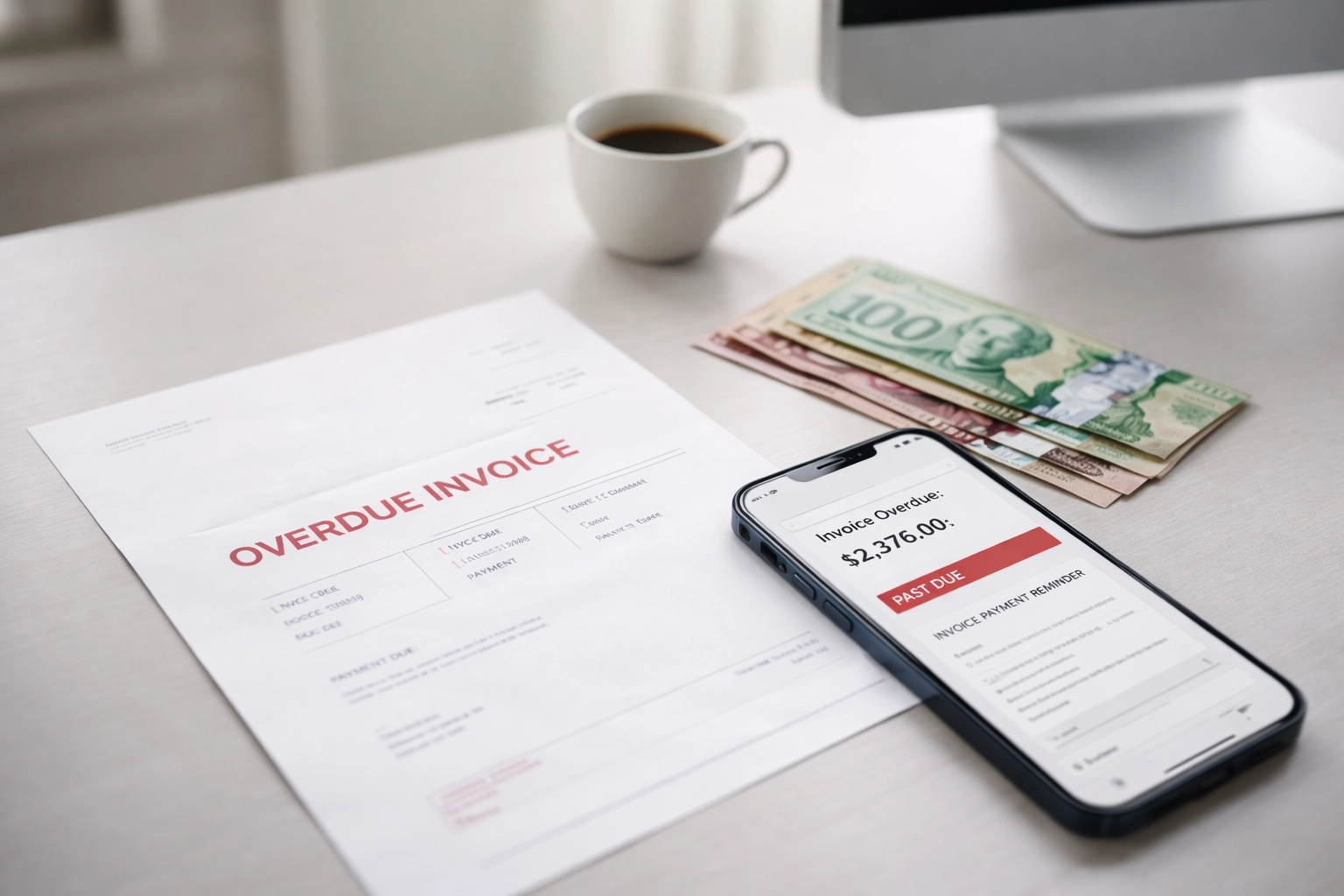
Let’s be honest: you didn’t start your business because you had a burning passion for chasing people down for $500. You started it to create, to build, and to help your community. But here you are, staring at a spreadsheet of overdue invoices that is longer than your weekend grocery list.
Cash flow is the heartbeat of any small business. When a client doesn’t pay, it’s not just a "paperwork issue", it’s your rent, your payroll, and your peace of mind. In Canada, especially in fast-moving hubs like Vancouver, Calgary, and Edmonton, business owners are finding that the "polite Canadian" approach isn't always enough to get the bills paid.
If you are tired of playing the role of a private investigator just to get your own money back, this guide is for you. We are going to look at the best ways to recover those funds without losing your sanity (or your professional reputation).
The Most Creative (and Hilarious) Reasons People Don’t Pay
Before we get into the "how-to," let’s take a moment to appreciate the sheer creativity of the human mind when it comes to avoiding a bill. At ICON Collection Solutions Inc., we’ve heard it all. If you’ve heard these, you aren’t alone:
- "The check is in the mail." (Ah, the classic. The most popular work of fiction since Harry Potter.)
- "My accountant is currently on a spiritual retreat in the Rockies and took the checkbook with him." (Sure, he did.)
- "The dog actually ate the invoice." (Digital invoices too? That’s an impressive dog.)
- "I thought this was a free trial." (Sir, we’ve been working together for three years.)
- "Our office was hit by a localized electromagnetic pulse that only wiped out our accounts payable department." (A personal favorite.)
While these might make for a good laugh at the local pub, they don't help your bank account. Here is how you actually handle the "non-payers."
Step 1: Prevention is Better (and Cheaper) Than the Cure
The easiest way to recover an overdue invoice is to make sure it never becomes overdue in the first place. This starts with clear, iron-clad contracts. If you don't have a late fee policy, you’re essentially giving your clients a 0% interest loan.
- Specify Terms Upfront: Don’t just say "due on receipt." Use specific dates (e.g., "Net 15").
- Automate Your Billing: Use software to send payment collection mail automatically. Humans are forgetful; robots are relentless.
- Offer Multiple Payment Options: If you only accept checks mailed to a P.O. Box in rural Alberta, you’re making it too hard for them. Accept credit cards, e-transfers, and wire transfers.

Step 2: The Progressive Escalation Strategy
You don’t want to go from "Hey, just checking in!" to "I’m calling my lawyer" in 24 hours. You need a timeline that builds pressure systematically.
Days 1-3 Overdue: The Gentle Nudge
Sometimes people genuinely forget. Send a friendly email. Attach the invoice again (so they don't have the "I lost it" excuse) and remind them of the payment link.
Pro tip: Use best collection letter templates to ensure your tone is professional yet firm.
Days 7-14 Overdue: The "Human Connection" Call
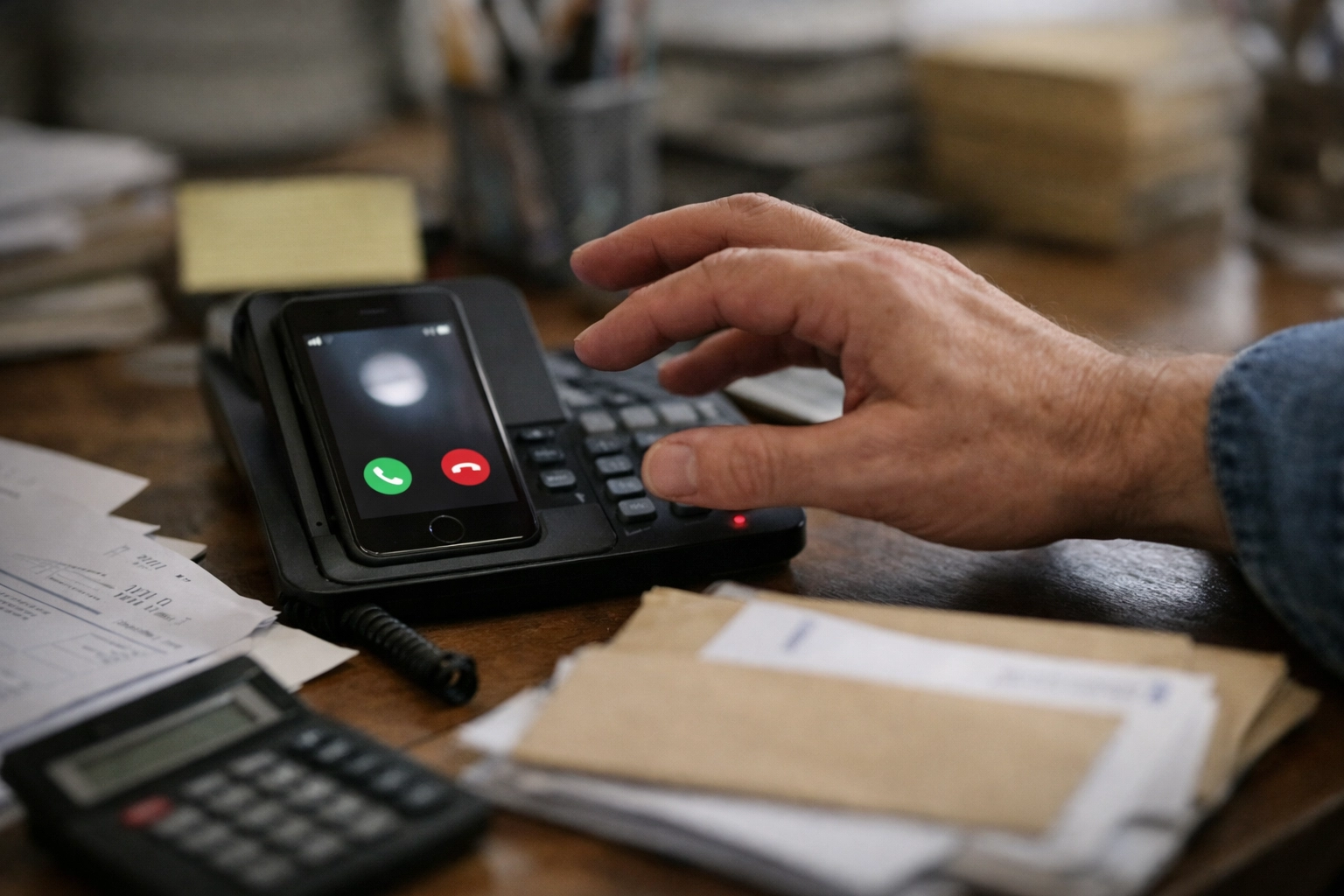
If the emails are being ignored, pick up the phone. A voice on the other end is much harder to ignore than a line of text in an inbox. Ask if there is an issue with the service or if they need a payment plan. (Always stay professional: you're a business owner, not a movie mobster.)
Day 30 Overdue: The Final Warning
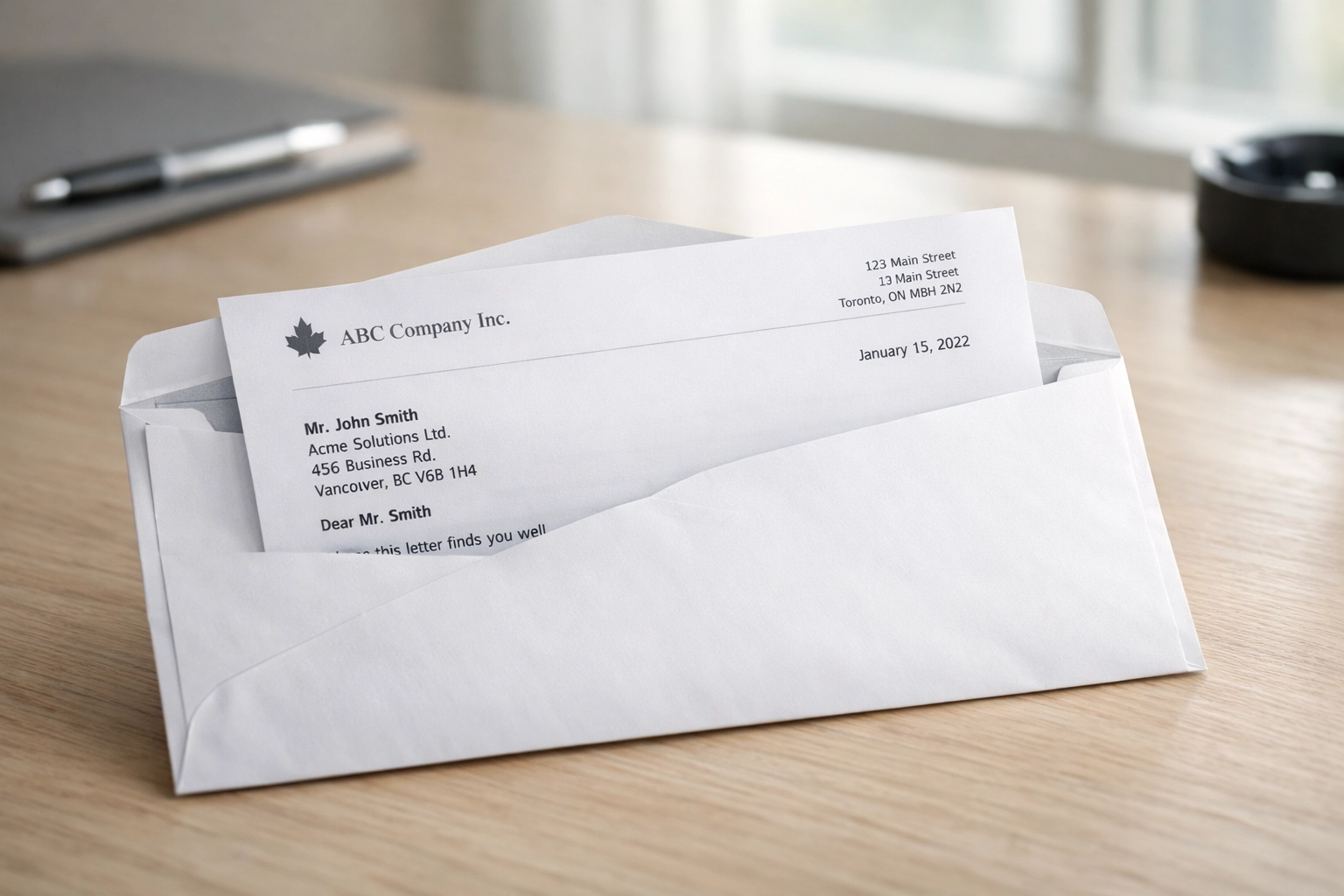
At this point, you need to be clear about the consequences. Mention that if payment isn't received within 7 days, the account will be escalated to a collection agency in bc or your local jurisdiction. This is also when you should send formal billing letters via registered mail to ensure you have proof of delivery.
Step 3: When to Bring in the Pros
There comes a point where your time is more valuable than the amount you are chasing. If you are spending five hours a week chasing a $2,000 invoice, you are losing money on the opportunity cost alone.
Hiring a professional service like ICON Collection Solutions Inc. isn't just about getting the money; it’s about delegating the stress.
- We know the laws: Debt collection in Alberta and BC has specific rules. We follow them to the letter so you don’t have to worry about legal blowback.
- We have the tools: We use skip-tracing and advanced technology to find people who have "vanished." Check out how AI is changing debt collection to see how we stay ahead.
- Higher Success Rates: A third-party letterhead usually gets a much faster response than a second or third email from you. In fact, we’ve helped businesses recover $50,000 in outstanding invoices that they thought were lost forever.

Step 4: Legal Options in Western Canada
If the amount is significant: say, over $5,000: and the debtor has assets but simply refuses to pay, you might consider legal action.
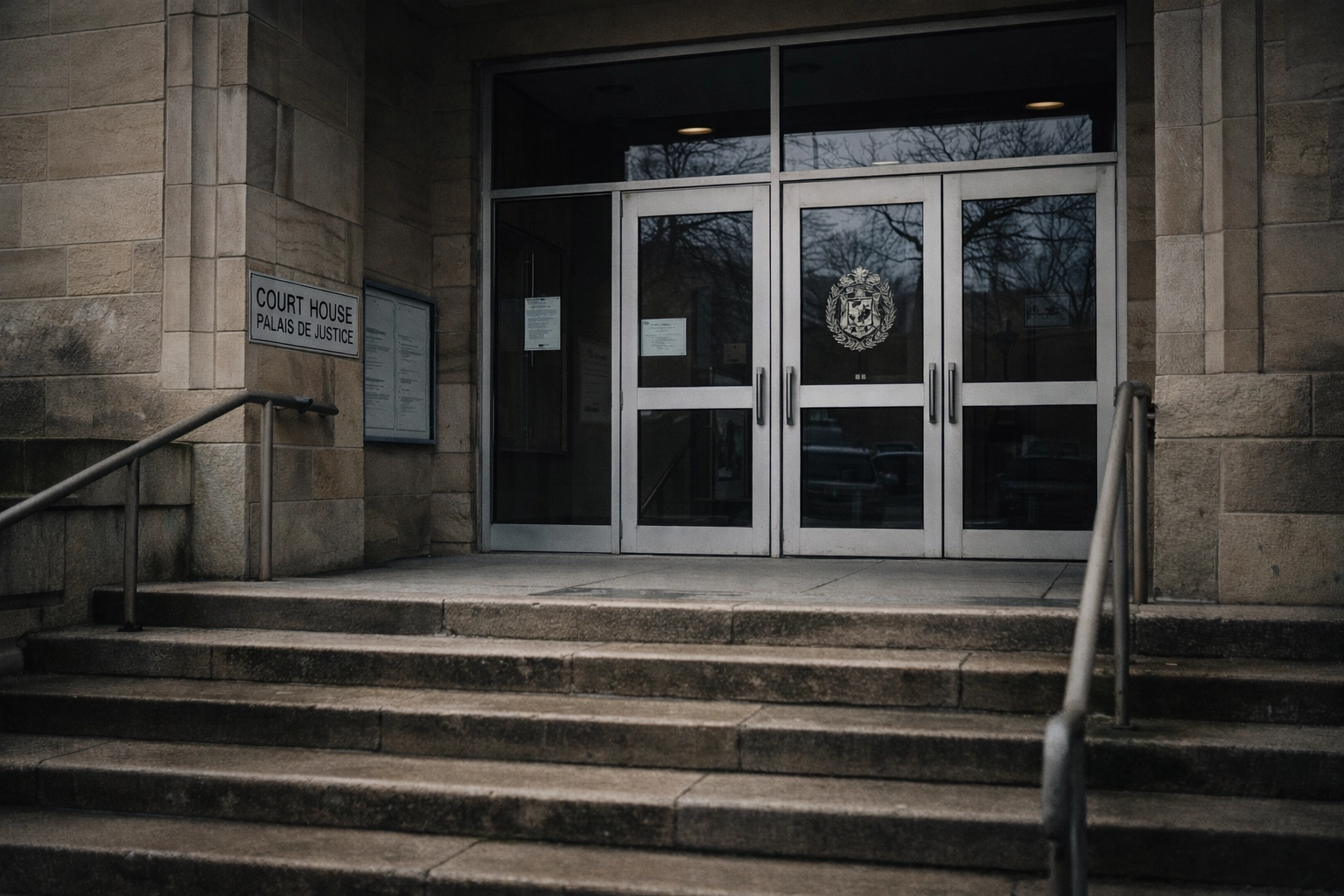
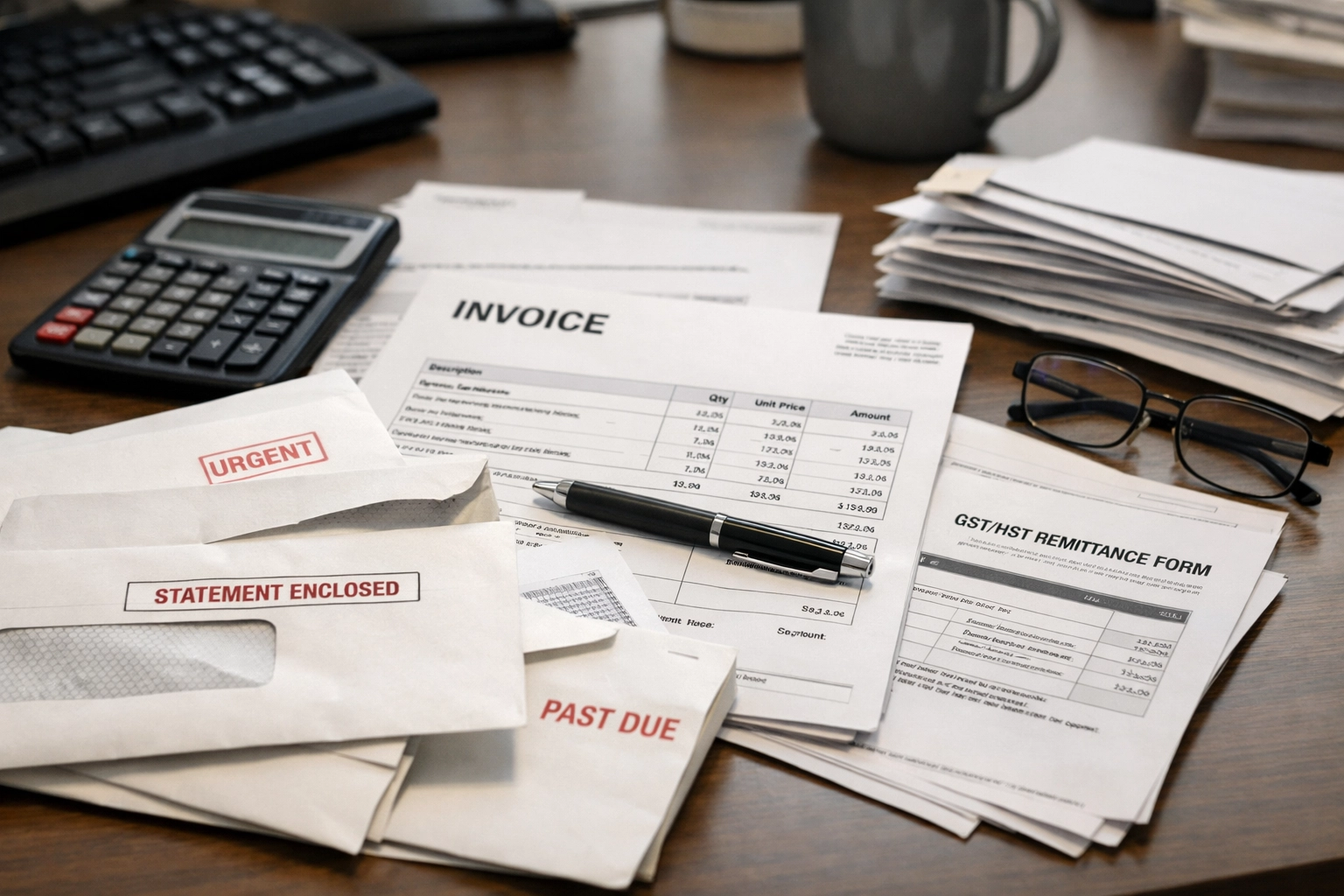
- Small Claims Court: In BC and Alberta, Small Claims Court is designed for people to represent themselves. It’s relatively inexpensive, but it is time-consuming. You’ll need all your documentation: signed contracts, proof of delivery, and a record of all your payment collection mail.
- Civil Lawsuits: For much larger debts, you might need a lawyer to file a civil claim. However, the legal fees can quickly eat up the amount you’re trying to recover.
Whether you are looking for collections in Calgary or a collection agency in Surrey BC, understanding the local landscape is key. Every province has its own Business Practices and Consumer Protection Act, and you don't want to accidentally violate it while trying to get paid.
The ROI of Not Giving Up
Many small business owners feel "guilty" about chasing debt. They don't want to seem mean. But look at it this way: if you went to a restaurant, ate a five-course meal, and walked out without paying, the owner wouldn't feel "mean" for calling the police.
When you provide a service or a product, you have fulfilled your end of the bargain. The client is legally and ethically obligated to fulfill theirs.
By implementing a 2-step debt repayment plan and staying on top of your accounts receivable, you can maintain a healthy business. If you’re struggling to keep up, focusing on 3 key areas for your small business can help you regain control.
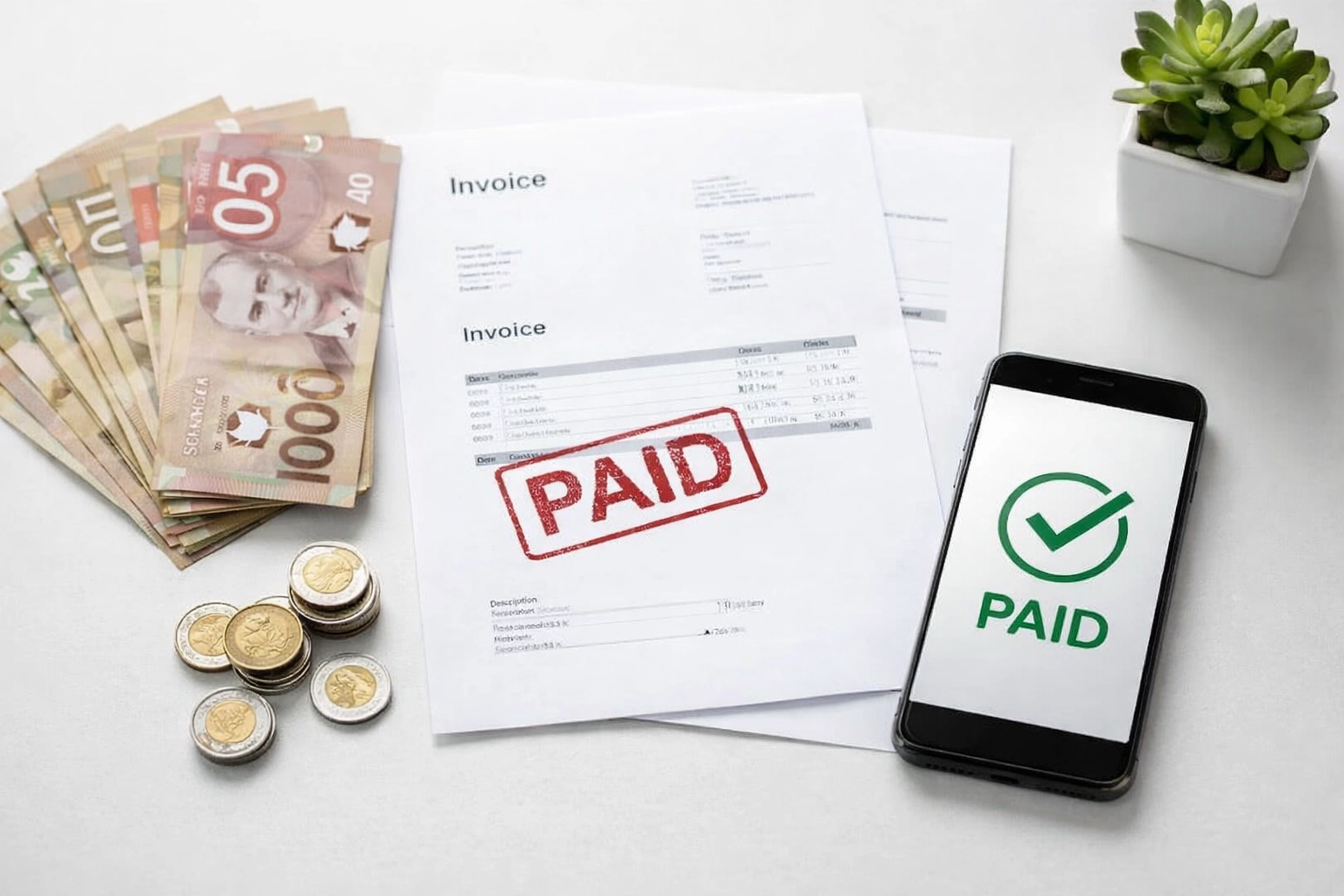
Summary Checklist for Recovery:
- Review your contract: Do you have the right to charge interest? (Usually 1.5% - 2% per month is standard).
- Send the "Friendly" Reminder: Within 3 days of the due date.
- The Telephone Call: At the 10-day mark.
- The Demand Letter: At the 30-day mark (sent via registered mail).
- Outsource: If it hits 60-90 days, it’s time to send it to ICON.
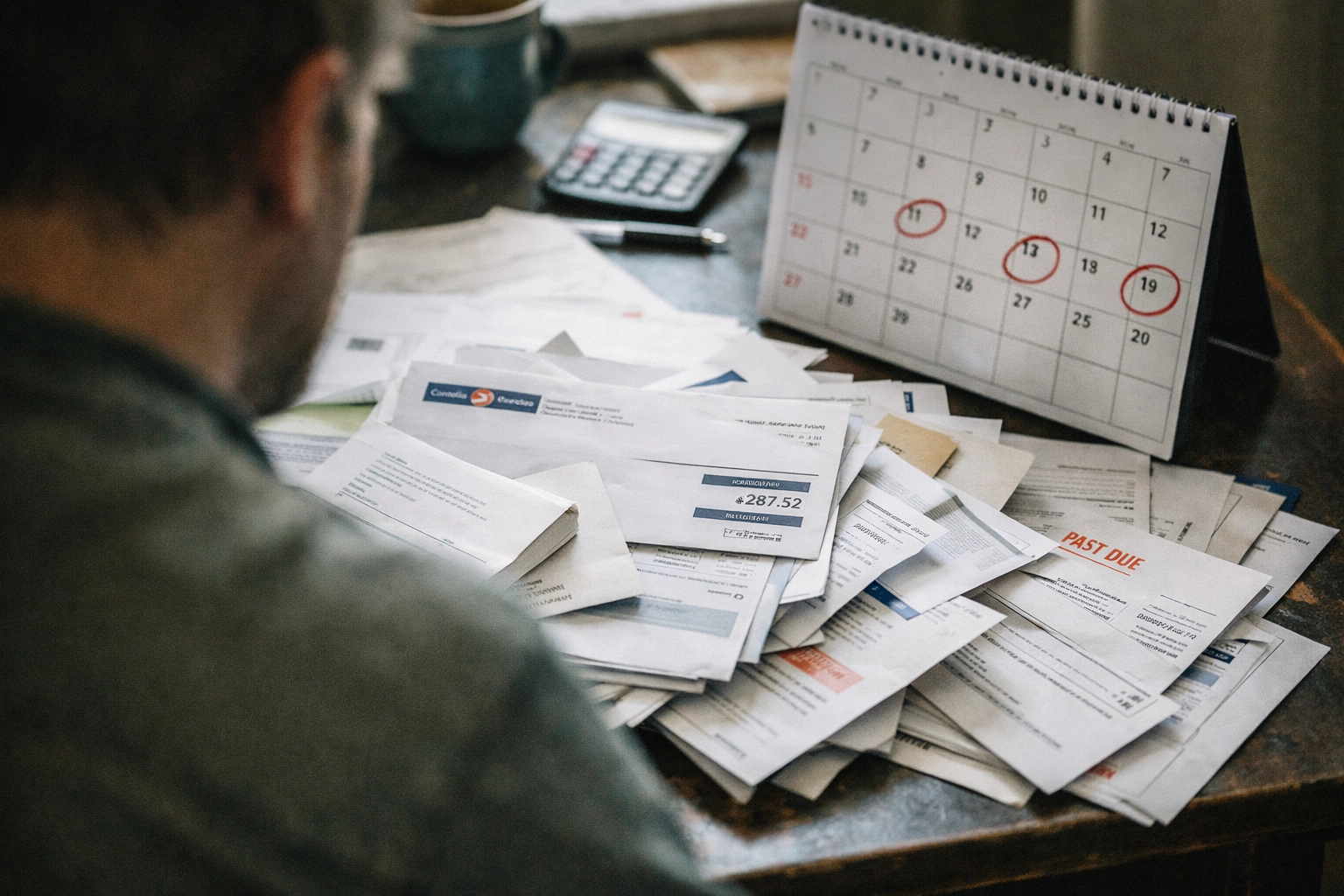
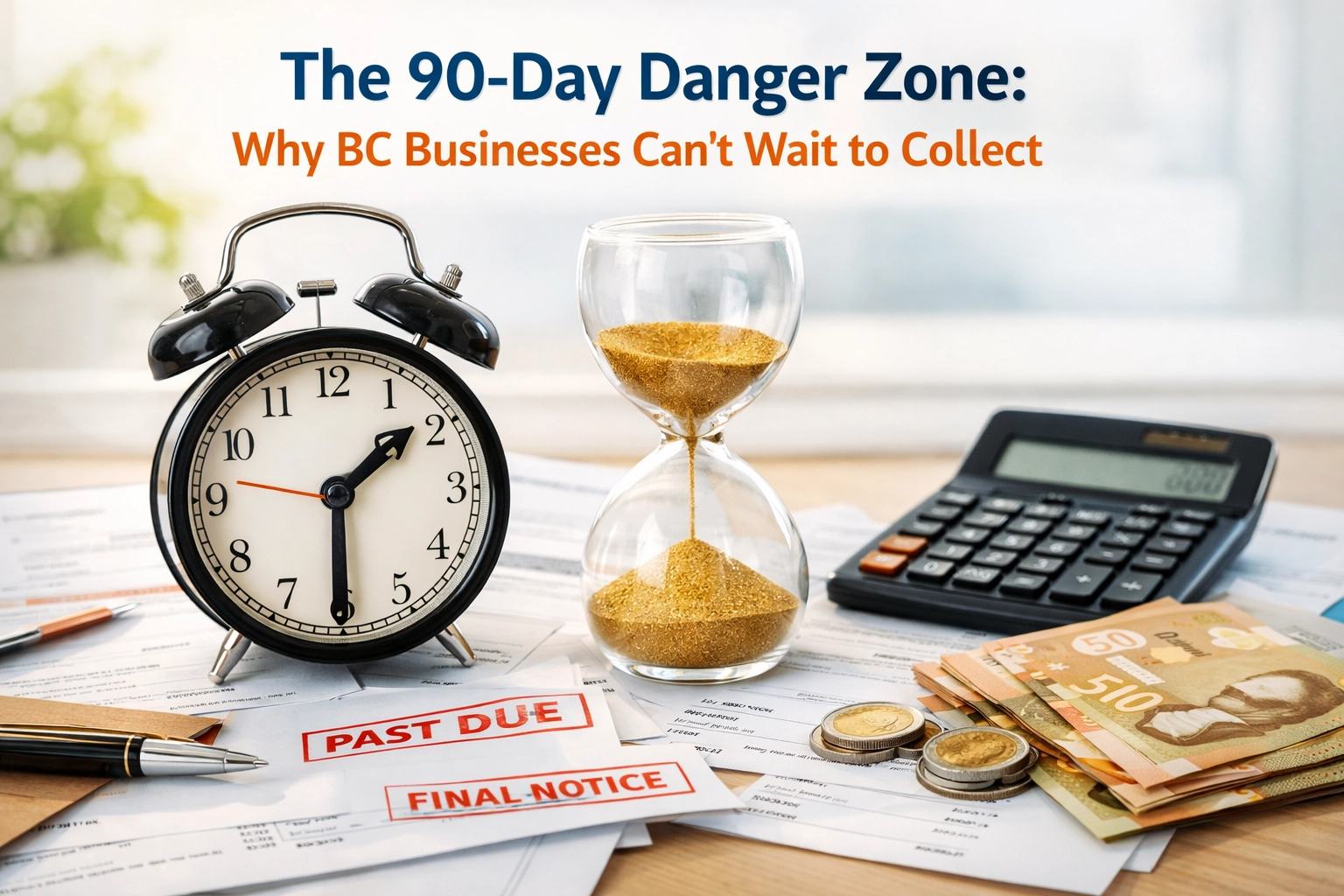
Statistics show that the longer a debt sits, the less likely it is to be collected. An invoice that is 90 days overdue has a much lower recovery rate than one that is 30 days overdue. Don't wait until the debtor has declared bankruptcy or moved to a remote island with no forwarding address.
Final Thoughts
You worked hard for your money. Don't let a "forgetful" client or a "creative" excuse-maker keep it from you. Whether you’re managing accounts from a high-rise in Vancouver or a home office in Kelowna, your cash flow is your lifeline.
If you're ready to stop the chasing and start the recovering, reach out to us at ICON Collection Solutions Inc. We handle the tough conversations so you can get back to doing what you love: running your business.
Contact us today and let's reclaim what's rightfully yours!
This content is for informational purposes only and does not constitute legal advice.

.jpeg)
.png)
.png)
.png)
.png)

%20(1).jpg)



























%20(1).jpg)

.jpg)


