
.png)
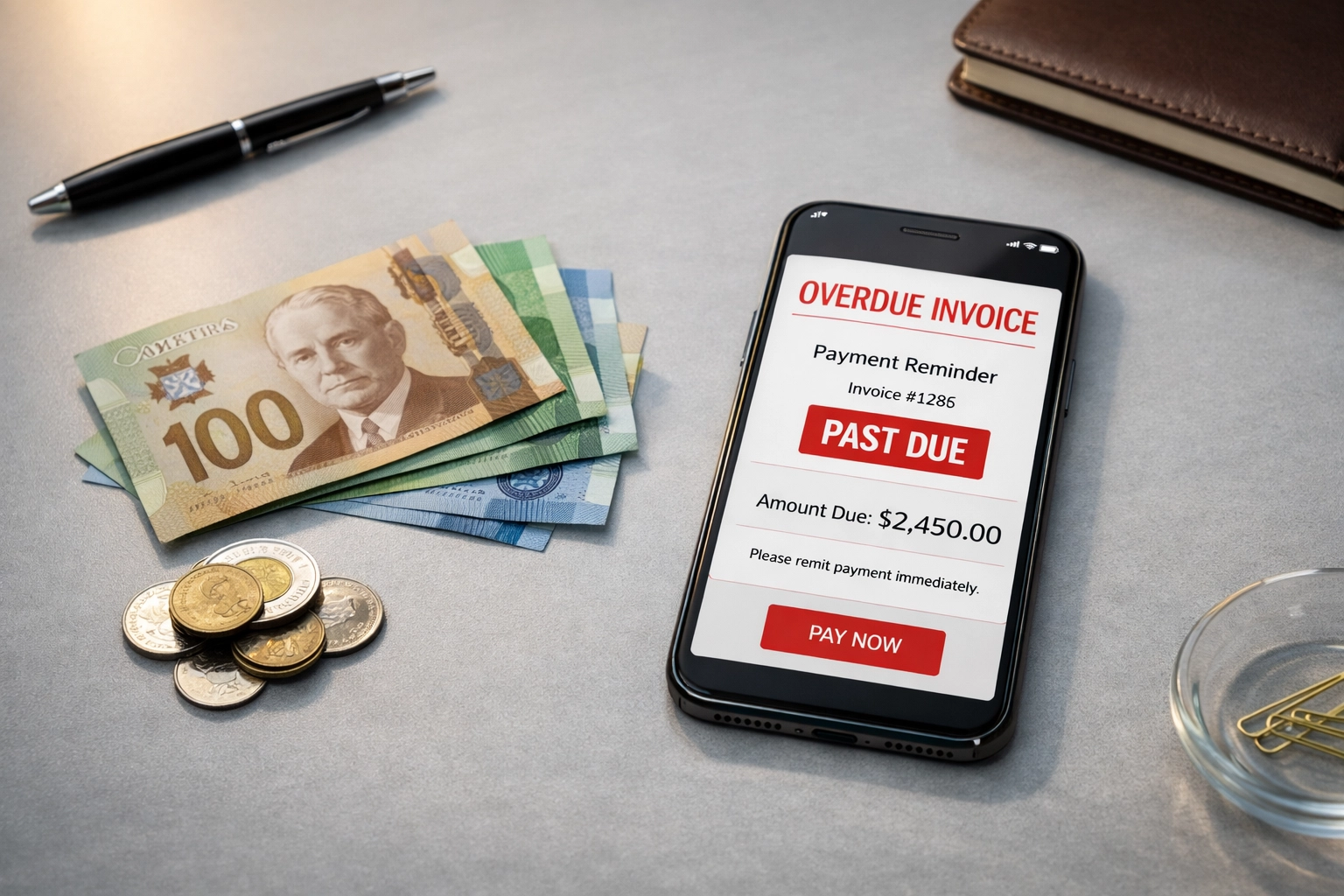
Let’s be honest: nobody starts a business because they’re excited about chasing people for money. Whether you’re running a tech startup in Surrey, a construction firm in Calgary, or a retail shop in Edmonton, you started your venture because you have a passion for what you do. But at some point, the "honeymoon phase" of a new contract ends, the invoice due date passes, and suddenly, you’re playing a high-stakes game of hide-and-seek with your own cash flow.
Welcome to Debt Collection 101. It’s not the most glamorous part of business, but it’s arguably the most vital. If you aren’t getting paid, you aren’t growing. In fact, you’re just providing a very expensive hobby for your "clients."
At ICON Collection Solutions Inc., we’ve seen it all, from the honest mistakes to the professional ghosters. Here is everything your business needs to know to navigate the world of debt recovery without losing your mind (or your professional reputation).
Commercial vs. Consumer Debt: Know the Difference
Before you pick up the phone, you need to know who you’re calling. In the world of collections, there’s a massive divide between Commercial (B2B) and Consumer (B2C) debt.
Commercial debt involves one business owing another. If your Alberta-based manufacturing company sold parts to a repair shop that hasn't paid, that’s commercial. Consumer debt is when an individual owes you, think of a person who hasn't paid their personal consulting bill.
Why does this matter? Because the rules are different. Consumer debt is heavily regulated by legislation like the Business Practices and Consumer Protection Act in British Columbia and the Consumer Protection Act in Alberta. These laws dictate when you can call, how often, and what you can say. Commercial debt, while still requiring professional conduct, offers a bit more flexibility. You have more room to negotiate and use different communication channels because, let’s face it, businesses are expected to have a higher level of financial literacy and accountability.
The "Creative" Excuses We Hear in Canada
We’ve been in this industry long enough to hear some truly legendary excuses. While most people are honest, some debtors should probably win a Gemini Award for their performances. Here are a few of our personal favorites:
- The "Digital Bermuda Triangle": "I sent the e-transfer, but my internet provider is currently migrating their servers to the moon, so it might take 48 hours to show up." (Spoiler: It never shows up.)
- The "Biological Hazard": "I would pay you, but my accountant’s cat accidentally ate the checkbook, and we’re waiting for... well, nature to take its course."
- The "Incognito Mode": "I didn't pay because I thought your invoice was a very realistic phishing scam. Your branding is just too professional!"
- The "Great Canadian Winter": "The mail truck got stuck in a snowbank outside Red Deer. It’s been there for three weeks. The mail is frozen."
While these might give you a chuckle (or a headache), they are usually signs that a debtor is stalling. Recognizing the difference between a legitimate cash flow issue and a "dog ate my homework" excuse is the first step to successful recovery.
Your In-House Recovery Strategy
Before you send an account to a professional agency, you’ll likely try to handle things in-house. This is fine for the first 30 to 60 days, but you need a process. You can't just send one email and hope for the best.
1. The Immediate Follow-Up
The moment an invoice is one day overdue, send a friendly reminder. It could be a simple "Hey, just making sure this didn't get lost in your inbox!" Sometimes, it really is just an oversight.
2. Pick Up the Phone
In an era of texting and Slack, people are terrified of the phone. Don't be. Research shows that telephone calls are the most effective in-house collection technique. It’s much harder for someone to ignore you when you’re a real person on the other end of the line. Be firm but polite. Ask if there was an issue with the service or if they need a brief payment plan. If you need tips on streamlining this, check out our guide on 3 simple ways to better manage accounts receivables.
3. The Formal Letter
If the calls aren't working, it’s time for a formal demand letter. This shouldn't be an angry rant. It should be a clear, concise document stating the amount owed, the original due date, and a final deadline before further action is taken. (Keep it professional: you don't want to end up in a legal battle over harassment!)
.png)
When to Call in the Experts (Like Us)
There is a point where "doing it yourself" actually costs you more money than hiring a pro. If an invoice hits the 90-day mark, the chances of collecting it yourself drop significantly. Every day that passes makes that money harder to see.
Hiring a debt collection agency isn't a sign of failure; it’s a smart business move. It allows your team to focus on making money while we focus on recovering it. At ICON Collection Solutions Inc., we’ve helped businesses recover significant sums: sometimes upwards of $50,000 in outstanding invoices: using a mix of experience and advanced tech.
Why hire an agency?
- The "Third-Party" Effect: When a debtor sees a letter from a collection agency, the "importance" of that debt suddenly skyrockets in their mind.
- Better Tech: We use AI and data analytics to find people who don't want to be found. (Read more on how AI is changing the game).
- Legal Protection: We know the laws in BC and Alberta inside and out, so you don't have to worry about accidentally breaking a regulation.
Prevention: Stopping the Bleed
The best way to handle debt collection is to not have to do it in the first place. This starts with your onboarding process.
- Credit Checks: Don't give out $20,000 worth of credit to a company that has a history of defaulting. It’s okay to ask for a deposit or payment upfront for new clients.
- Bulletproof Contracts: Ensure your contracts clearly state your payment terms (e.g., Net 30), late fee policies, and what happens if the account goes to collections.
- Know Your Region: If you're operating as a collection agency in Surrey, BC, or looking for the best collection agency in Alberta, understand the local business landscape. Western Canada has a unique economic pulse, and your collection strategy should reflect that.
The Bottom Line
Debt collection is about more than just getting a check; it's about maintaining the health of your business. If you’re too "nice" to ask for your money, you’re essentially giving your clients an interest-free loan while you struggle to pay your own staff.
Whether you’re dealing with a $500 invoice or a $50,000 dispute, the principles remain the same: document everything, communicate clearly, and don't wait too long to escalate.
Ready to reclaim what’s rightfully yours? Whether you need advice or a full-scale recovery team, ICON Collection Solutions Inc. is here to help businesses across Western Canada stay profitable. Check out our work to see how we’ve helped others, or contact us today to get your cash flow back on track.
Let's turn those "cat ate my checkbook" stories into "payment received" notifications! 🚀
This content is for informational purposes only and does not constitute legal advice.

.jpeg)
.png)
.png)
.png)

%20(1).jpg)
































%20(1).jpg)

.jpg)


