
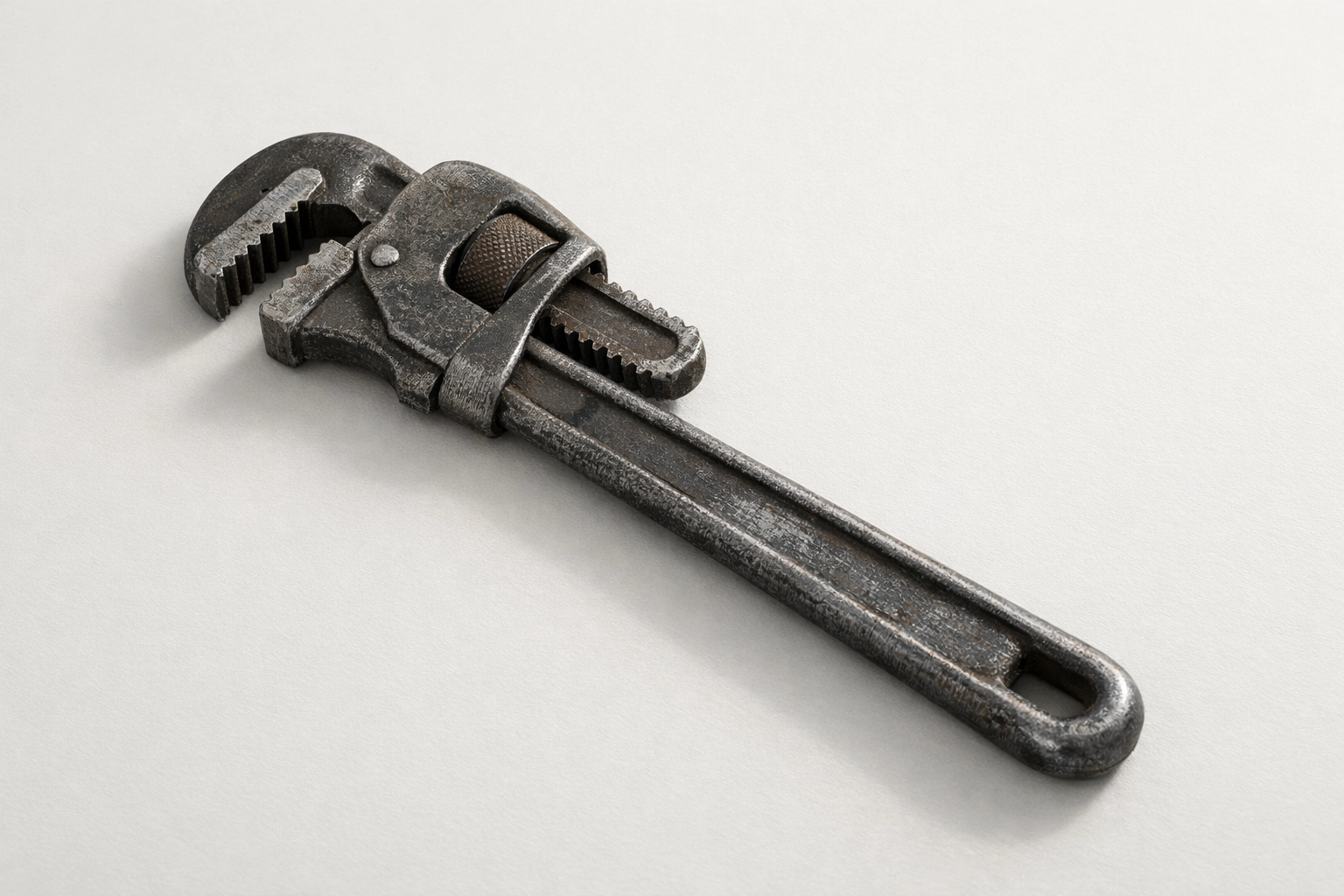
It’s 2:00 AM in Edmonton, the temperature has plummeted to a bone-chilling -35°C, and you’re standing in a flooded basement or staring at a cracked heat exchanger. You do the work, restore the comfort, and save the day. The customer is thrilled, until the invoice hits their inbox. Suddenly, that "hero" status evaporates, and you’re left chasing a $250 service fee like a bounty hunter in a high-vis vest.
In the plumbing and HVAC world, "getting paid" shouldn't be the hardest part of the job. You’ve got enough to deal with between fluctuating fuel prices, the shortage of skilled trades, and the sheer physical toll of the work. If you’re tired of your accounts receivable looking like a leaky pipe that just won’t quit dripping, this guide is for you.
The Psychology of the Service Call Fee
The biggest hurdle for many residential and commercial service providers is the initial service call or diagnostic fee. In 2026, the industry average for an HVAC service call ranges from $70 to $200. If it’s an emergency or after-hours call, you’re looking at $150 to $300 just to show up.
Why is this the hardest part to collect? Because once the furnace is humming or the toilet is flushing, the "emergency" is over. The value you provided feels lower to the customer after the problem is solved than it did when they were shivering in their living room.
To ensure you get paid, you need to anchor the value early:
- State the fee upfront: Never roll the diagnostic fee into a "surprise" at the end. State it clearly during the booking call.
- Explain what it covers: It’s not just "to show up." It covers the specialized tools in the van, the technician's expertise, the fuel (which isn't getting any cheaper in BC or Alberta), and the insurance that keeps the homeowner protected.
- Collect on-site: The most successful trades businesses in Canada have moved to a "payment due upon completion" model for residential service calls. If you leave the driveway without a cheque or a processed credit card, your chances of getting paid on time drop by about 40%.
Pricing Models: Flat-Rate vs. Time and Materials
There is an age-old debate in the Canadian trades: do you charge by the hour or by the job?
The Hourly Trap
Time and materials (T&M) pricing, typically $75 to $150 per hour plus parts, can actually penalize your most efficient technicians. If your lead tech fixes a complex boiler issue in 20 minutes because they’ve been doing this for 20 years, should you really only charge for 20 minutes of labor? The customer isn’t paying for the 20 minutes; they’re paying for the 20 years it took to learn how to do it in 20 minutes.
The Flat-Rate Advantage
Flat-rate pricing is becoming the gold standard for repeatable jobs like hot water tank replacements or AC tune-ups. It provides transparency. When a customer knows exactly what the bill will be before you even open your toolbox, the "sticker shock" is handled at the start, making the collection process significantly smoother.
If you're struggling to balance these, a 2-step debt repayment plan isn't just for debtors, it's a philosophy you can use to structure larger residential installs, requiring a deposit to cover materials followed by a final payment on completion.
The Hall of Fame of Creative Excuses
Working in debt collection at ICON Collection Solutions Inc., we’ve heard it all. But plumbing and HVAC contractors seem to get a special brand of "creative" reasons for non-payment. Here are some of our favorites (and by favorites, we mean the ones that make us roll our eyes into the next province):
- "The ghost did it": We once heard a homeowner claim they didn't authorize the repair because their "house spirit" was the one who actually called the dispatcher. (Spoiler: The ghost didn't pay the bill either).
- "It was working fine until you touched it": This usually applies to a furnace that was held together by duct tape and prayers for fifteen years. You fixed the blower motor, and now they want you to replace the entire venting system for free because you "disturbed the equilibrium."
- "My spouse handles the finances, and they're currently on a silent meditation retreat in the Kootenays": Ah, the classic "I’m unreachable" play.
- "I thought the $150 was just a suggestion": Believe it or not, some people view invoices like a Yelp review: something they can choose to engage with if they feel like it.
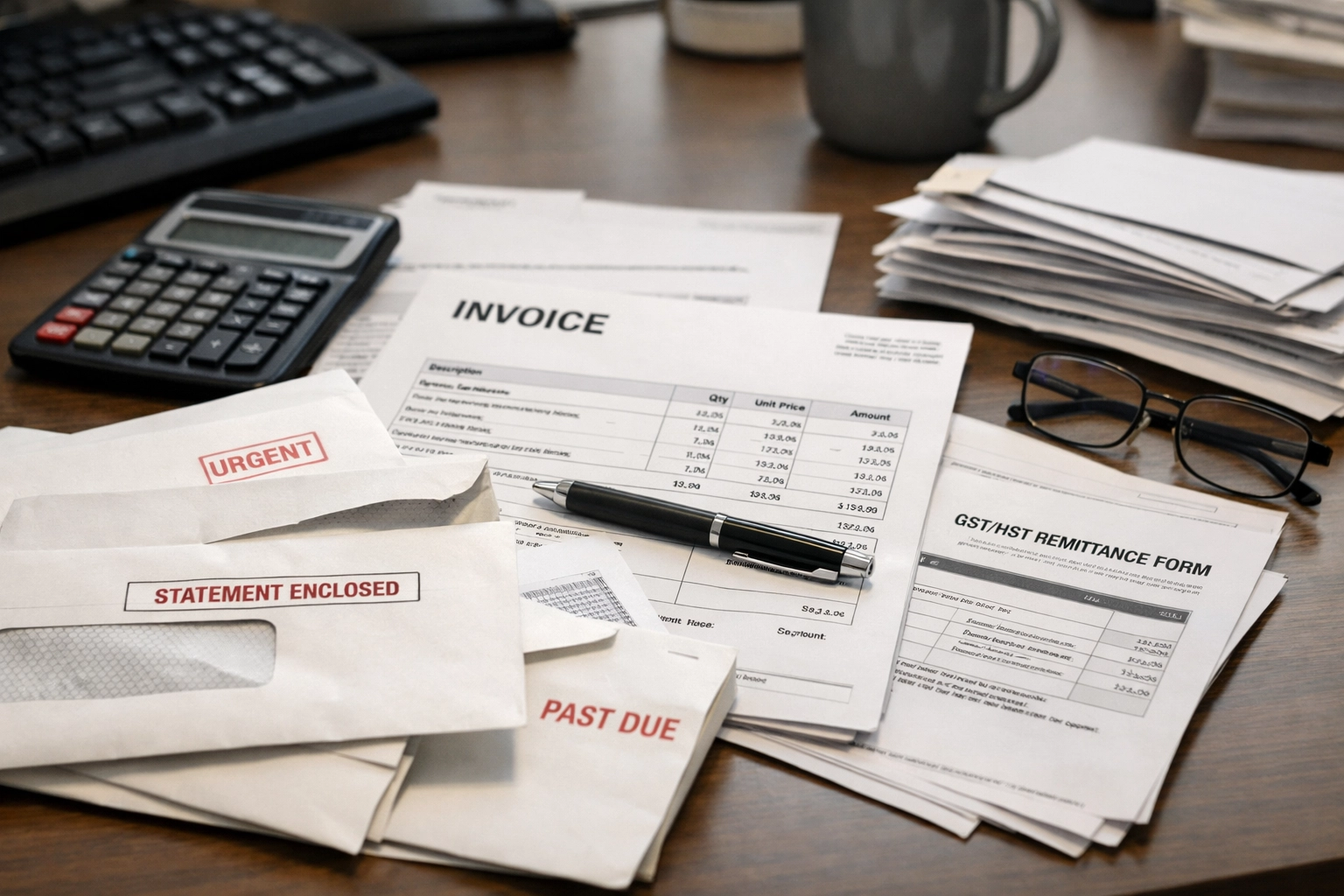
While these are funny in hindsight, they aren't funny when you have a payroll to meet on Friday. To stay on top of these, you need to implement 3 simple ways to better manage accounts receivables.
Protecting Yourself: The Paper Trail
In British Columbia and Alberta, the "handshake deal" is a recipe for a headache. To legally protect your right to collect, you need a digital or physical paper trail that includes:
- Signed Work Orders: Before a single wrench is turned, get a signature authorizing the diagnostic fee.
- Photos of the Before and After: Especially in HVAC, showing a cracked heat exchanger or a corroded pipe via a digital photo sent with the invoice makes it very hard for a customer to claim the work wasn't necessary.
- Clear Terms and Conditions: Your invoices should clearly state that "Interest of X% applies to all invoices over 30 days." Even if you never charge the interest, it gives you leverage.
If you’re operating as a collection agency in Surrey, BC or dealing with commercial clients in Calgary, the documentation is your strongest weapon. Without it, a debtor can claim the work was faulty or unauthorized, stalling your cash flow for months.
When to Call in the Pros
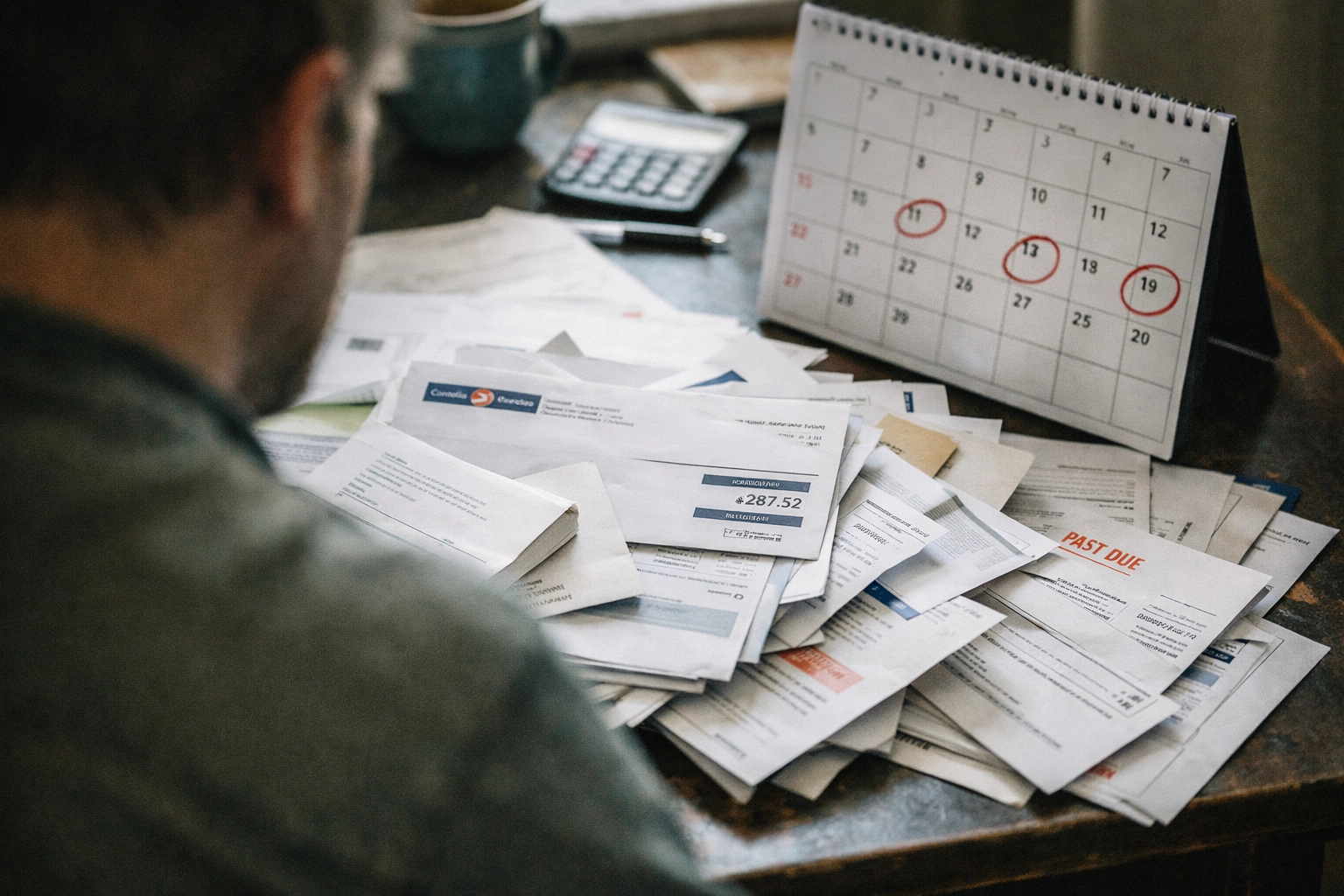
You’re a plumber, not a private investigator. If you find yourself spending more than four hours a week chasing old invoices, you are losing money. Your time is better spent on billable service calls than arguing with Mr. Smith about why he owes you for a Saturday night emergency call.
At ICON, we see many tradespeople wait too long. They wait 120 or 180 days, hoping the "silent meditation retreat" will end. By that time, the debtor may have moved, filed for bankruptcy, or simply forgotten why the service was important in the first place.
The "Rule of Three":
- 3 days late: A friendly "did you forget us?" email.
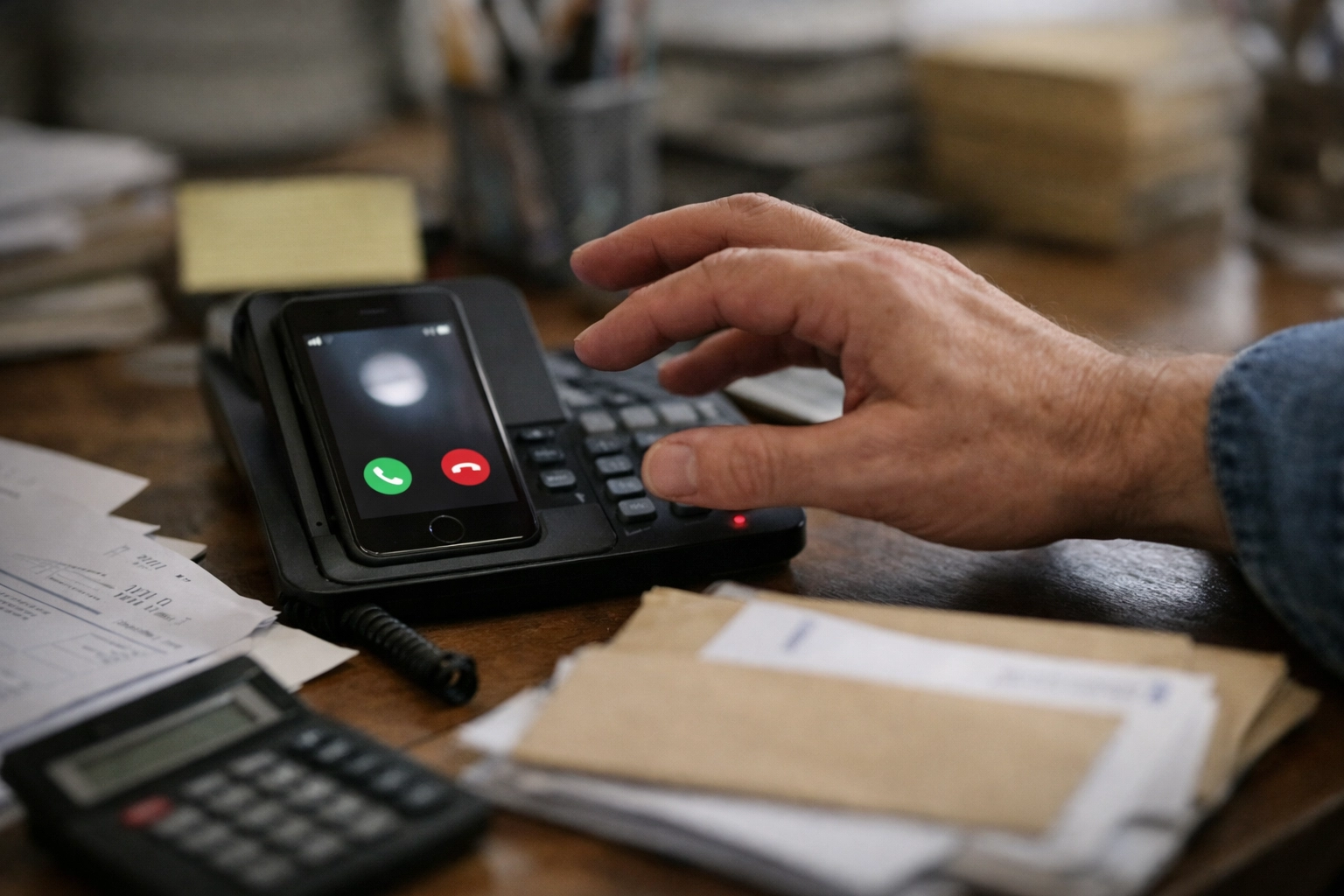
- 15 days late: A phone call (human to human).
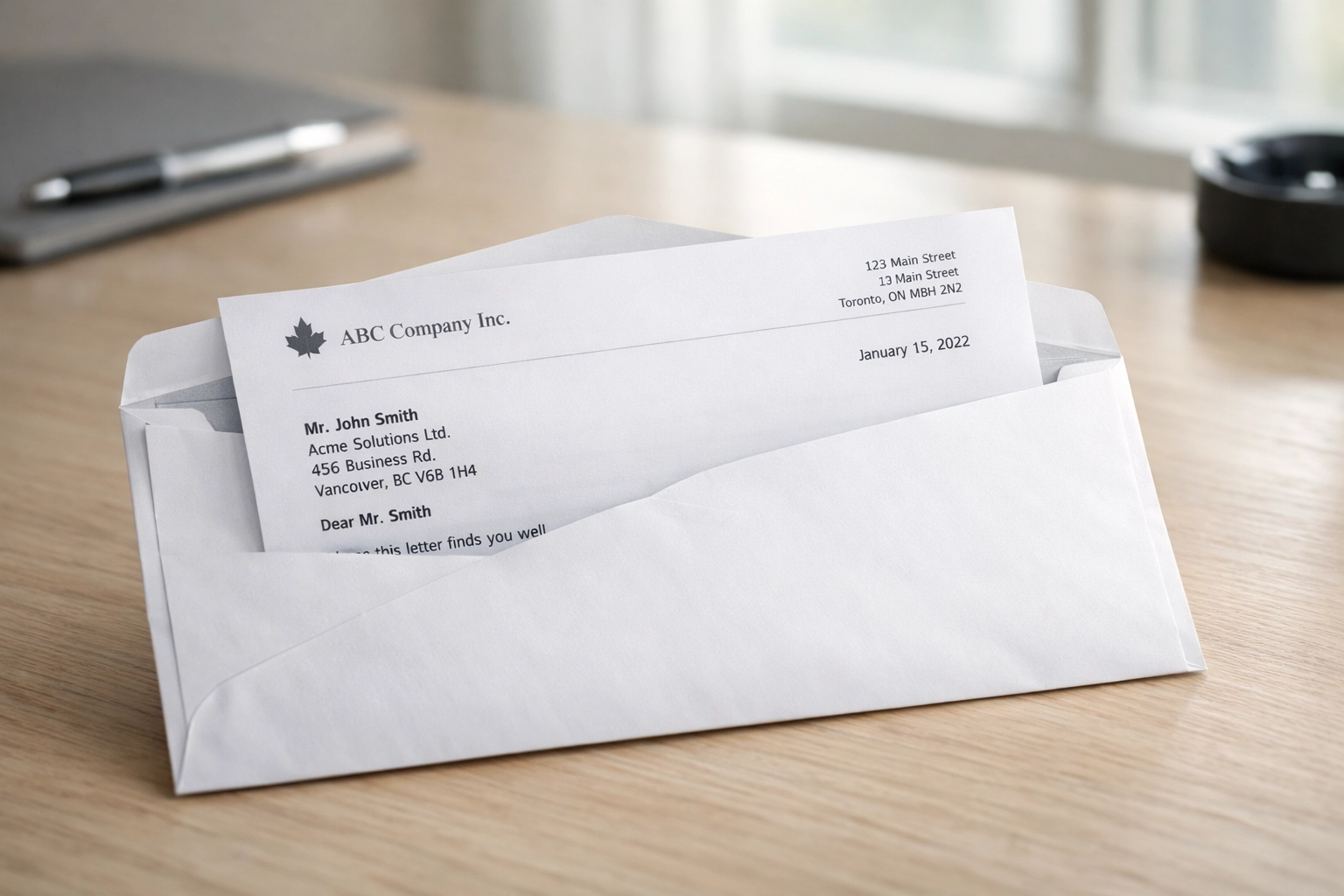
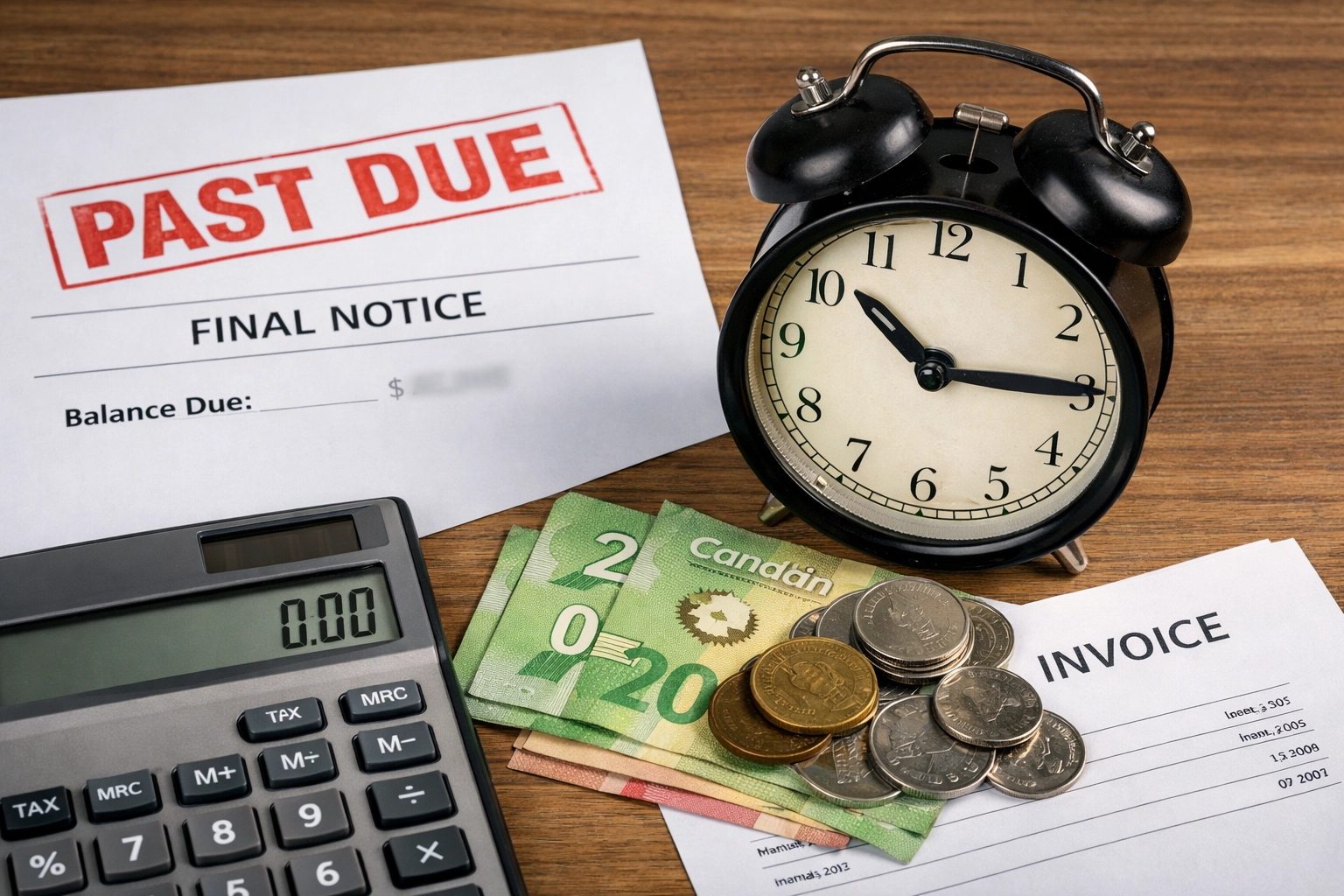
- 30 days late: A final notice with a firm deadline.
If the 30-day mark passes and you’re still getting the cold shoulder, it’s time to look for the best collection agency in Alberta or BC. Professional agencies like ICON handle the "uncomfortable" conversations so you can maintain your professional reputation while still getting your cash.
Regional Specifics: BC vs. Alberta
While both provinces have similar debt collection laws, there are nuances in how you can approach recovery. In Alberta, for instance, commercial collections can be aggressive if you have a solid contract. In BC, the Business Practices and Consumer Protection Act is very strict about how and when you can contact residential debtors.
For those doing large-scale commercial HVAC or plumbing work in major hubs, it’s worth checking out our specialized services for collections in Calgary or looking into the top commercial collection agency in Edmonton. The legal landscape is different when you're dealing with a general contractor who hasn't paid your sub-contractor invoice versus a homeowner who is dodging a $300 bill.
Final Thoughts: Keep the Water Running (and the Cash Flowing)
You provide an essential service. Without you, the province grinds to a halt. You deserve to be paid for your expertise, your late nights, and your tool kit. By setting clear expectations, using flat-rate pricing where it makes sense, and not being afraid to outsource your collections when things get hairy, you can ensure your business remains as healthy as the systems you maintain.
Don't let unpaid invoices become the clog in your business’s pipes. If you’re sitting on a stack of unpaid service calls, contact us today and let’s reclaim what’s rightfully yours. Whether you’re in the heart of Vancouver or the outskirts of Red Deer, we’ve got your back.
This content is for informational purposes only and does not constitute legal advice.





.jpeg)
.png)
.png)
.png)
.png)

%20(1).jpg)





















%20(1).jpg)

.jpg)


