
You’ve done the work. You delivered the freight, finished the renovation, or provided the consulting services. Now, instead of a deposit notification, you’re getting radio silence. Or worse, you’re getting the "check is in the mail" speech for the third week in a row.
As a small business owner in British Columbia or Alberta, you have two main weapons in your arsenal to recover that cash: Small Claims Court or a Professional Collection Agency like ICON Collection Solutions Inc..
But which one should you choose? Is it better to put on your "Law & Order" suit and head to the courthouse, or should you hand the file over to the pros? Let’s break down the pros, the cons, and the flat-out weird excuses you’ll hear along the way.
The Legal Route: Small Claims Court
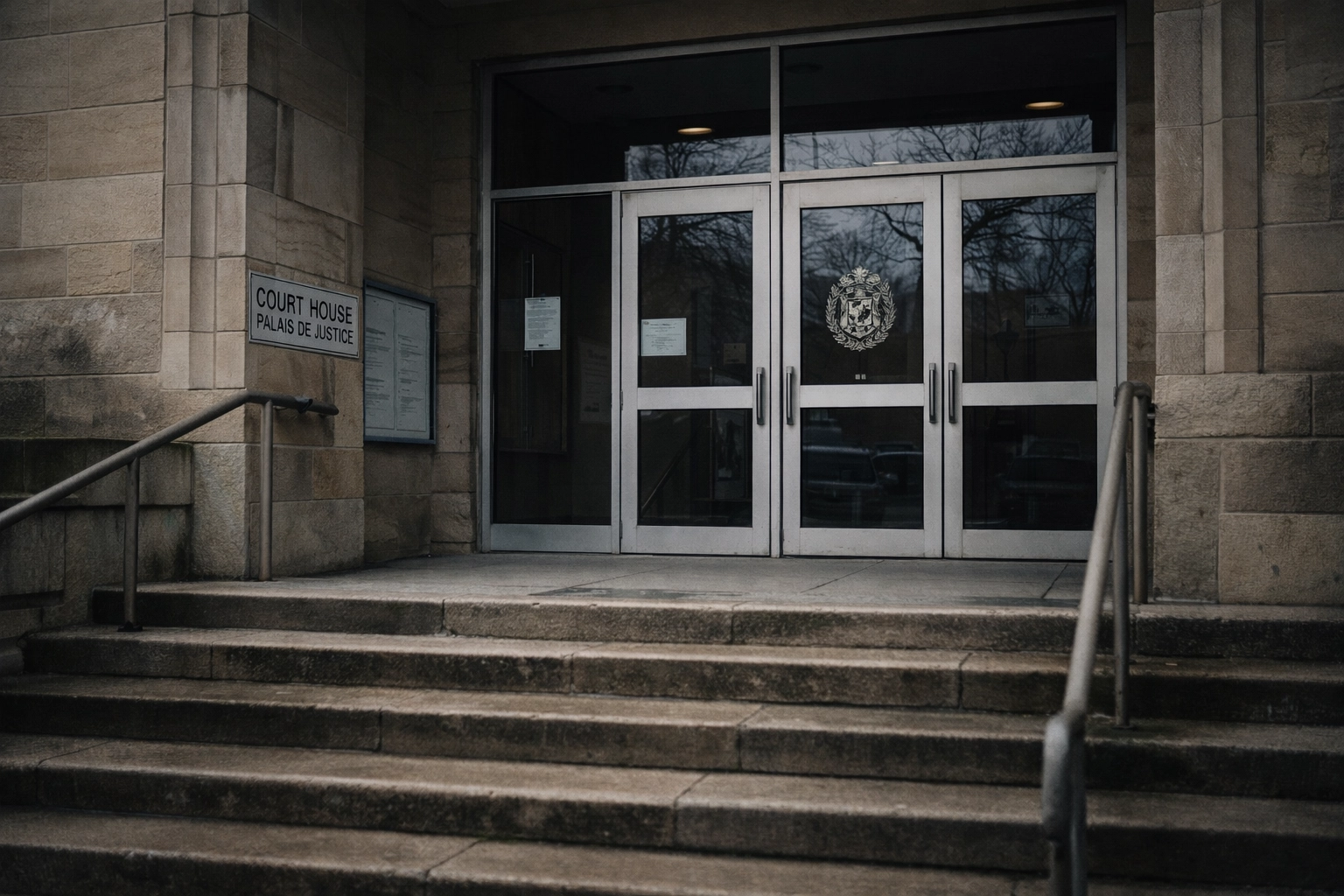
Small claims court is designed for people to represent themselves without the massive expense of a high-powered lawyer. In British Columbia, the Civil Resolution Tribunal (CRT) handles claims up to $5,000, while the Provincial Court handles claims from $5,001 to $35,000. Over in Alberta, the Alberta Court of Justice recently raised its limit to a whopping $100,000, making it a powerful tool for B2B disputes.
The Pros of Going to Court
- A Binding Judgment: A judge’s order is official. It proves, legally, that the debtor owes you the money.
- Authority: Some debtors only take things seriously when they see a court summons. It’s the ultimate "I’m not playing around" move.
- Discovery: The court process can force a debtor to disclose assets, which is helpful if they are hiding money in a "secret" account (or their kid’s piggy bank).
The Cons of the DIY Legal Path
- The Upfront Cost: You have to pay to play. Between filing fees, process server fees to get the debtor served, and potential title search fees, you’re out of pocket before you even see a dime.
- The Time Suck: Expect to wait 4 to 9 months: sometimes longer: to get a hearing. If you’re running a business, do you really have three days to spend sitting in a hallway waiting for your name to be called?
- The "Judgment" Trap: This is the big one. A judgment is just a piece of paper. The court does not collect the money for you. If the debtor still refuses to pay, you have to go back to court to get a garnishment order or hire a bailiff to seize assets. It’s like winning a marathon only to find out there’s a second marathon immediately following it.
The Collection Agency Route: The Negotiation Ninjas
A collection agency focuses on one thing: getting your money back through negotiation, persistence, and specialized tools. Agencies like ICON Collection Solutions use a mix of skip-tracing, credit reporting, and psychological leverage to move your invoice to the top of the debtor’s "must-pay" list.
Why Businesses Choose Agencies
- No Collection, No Fee: Most reputable agencies work on a contingency basis (typically 20-50%). This means you don’t pay a cent unless they recover money. It’s zero-risk for your cash flow.
- Speed: While the court system moves at the speed of a tired turtle, an agency starts the moment you hand over the file. Calls are made, letters are sent, and credit bureaus are notified within days.
- Relationship Preservation: Believe it or not, a professional agency can often recover money while keeping the bridge unburnt. We act as the "bad guy" so you can remain the "good guy" if you ever want to work with that client again (though, honestly, why would you?).
- Expertise in Excuses: We’ve heard them all. "My goldfish died and I had to pay for a tiny casket," or "Our accountant is currently on a silent retreat in the mountains." We know how to navigate these stalls.
When an Agency Might Not Be Enough
- Disputed Debts: If the customer claims you never did the work or the product was faulty, a collection agency’s hands may be tied. Agencies are best for "liquidated" debts: where the amount is clear and the work was performed. If it’s a "he-said, she-said" legal battle, you might need a judge to weigh in.
Comparing the Costs: Upfront vs. Contingency
Let’s talk numbers. Suppose you’re chasing a $5,000 debt.
In Court: You might pay $156 for a filing fee in BC, plus $100 for a process server. Total: $256 out of pocket. If you win and they still don't pay? Another $100 for a garnishment order. You’re $350+ down and still have $0 in your pocket.
With ICON: You pay $0 upfront. If we collect the full $5,000 at a 25% rate, you get $3,750 back in your bank account with zero effort on your part. You spent that extra time growing your business or finally hitting the driving range. For many, hiring a debt collection agency is simply the more logical business move.
The "Funny" Excuses (And How We Handle Them)
Part of the reason why small business owners hate collecting debt is the sheer absurdity of the excuses. Over our years serving Calgary, Edmonton, and Surrey, we’ve heard some classics:
- "I thought this was a free trial." (Sir, you signed a 12-month contract and we’ve been at your office for a year).
- "My dog ate the invoice." (Classic. We’ll email you a PDF right now so your dog can have a digital snack).
- "I’m waiting for my inheritance from a long-lost uncle in Switzerland." (We’ll wait with you... but we’ll still be calling next Tuesday).
- "I don't speak English." (Funny, because you spoke it perfectly when you were negotiating the discount 3 months ago).
While these are funny in hindsight, they are incredibly frustrating when your mortgage is due. A collection agency is trained to see through the "stall" and get to the "settlement."
Regional Nuances: BC vs. Alberta
If you are a business owner in Western Canada, geography matters.
- British Columbia: The Limitation Act generally gives you two years from the date the debt was acknowledged or the last payment was made to take legal action. The CRT is your friend for small amounts, but it requires a lot of "homework" from you.
- Alberta: Alberta also follows a two-year limitation period for most debt claims. However, the higher limit for the Court of Justice means you can sue for much larger B2B debts without needing to go to the Court of King’s Bench (which is much more expensive).
Regardless of where you are, managing your accounts receivable better starts with having a clear process for when to escalate.
The Decision Matrix: Which One Should You Choose?
Still undecided? Use this quick checklist:
Choose Small Claims Court if:
- The debtor claims they don't owe you anything (a dispute).
- You have mountains of evidence and love doing paperwork.
- The debt is very close to the limitation period and you need to "stop the clock" with a lawsuit.
Choose ICON Collection Solutions if:
- The debtor acknowledges the debt but just won't pay.
- You want a "No Recovery, No Fee" guarantee.
- You’ve got a business to run and don't want to spend your Tuesdays at the courthouse.
- You want to leverage our AI and automation tools to find and recover funds faster.
Success Stories: The Power of Professional Recovery
We’ve seen it all. In one case, our agency helped a business recover $50,000 in outstanding invoices that the owner had basically written off as "dead money." By applying consistent pressure and professional negotiation, we turned a "hopeless" situation into a significant cash injection for their business.
Final Thoughts
At the end of the day, your time is your most valuable asset. While you can navigate the legal system yourself, it’s often a secondary headache you just don’t need. Whether you are looking for the best collection agency in Alberta or a reliable partner in BC, ICON is here to take the weight off your shoulders.
Don't let your hard-earned money sit in someone else’s bank account. Contact us today and let's reclaim what's rightfully yours!
This content is for informational purposes only and does not constitute legal advice.






.jpeg)
.png)
.png)
.png)
.png)

%20(1).jpg)



























%20(1).jpg)

.jpg)


