
.png)
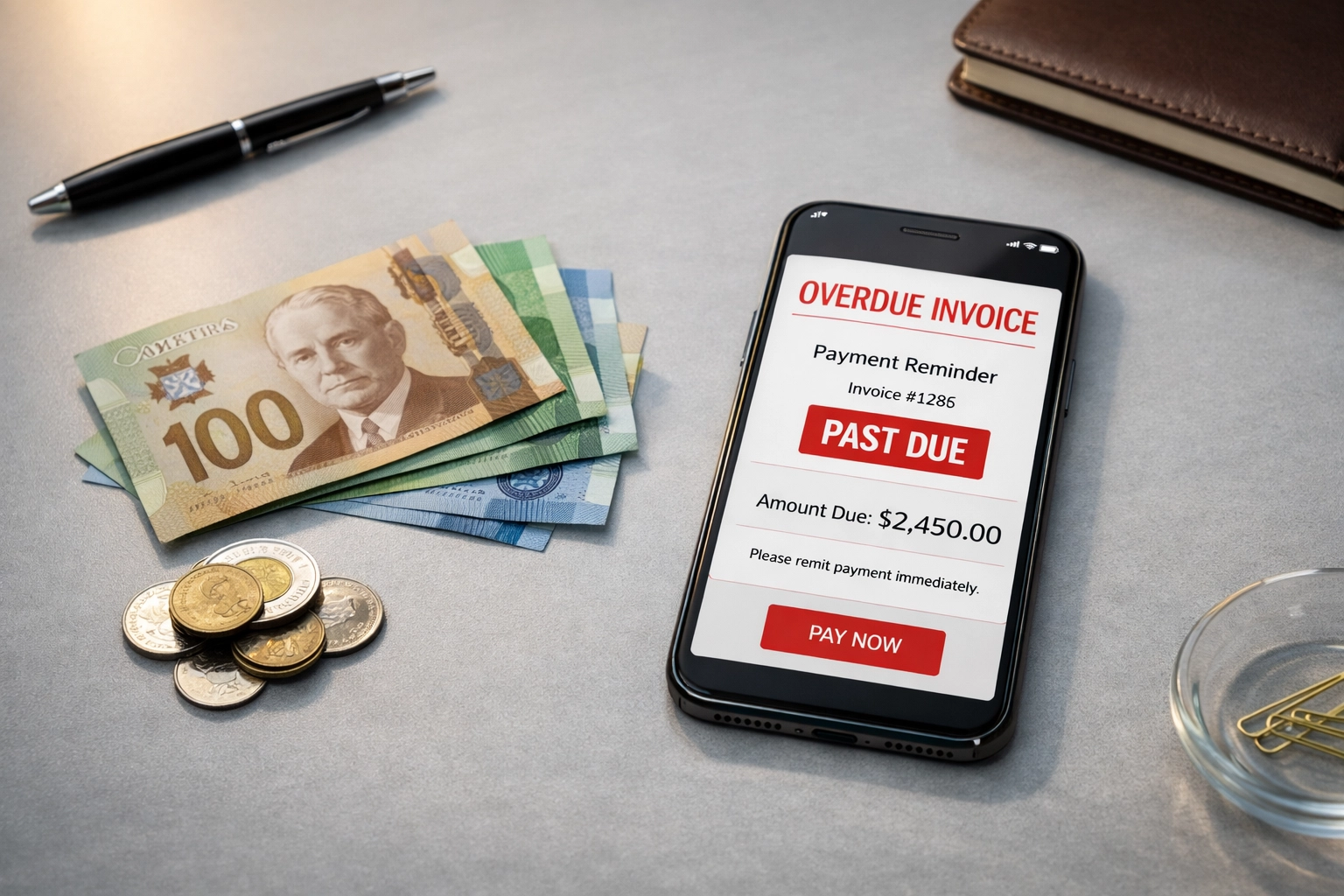
Let’s be real for a second: running a business is hard enough without having to play private investigator to find out where your money went. Whether you’re operating out of a sleek office in Surrey or a bustling storefront in Calgary, seeing that "Overdue" stamp on your accounts receivable is enough to make anyone’s blood pressure spike.
Cash flow is the lifeblood of your company. When clients don't pay on time, it’s not just an inconvenience, it’s a direct threat to your ability to pay your own team, invest in new gear, or finally take that weekend off you’ve been dreaming about since 2022.
But here’s the good news: mastering credit collection isn't about being the "bad guy." It’s about professional systems, clear boundaries, and knowing exactly when to step up the pressure. At ICON Collection Solutions Inc., we’ve seen it all, and we’re here to help you turn those "I'll pay you next week" promises into actual bank deposits.
The Art of Prevention: Stop the Bleeding Before It Starts
The easiest debt to collect is the one that never becomes overdue in the first place. Think of this as the "preventative medicine" of the financial world. If you set the ground rules early, you’re much less likely to end up chasing people down later.
1. Iron-Clad Contracts
Don’t rely on a handshake or a vague email thread. Every transaction needs a written contract that spells out:
- Payment terms: Is it Net 30? Due on receipt? Be crystal clear.
- Late fees: If there’s no penalty for being late, some clients will treat you like an interest-free loan (and nobody wants to be a bank for free).
- Consequences: Mention that accounts may be referred to a collection agency if they go past 90 days.
2. The Power of the Credit Check
If a new client wants $20,000 worth of work on credit, you have every right to check their history. Tools like Dun & Bradstreet or simple credit reports can tell you if they have a habit of stiffing their partners. It’s better to say "no" to a risky client than to do a month of work for $0.
3. Deposits are Your Best Friend
For larger projects, always ask for a deposit (usually 25% to 50%). It covers your initial costs and ensures the client has some "skin in the game." If they balk at a deposit, that’s a massive red flag that they might struggle with the final bill.
.png)
Dealing with the "Wall of Excuses" (The Fun Part)
If you’ve been in business long enough, you’ve heard them all. Some people are genuinely struggling, but others have turned excuse-making into an Olympic sport. Here are a few of our personal favorites from the field:
- The "Invisibly Mailed" Check: "Oh, I definitely put that in the mail last Tuesday. The Canadian post must be having a rough week with the snow." (Classic.)
- The Accountant Sabbatical: "My accountant is currently on a silent retreat in the Rockies and won't be back at a computer for another 14 days." 🧘♂️
- The Technology Gremlin: "Our server actually melted yesterday, and your invoice was the only file we lost. Can you resend it for the fifth time?"
- The "Unexpected" Holiday: "I forgot that Tuesday was a holiday in my head, so I didn't process any payments."
While these might make you chuckle (or roll your eyes), the key is to stay professional. Acknowledge the "melting server," resend the invoice immediately while they are still on the phone, and ask for a specific time you can expect the e-transfer.
Developing a Strategy That Actually Works
You can't just wing it when it comes to collections. You need a repeatable process so you aren't wasting hours every week deciding who to call.
Segment Your Customers
Not all debtors are created equal. Use analytical models to group them:
- Low Risk: Usually pay on time but forgot once. A friendly email reminder usually does the trick.
- Medium Risk: Often 15 days late. These need a phone call and a firmer tone.
- High Risk: Habitual non-payers or those who have gone silent. These are the ones where you need to consider a 2-step debt repayment plan or professional intervention.
Persistence is the Secret Sauce
A single email is easy to ignore. A single voicemail is easy to delete. But a consistent cadence of communication? That’s hard to overlook. We recommend a "Touchpoint Timeline":
- Day 1 Overdue: Friendly "oops" email.
- Day 15 Overdue: Professional follow-up phone call.
- Day 30 Overdue: Formal letter and a second call.
- Day 60 Overdue: Final demand notice stating the intent to move to a collection agency.

Instruction: A wide-angle, realistic photo of a modern, bright office space in downtown Calgary or Vancouver. People are working productively at desks with computers, representing a professional and organized business environment.
Know the Rules: BC and Alberta Edition 🇨🇦
In Canada, and specifically in Western Canada, we have strict rules about how debt can be collected. You can’t just show up at someone’s house at midnight or call them 50 times a day (unless you want a massive lawsuit on your hands).
In British Columbia, we follow the Business Practices and Consumer Protection Act. In Alberta, it’s the Consumer Protection Act. These laws outline:
- When you can call: Usually between 7:00 AM and 9:00 PM (so you’re not calling at dinner time).
- Who you can talk to: You generally can't discuss the debt with their neighbors or employer.
- Frequency: There are limits on how many times you can contact a debtor in a single week.
Staying compliant isn't just about avoiding fines; it’s about maintaining your brand’s reputation. Even when someone owes you money, you want to remain the "bigger person." Check out how we handle collections in Calgary for an idea of how local expertise makes a difference.
When Should You Stop Trying and Call ICON?
We often see business owners spend months: sometimes even a year: chasing a single invoice. By the time they call us, they are exhausted, angry, and the chances of recovery have dropped. (Statistically, the longer a debt sits, the harder it is to collect!)
You should consider professional help if:
- The "Ghosting" has begun: They’ve stopped returning calls and emails entirely.
- The debt is over 90 days old: This is the "danger zone" where recovery rates start to plummet.
- The amount is significant: If it’s a $50,000 outstanding invoice, you shouldn't be handling it off the side of your desk.
- They are giving you the run-around: If you’ve heard three different "the dog ate my check" stories, it’s time to move on.
Hiring a top commercial collection agency in Edmonton or Surrey allows you to get back to what you actually enjoy: growing your business: while we handle the heavy lifting.
Leveraging Technology for Better Results
The days of paper ledgers are long gone (or they should be!). Modern A/R management software can automate your reminders, track who has opened your emails, and centralize all your communication.
By using AI and automation in debt collection, you can remove the "emotional" burden of asking for money. The system sends the reminder, not you. This keeps the relationship with your client focused on the work, while the software handles the "where’s my money?" part.
Final Thoughts: You Earned That Money
At the end of the day, Mastering Credit Collection is about self-respect. You provided a service, you delivered value, and you fulfilled your end of the bargain. You deserve to be paid for that.
Whether you’re refining your internal 3 focus areas for your small business or looking for a partner to help recover lost funds, remember that consistency is key. Don't be afraid to be firm, stay professional, and know when to bring in the experts.
Ready to clear up those outstanding invoices and get your cash flow back on track? Contact ICON Collection Solutions Inc. today. Let’s stop the excuses and start the recovery process. Our team is ready to help you reclaim what’s rightfully yours! 🤝
Learn more about our work and how we can help your business thrive.
Disclaimer: This content is for informational purposes only and does not constitute legal advice.

.jpeg)
.png)
.png)
.png)

%20(1).jpg)

































%20(1).jpg)

.jpg)


