
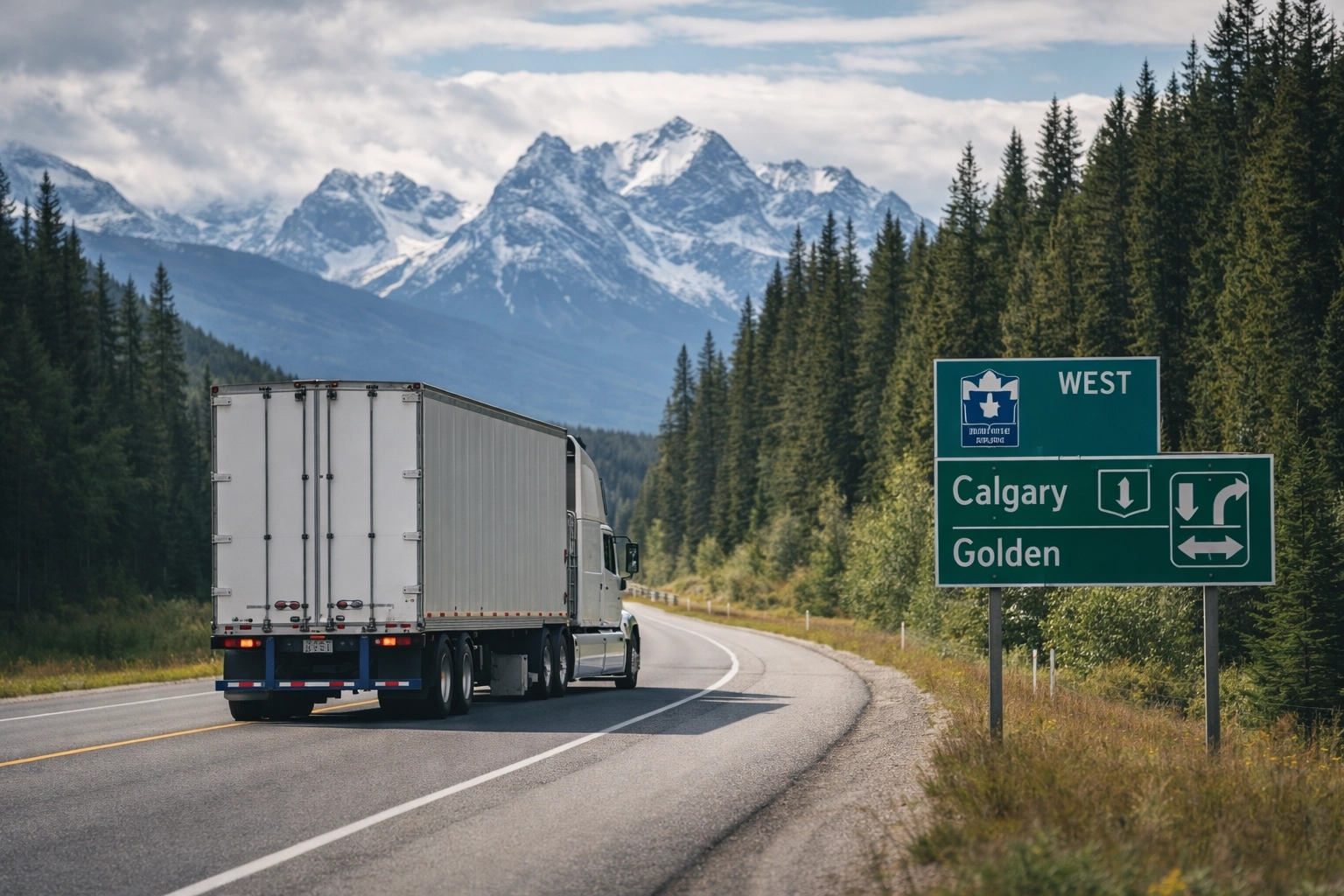
If you’re running a trucking outfit in Western Canada, you know the drill. You’ve spent the week navigating the white-knuckle turns of the Coquihalla or hauling heavy equipment through the muddy backroads of Northern Alberta. Your drivers are tired, your rigs need maintenance, and your fuel bill looks like a phone number from a foreign country.
The last thing you need is a broker or a shipper ghosting you when it’s time to pay the invoice.
In the logistics world, cash flow isn’t just a metric; it’s the literal fuel that keeps your fleet moving. When those "Net 30" terms start stretching into "Net 60" or "Net Whenever I Feel Like It," your business is the one taking the hit. At ICON Collection Solutions Inc., we see it every day. Whether you’re based in the bustling hubs of Surrey, BC or managing a fleet out of Calgary, recovering unpaid freight invoices requires a mix of grit, documentation, and sometimes, a professional nudge.
The Western Canadian Logistics Reality
Operating in BC and Alberta presents unique challenges. We aren't just moving boxes; we’re moving the economy. From forestry products coming out of Prince George to oilfield equipment heading to Fort McMurray, the stakes are high.
However, the industry is also rife with complexities that debtors love to use as excuses. Fuel surcharges fluctuate faster than the weather in the Rockies, and a three-hour delay at a loading dock in Edmonton can lead to a "disputed" invoice that sits on a desk for months.
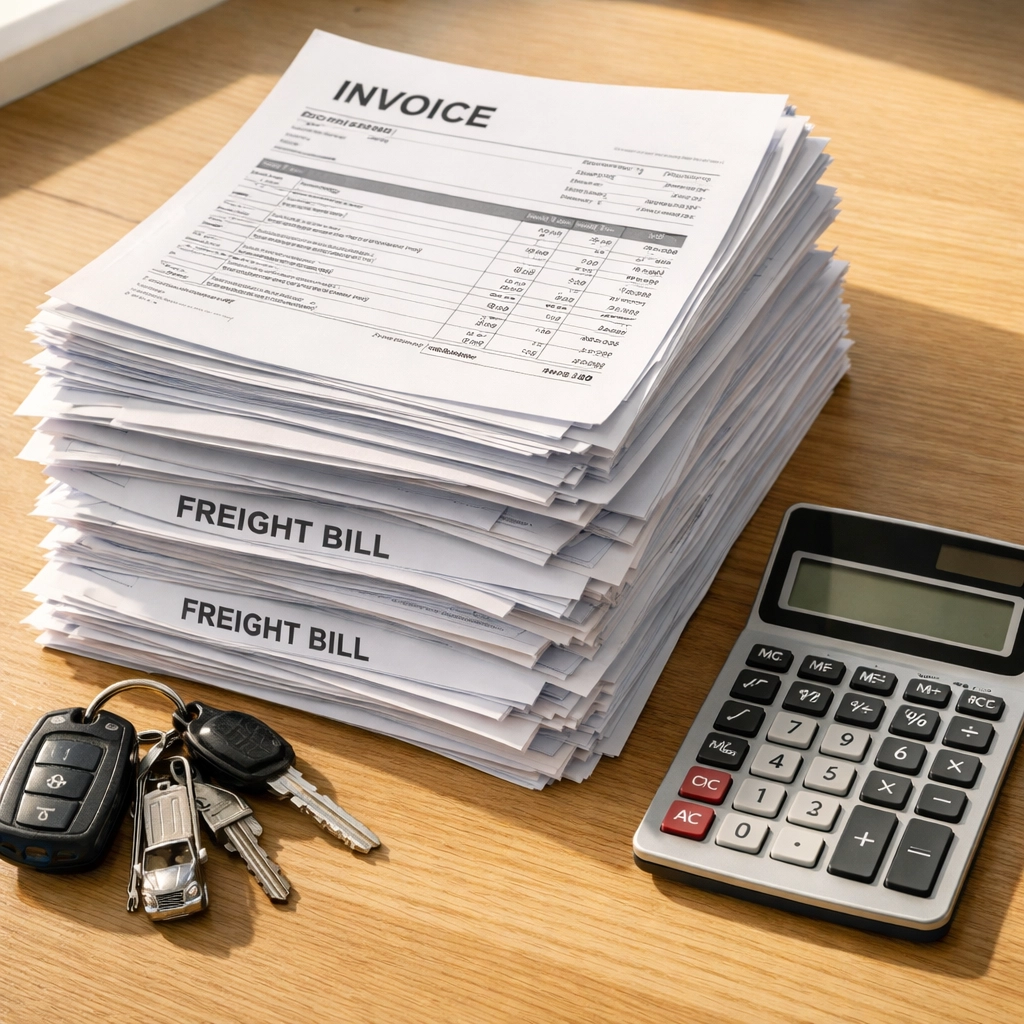
The "Creative" Side of Debt: Funny Excuses We’ve Heard
Before we get into the heavy lifting of recovery, let’s take a moment to appreciate the sheer creativity of some debtors. Over the years, we’ve heard it all. If you’ve been in the game long enough, you’ve probably heard these gems too:
- "The check is in the mail, but the mail truck got stuck in a snowdrift." (The irony of a logistics company using a logistics failure as an excuse is never lost on us.)
- "Our accountant is currently on a silent meditation retreat in the Kootenays and can't be reached." (Apparently, silence is golden, but paying your bills is not.)
- "My dog didn't eat the homework; he ate the Bill of Lading." (Standard procedure: ask for a photo of the dog looking guilty.)
- "We’re waiting for our own customers to pay us so we can pay you." (Ah, the classic 'Ponzi scheme' of accounts receivable.)
While these might give us a chuckle at the office, they don't help you pay for that $2,000 tire replacement. 🚛
Why Freight Invoices Get Stuck in Neutral
In the trucking industry, a "simple" unpaid invoice is rarely simple. There are several industry-specific friction points that cause delays:
- Fuel Surcharge Disputes: If your rate confirmation wasn't crystal clear about the surcharge at the time of dispatch, shippers might try to "re-negotiate" after the delivery is done.
- Accessorial Charges: Wait time, lumper fees, and detention charges are the biggest pain points. If you don't have a signed timesheet, debtors will fight these tooth and nail.
- Missing Paperwork: No POD (Proof of Delivery)? No pay. It sounds harsh, but in a digital age, missing a single signature can stall a $10,000 payment.
- Broker Bonds: Sometimes the broker you worked with simply disappears. Knowing how to file a claim against a BMC-84 bond is a specialized skill that many small carriers don't have time to master.
The 30-60-90 Rule: When to Call for Backup
Timing is everything. In debt collection, the "shelf life" of a debt is shorter than you think.
- 1-30 Days: This is the "polite reminder" phase. Most issues here are just administrative errors. A quick call or a formal reminder letter usually does the trick.
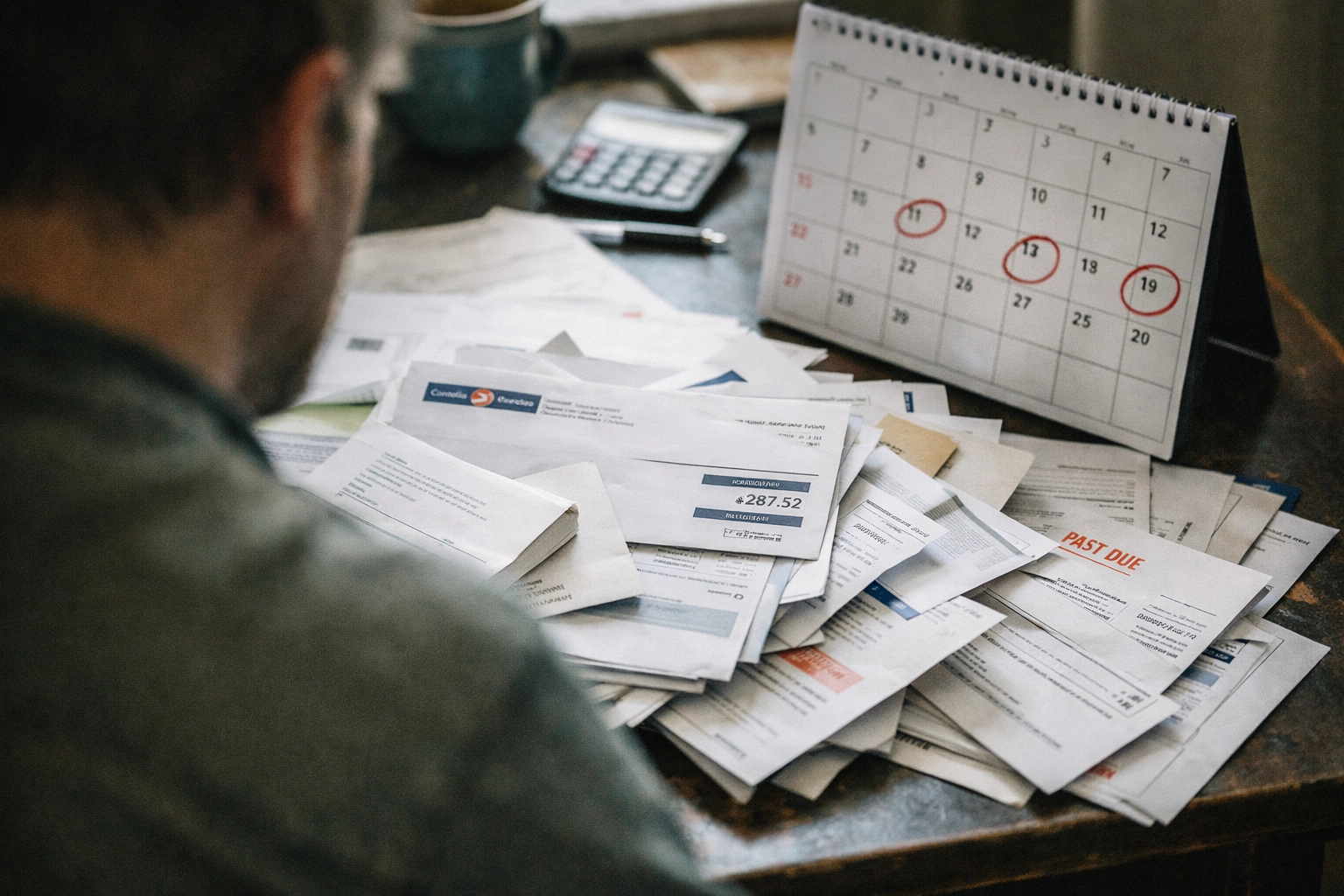
- 31-60 Days: Now the red flags are waving. If they aren't answering your calls, they’re likely prioritizing other creditors. You need to escalate.
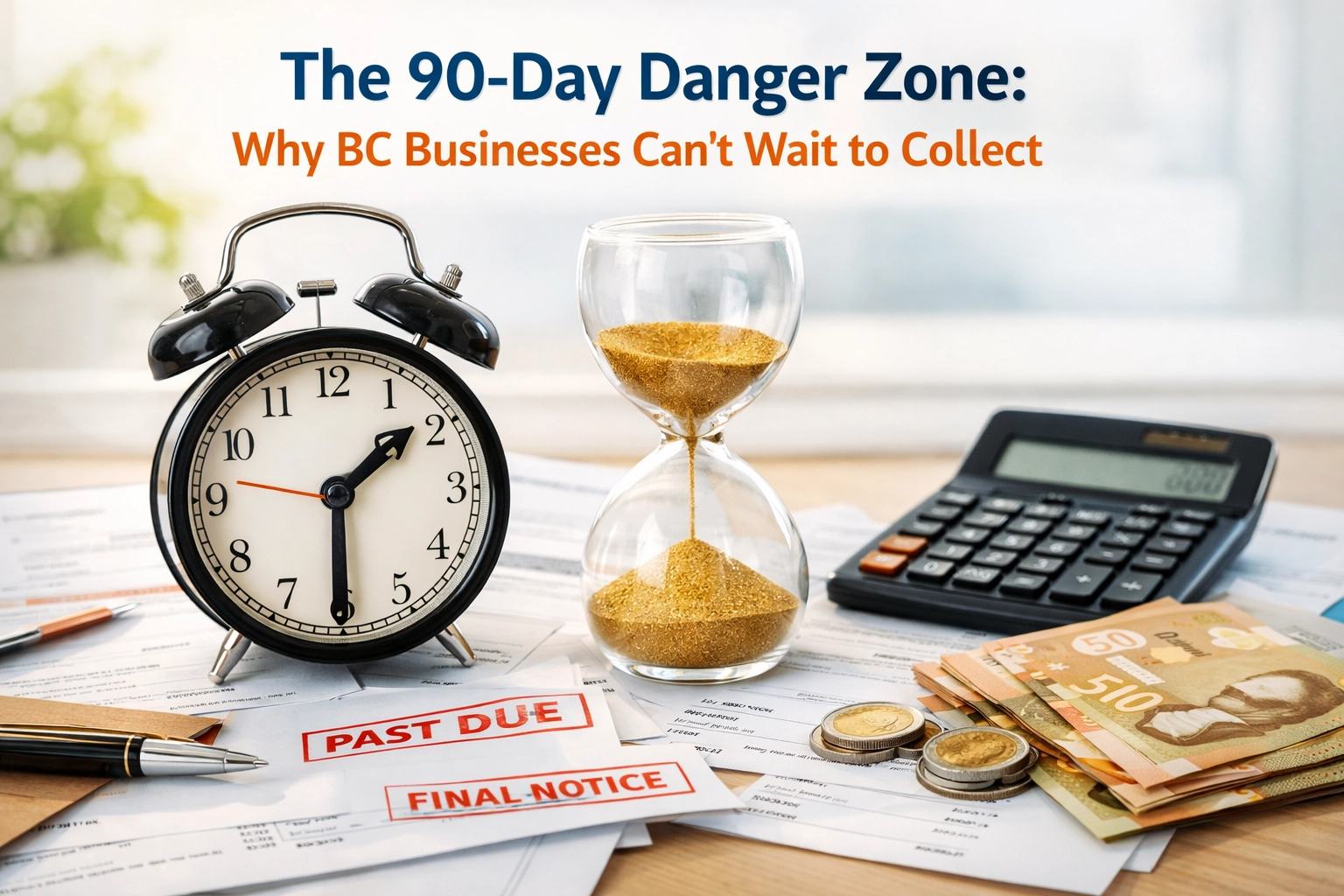
- 61-90 Days: This is the danger zone. Research shows that once a debt passes the 90-day mark, the chances of full recovery drop significantly (often by 50% or more).
If you're sitting on invoices that are 60+ days overdue, it’s time to stop being the "nice guy." You’ve provided a service, you’ve burnt the fuel, and you’ve paid the driver. You are essentially providing an interest-free loan to your debtor: and last we checked, you’re a trucking company, not a bank.

Actionable Steps to Recover Your Cash
If you're looking to handle things internally before calling ICON, here is your checklist:
- Audit the File: Ensure you have the signed Rate Confirmation, the Bill of Lading (BOL), and the Proof of Delivery (POD). If there were detention charges, ensure you have the "in and out" times stamped.
- The "Final" Demand: Send a formal letter stating that if payment isn't received within 10 business days, the file will be moved to a professional agency or legal counsel. (Pro-tip: mention the impact on their credit score).
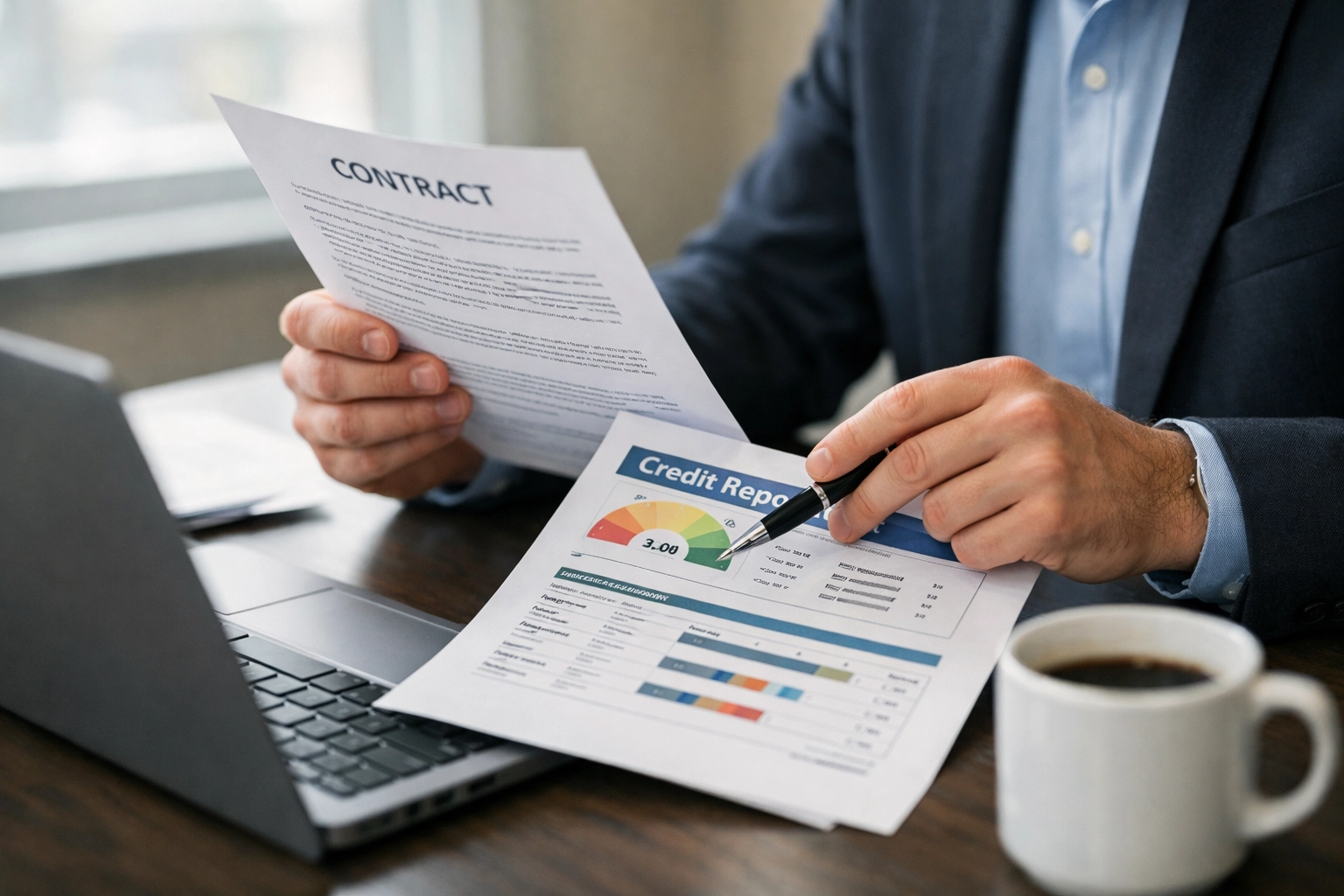
- Check the Broker's Credit: If you're working with a new broker, use credit reporting tools to see if they are slow-paying other carriers. If they are, stop hauling for them immediately.
How ICON Helps Trucking Companies in BC and Alberta
We don’t just send letters. We understand the logistics landscape of Western Canada. When a carrier in Edmonton or Calgary comes to us with a pile of unpaid invoices, we go to work using industry-specific leverage.
We’ve helped businesses recover significant sums: like the time we helped a business recover $50,000 in outstanding invoices. That’s not just a number; that’s the difference between expanding your fleet and laying off staff.
Our approach includes:
- Skip Tracing: If a broker has "vanished," we have the tools to find them.
- Legal Leverage: We know the transportation laws in Alberta and BC. We know how to navigate carrier liens and bond claims.
- AI-Enhanced Strategy: We use modern technology to track debtor behavior, ensuring we contact them at the right time and through the right channels. (You can read more about how AI is changing the game here).
Factoring vs. Debt Collection: Know the Difference
Many trucking companies use invoice factoring to keep cash flowing. It’s a great tool, but it’s not a solution for bad debt.
- Factoring is for current invoices where you want the cash faster.
- Debt Collection is for overdue invoices that the factoring company has "charged back" to you because they couldn't collect.
Don't let a chargeback from a factoring company sink your month. If the factor can't get the money, it doesn't mean the money is gone; it just means it needs a more aggressive approach.

Conclusion: Don't Let Your Hard Work Go Unpaid
The roads in Western Canada are tough enough without having to fight for your paycheck. Whether it’s a dispute over a fuel surcharge in Red Deer or a missing POD in Abbotsford, you deserve to be paid for every kilometer you drive.
If you’re tired of hearing about "checks in the mail" and "accountants on vacation," it’s time to bring in the pros. We pride ourselves on being the best collection agency in Alberta and BC because we understand the local industries: especially trucking.
Ready to get those wheels turning again? Contact us today and let’s reclaim what’s rightfully yours. Whether you need advice on managing accounts receivables or you have a $100,000 debt that needs immediate attention, ICON is here to help.
Keep the shiny side up and the rubber side down: and leave the collections to us.
This content is for informational purposes only and does not constitute legal advice.






.jpeg)
.png)
.png)
.png)
.png)

%20(1).jpg)




















%20(1).jpg)

.jpg)


