
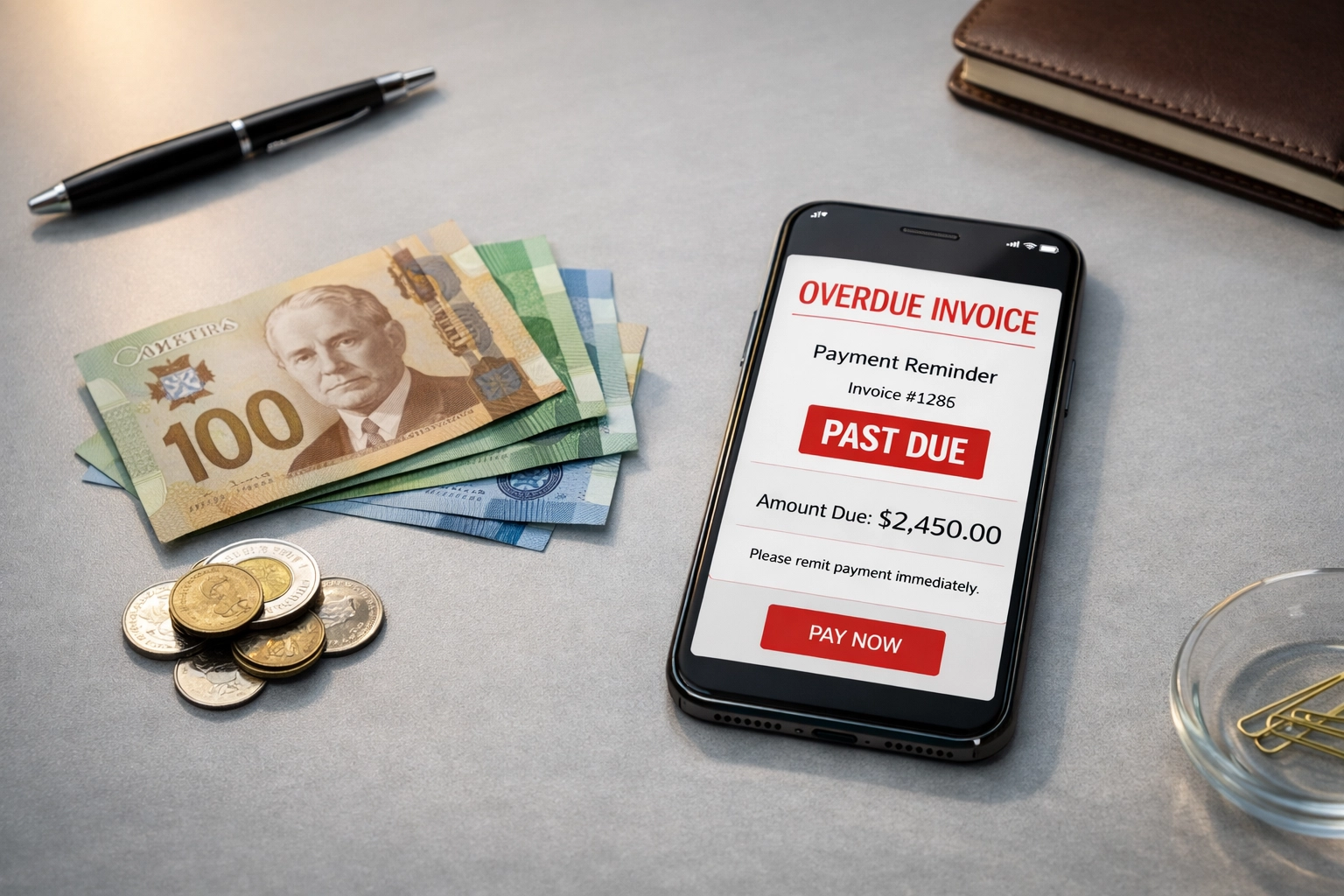
You’ve done the work. You’ve logged the hours, survived the "just one more quick change" requests, and delivered a result that would make a perfectionist weep with joy. You send off the invoice, leaning back in your chair with a satisfied sigh, already mentally spending that money on a fancy dinner (or, let’s be real, your mounting overhead costs).
And then... silence.
Days turn into weeks. The due date passes. You send a "just checking in" email, and suddenly your client, who used to text you at 9:00 PM on a Sunday, has developed a mysterious case of digital amnesia.
When a client refuses to pay an invoice, it’s not just a financial hit; it’s personal. It feels like a betrayal of the professional relationship you’ve built. But before you start drafting a strongly worded email in all caps (please don't do that yet), you need a strategy. At ICON Collection Solutions Inc., we see this every day. Whether you’re a contractor in Calgary or a tech firm in Vancouver, the struggle is real.
Here is your step-by-step guide on what to do when the "check is in the mail" turns out to be a total lie.
The "Creative" Excuse Hall of Fame
Before we dive into the logistics, let’s take a moment to appreciate the sheer creativity of the non-paying client. If we gave out awards for fiction, some of these would win a Pulitzer. Some of the classics include:
- "The check is in the mail": The undisputed heavyweight champion of excuses. Usually, this means the check hasn't even been signed yet.
- "Our accounting system is currently undergoing a massive migration": Translation: "We forgot to pay you and don't want to admit it."
- "The person who signs the checks is on a three-week hiking trip in the Himalayas": A convenient lack of connectivity is a favorite for ghosters.
- "I thought I paid that already?": The classic gaslighting technique (always keep your receipts, folks).
- "We’re waiting for our own clients to pay us": Ah, the "trickle-down" economics of debt.
While these might be funny in hindsight, they aren't helping your cash flow right now. If you're feeling overwhelmed, checking out 3 focus areas for your small business can help you regain some control over your operations while you chase these funds.
Step 1: The 24-Hour "Soft" Reminder
Don't wait weeks to follow up. If an invoice is even one day overdue, send a friendly reminder. People are busy, emails get buried under newsletters and spam, and sometimes it truly is a mistake.
Keep this first message light. Attach the invoice again (so they don't have to go digging for it) and ask if they have everything they need to process the payment.
Pro Tip: Use a billing collection letter sample that is short and polite. Something like:
"Hi [Name], just a quick note that invoice #123 was due yesterday. I’ve attached another copy here for your convenience. Please let me know if you have any questions!"
Step 2: The Direct Phone Call
If the email goes unanswered for 3-5 days, it’s time to pick up the phone. Yes, I know, calling people is "scary" in the digital age, but it’s much harder to ignore a human voice than a line of text on a screen.
When you call, stay professional. Your goal is to gather information, not to pick a fight.
- Ask if they received the invoice.
- Ask if there are any issues with the work performed (this is a common excuse for non-payment later on).
- Ask for a specific date when you can expect the transfer.

(Image Description: A minimalist, realistic photograph of a premium cream-colored demand letter, a sleek executive pen, and a subtle hourglass on a modern desk. The setting is clean, high-end, and professional, with no people visible.)
Step 3: Formalize the Process
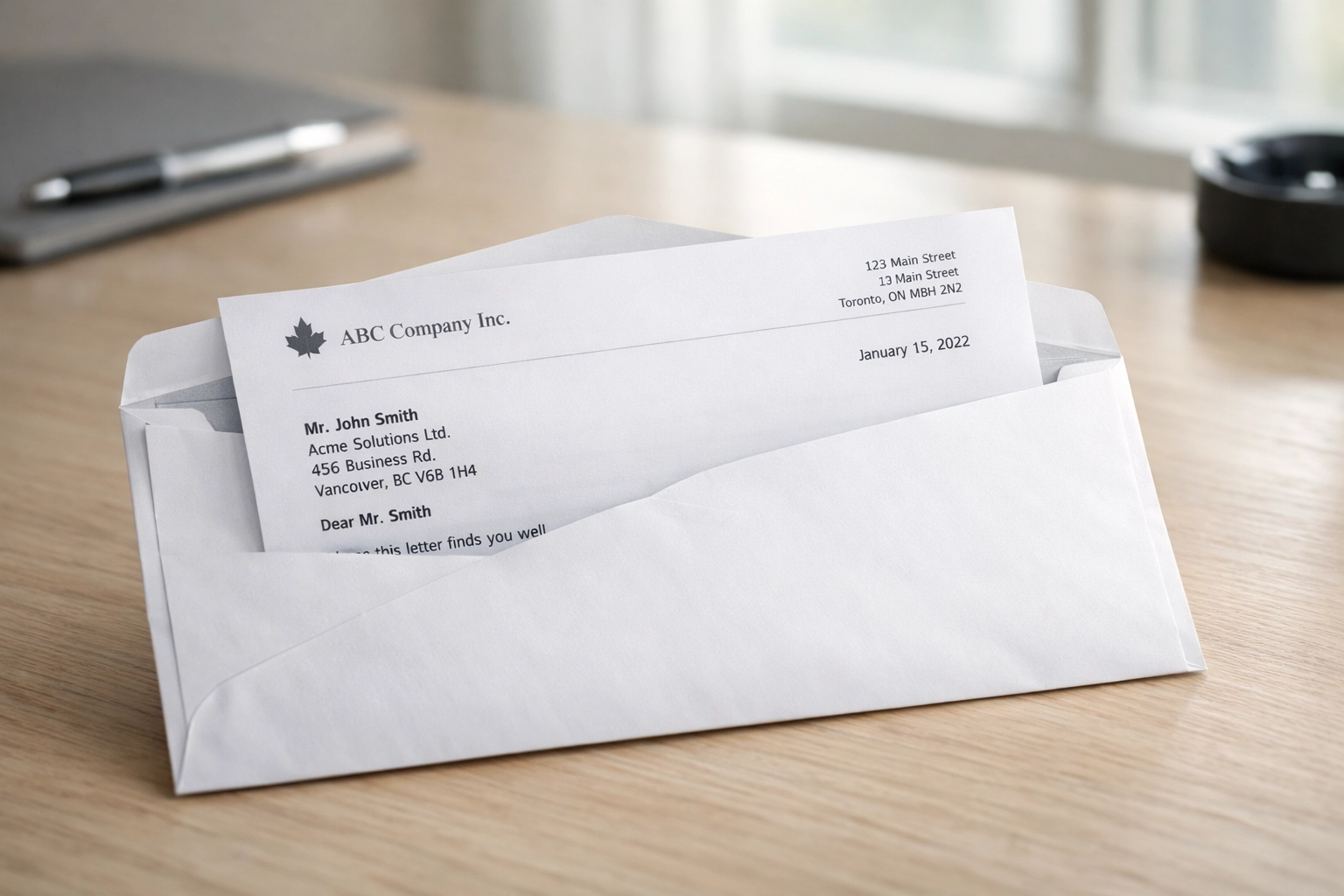
If you’re 30 days past due, the "friendly" phase is officially over. You need to move into formal escalation. This involves sending a written notice: often referred to as a "dunning letter": via certified mail.
In this phase, you should provide a clear letter of collection example or a past due letters template that outlines:
- The exact amount owed (including any pre-agreed interest).
- The original due date.
- A new, firm deadline (usually 7-10 days).
- The consequences of non-payment (e.g., "This account will be referred to a collection agency").
Did you know that according to industry data, the likelihood of recovering a debt drops significantly after 90 days? If you’re already at the 60-day mark, it’s time to stop being the "nice guy." You might want to look into how AI and automation are changing debt collection to see how modern tools can speed this up.
Step 4: Offer a "Life Raft" (Payment Plans)
Sometimes, a client genuinely wants to pay but doesn't have the liquid cash (maybe their own accounts receivable are a mess). In this case, getting some money is better than getting no money.
Offer a structured payment plan. For example:
- Total Debt: $5,000.
- Plan: 5 installments of $1,000 over 10 weeks.
- Condition: If one payment is missed, the full amount becomes due immediately.
This keeps the cash flowing into your business and avoids the high costs of legal action. If you're struggling with how to structure this, check out our 2-step debt repayment plan for inspiration.
Step 5: Professional Intervention (The ICON Factor)
When you’ve sent the letters, made the calls, and offered the plans, and you’re still getting nothing but crickets, it’s time to bring in the pros.
Many small business owners hesitate to hire a collection agency because they fear it will "ruin the relationship." But let’s be honest: if a client refuses to pay you for work you’ve completed, the relationship is already over. You aren't a charity (unless you actually are a registered charity, in which case, you still need to pay your light bill).
Hiring a licensed agency like ICON Collection Solutions Inc. does several things:
- It shows you’re serious: A third-party letterhead carries weight that yours doesn't.
- It saves you time: Instead of spending hours playing "private investigator" to find a client, you can focus on achieving work-life balance.
- It’s cost-effective: Most agencies work on a contingency basis (no recovery, no fee), typically taking between 20% and 50% of the recovered amount. 80% of something is much better than 100% of nothing.
Whether you need collections in Calgary or are looking for the top commercial collection agency in Edmonton, we have the local expertise to handle Alberta and BC's specific regulations.
Legal Action: The Last Resort
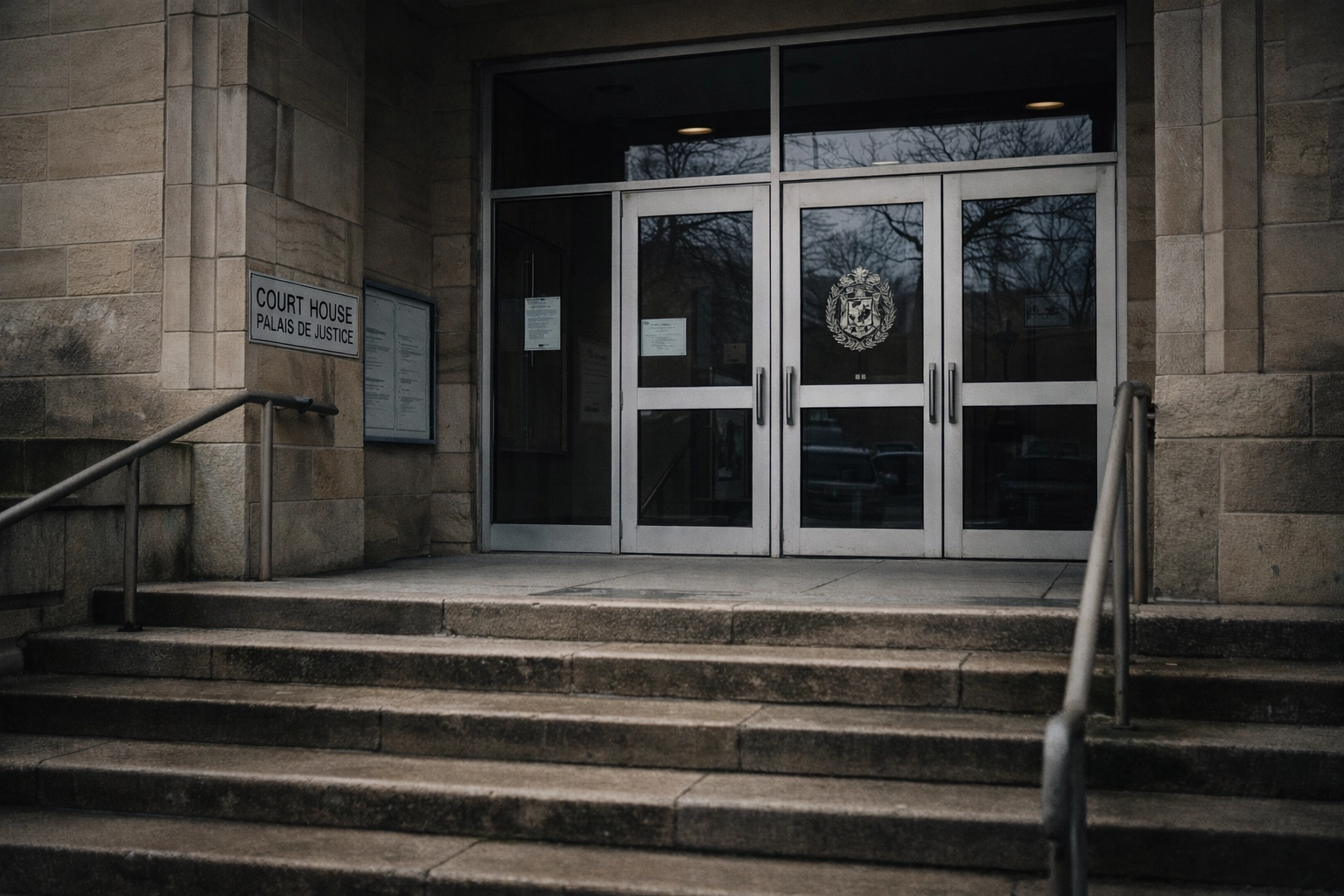
If the debt is significant (say, over $10,000), you might consider Small Claims Court. In British Columbia and Alberta, the process is designed to be accessible for individuals without a lawyer. However, it is time-consuming. You’ll need to file a claim, serve the defendant, and attend a hearing.
Even if you win a judgment, the court doesn't "collect" the money for you. You still have to enforce it through garnishments or liens. This is why many businesses prefer the collection agency route first: it’s often faster and less draining on your mental health. We’ve even helped businesses recover $50,000 in outstanding invoices without the headache of a full-blown court battle.
Summary Checklist for Recovering Unpaid Invoices
To make sure you're covered, follow this quick list:
- Day 1 Overdue: Send a friendly email reminder with the invoice attached.
- Day 7 Overdue: Make a "customer service" style phone call.
- Day 30 Overdue: Send a formal billing collection letter sample via certified mail.
- Day 60 Overdue: Offer a payment plan or a final warning.
- Day 90 Overdue: Transfer the file to ICON Collection Solutions Inc. (the point of no return for the debtor).
Don't Let Your Business Suffer
Unpaid invoices are more than just a nuisance; they are a threat to your business’s survival. You have a right to be paid for your expertise and your time.
If you’re currently staring at a list of aging accounts and wondering where it all went wrong, don’t wait another day. The longer you wait, the harder it becomes to collect. Learn why hiring a debt collection agency might be the smartest move you make this quarter.
Ready to get started? Contact us today and let’s reclaim what’s rightfully yours. Whether you’re looking for the best collection agency in Alberta or need help managing your accounts receivable, we’ve got your back.
This content is for informational purposes only and does not constitute legal advice.

.jpeg)
.png)
.png)
.png)
.png)

%20(1).jpg)



























%20(1).jpg)

.jpg)


