
You’ve done the work. You delivered the product to Calgary, or perhaps you finished that consulting project in Surrey. You sent the invoice. You waited. You sent a polite "just checking in" email. You waited some more. Now, your accounting software is flashing red, and that "90+ days overdue" label is staring you in the face.
It’s time for the Final Notice.
Writing this letter is one of the most stressful tasks for small business owners (SMBs) in British Columbia and Alberta. You want your money, honestly, you need your money to keep the lights on, but you also don't want to become the "bad guy" or ruin a potentially lucrative long-term relationship.
How do you strike the balance between "Please pay me" and "I am calling my lawyer"? At ICON Collection Solutions Inc., we’ve seen thousands of these letters. Some work like a charm; others end up in the recycling bin before the envelope is even fully opened.
Here is how to write a final notice that actually gets results without burning the bridge to the ground.
The Anatomy of a Letter That Actually Gets Opened
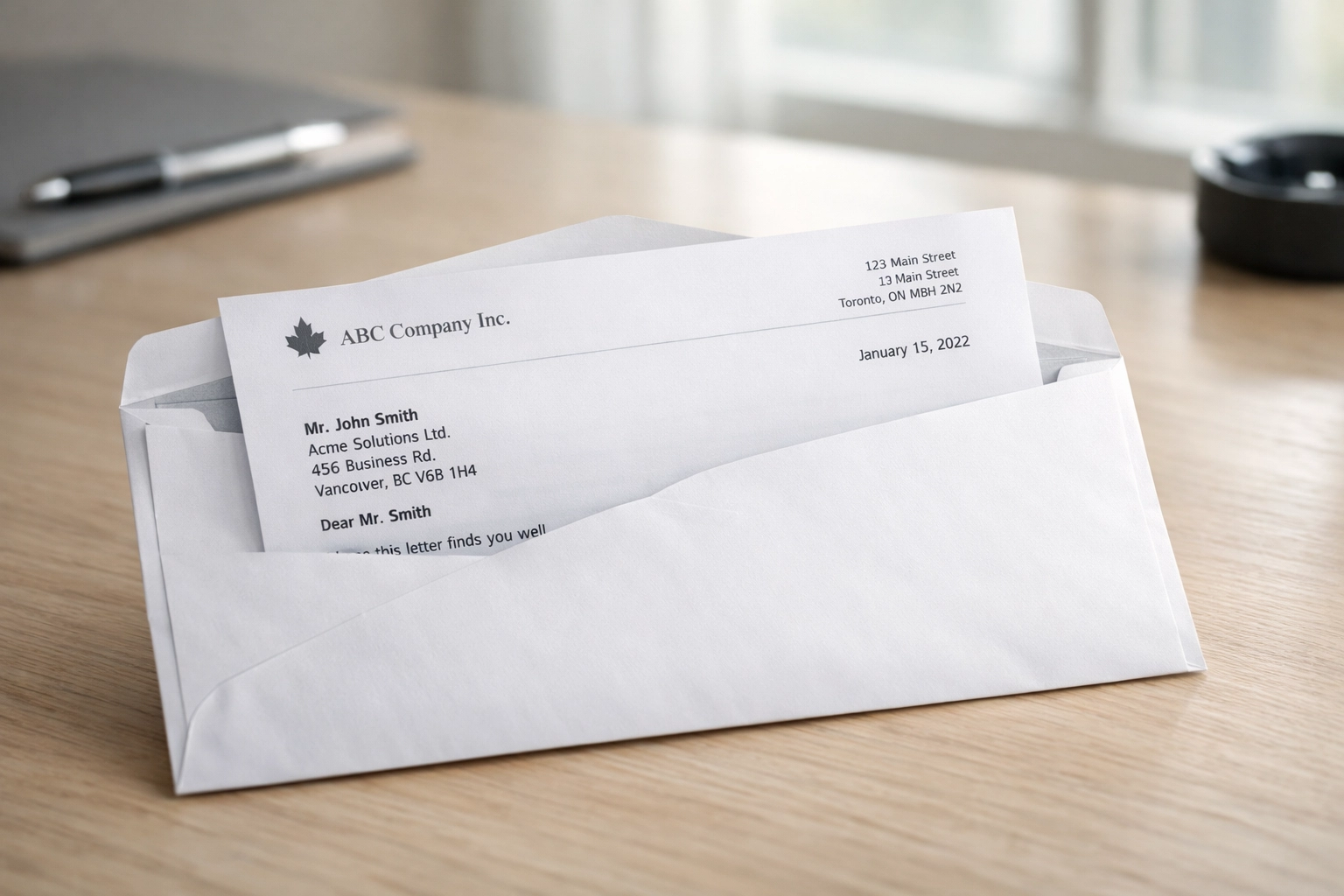
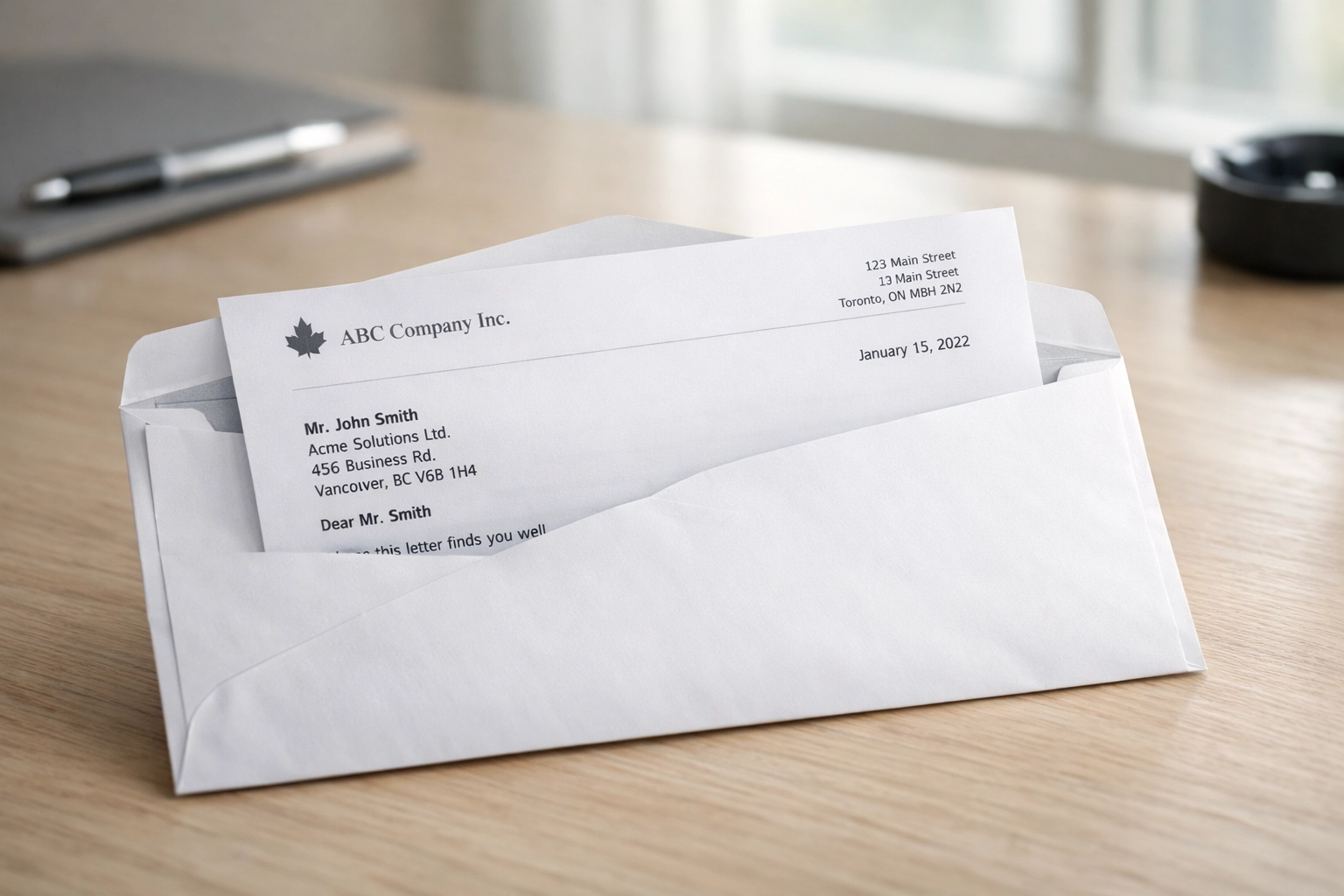
A professional collection letter isn't a ransom note. It’s a formal business document. If it looks sloppy, the debtor will assume your business operations are sloppy and that they can continue to ignore you.
To ensure your letter carries weight, it must include:
- Precise Identification: Your business name, address, and a direct phone number.
- The "Paper Trail": Include the specific invoice number, the original due date, and the exact amount owed (including any late fees you’ve previously agreed upon).
- The Deadline: Be specific. Don't say "immediately" or "as soon as possible." Give them a hard date, such as "by 5:00 PM MST on March 26, 2026."
- Payment Methods: Make it dummy-proof. Link to your online portal, provide your E-transfer email, or list your mailing address for cheques. The harder it is to pay, the less likely they are to do it.
(Pro tip: If you are sending this via email, use a subject line that is clear but not aggressive, like Final Notice Regarding Overdue Invoice #12345. Save the "PAY NOW" all-caps for your internal venting sessions.)
Firmness vs. Hostility: Finding the Sweet Spot
There is a massive difference between being firm and being hostile. Hostility triggers a "fight or flight" response. If you come out swinging with threats and insults, the debtor is more likely to ghost you or, worse, find a reason to dispute the debt just to spite you.
Instead, frame the final notice as a necessary procedural step. You aren't attacking them; you are simply following your company's standard credit policy.
The "Good Cop" Approach:
"We value our relationship with your company and would prefer to resolve this matter amicably. However, as this account is now 60 days past due, we must receive payment by [Date] to avoid further action."
This tells them two things:
- You still like them (for now).
- The clock has officially run out on "friendly reminders."
If you’re struggling to manage these balances, check out our guide on 3 simple ways to better manage accounts receivables.
The "Creative" Excuses We Hear in Western Canada
We’ve been doing this a long time at ICON Collection Solutions Inc., and we’ve heard it all. From the oil patches of Edmonton to the tech hubs of Vancouver, the excuses for not paying an invoice are truly a work of art.
Some of our "favorites" include:
- "The person who signs the cheques is currently on a silent meditation retreat in the Rockies and won't be back for three weeks."
- "Our accounting software was struck by lightning. Not the building, just the server. It’s a very specific type of weather event."
- "I thought that $5,000 invoice was a 'thank you' gift for being such a great client!" (Yes, someone actually said this).
- "My dog didn't eat the homework, but he did chew through the Ethernet cable right as I was hitting 'send' on the E-transfer."
When you hear these, stay professional. Acknowledge the "challenge" but pivot back to the facts. "I understand your server was struck by lightning; however, the balance remains outstanding. How would you like to handle the payment today?"
Understanding the Legal Landscape (BC vs. Alberta)
When you write a Final Notice, you need to know what happens if they don't pay. In Canada, debt collection is regulated at the provincial level.
In both British Columbia and Alberta, the statute of limitations for debt is generally two years from the date the debt was acknowledged or the last payment was made. If you wait three years to send a final notice, you might find yourself holding a piece of paper that has zero legal teeth.
- In Alberta: If you are dealing with collections in Calgary or Edmonton, ensure you are following the Consumer Debt Collection Act.
- In BC: Businesses in Surrey or Vancouver must adhere to the Business Practices and Consumer Protection Act.
If you aren't sure where you stand, it might be time to look into the best collection agency in Alberta to ensure your paperwork is airtight.
The 4-Stage Progressive Letter Strategy
Don't go from "Hey, hope you're well!" to "See you in court!" in five days. A progressive strategy works best for SMBs:
- Day 14 (The Friendly Reminder): "Hey, just making sure you saw this invoice!"
- Day 28 (The Inquiry): "Is there a problem with the service? We noticed the payment hasn't arrived."
- Day 42 (The Urgent Notice): "This account is significantly past due. Please contact us immediately."
- Day 56 (The Final Notice): "This is your final notice before we refer this account to a third-party collection agency."
By the time you hit Stage 4, the debtor knows this isn't a mistake: it’s a choice. You can see how we’ve helped businesses in similar spots by checking out our work.
When the Letter Isn't Enough
Sometimes, no matter how perfectly crafted your letter is, it won't work. Some debtors are professional stallers. They know exactly how to play the game to keep their cash flow high at your expense.
If you’ve sent your Final Notice and the deadline has passed without a peep, do not wait. Silence is a clear signal. This is the point where many SMBs lose steam because they don't want the "hassle" of further action. But remember, every day an invoice goes unpaid, the likelihood of recovering it drops.
Transitioning the account to a professional agency doesn't mean you're a "bully." It means you respect your business enough to ensure you get paid for your work. We’ve helped businesses recover significant amounts: like this story of a business recovering $50,000 in outstanding invoices.
Checklist: Before You Hit Send
Before you stuff that envelope or click "send," run through this quick checklist:
- Is the amount 100% accurate?
- Have I included all payment options?
- Is the deadline a specific date and time?
- Have I attached the original invoice for their convenience? (Don't give them an excuse to ask for it again).
- Is the tone professional and devoid of emotion?
Ready to Reclaim Your Cash Flow?
Writing a final notice is about setting a boundary. You are a business, not a charity. (And even charities have bills to pay!). If you find that writing these letters is taking up too much of your time: or if your letters are being ignored: it’s time to bring in the experts who know the BC and Alberta markets inside and out.
At ICON Collection Solutions Inc., we handle the "tough talk" so you can get back to growing your business. Whether you need a collection agency in Surrey, BC or help with commercial accounts in Edmonton, we have the tools and the 70% recovery rate to back it up.
Contact us today and let's reclaim what's rightfully yours. Don't let your hard-earned money become someone else's interest-free loan. 🚀
This content is for informational purposes only and does not constitute legal advice.






.jpeg)
.png)
.png)
.png)
.png)

%20(1).jpg)





























%20(1).jpg)

.jpg)


