

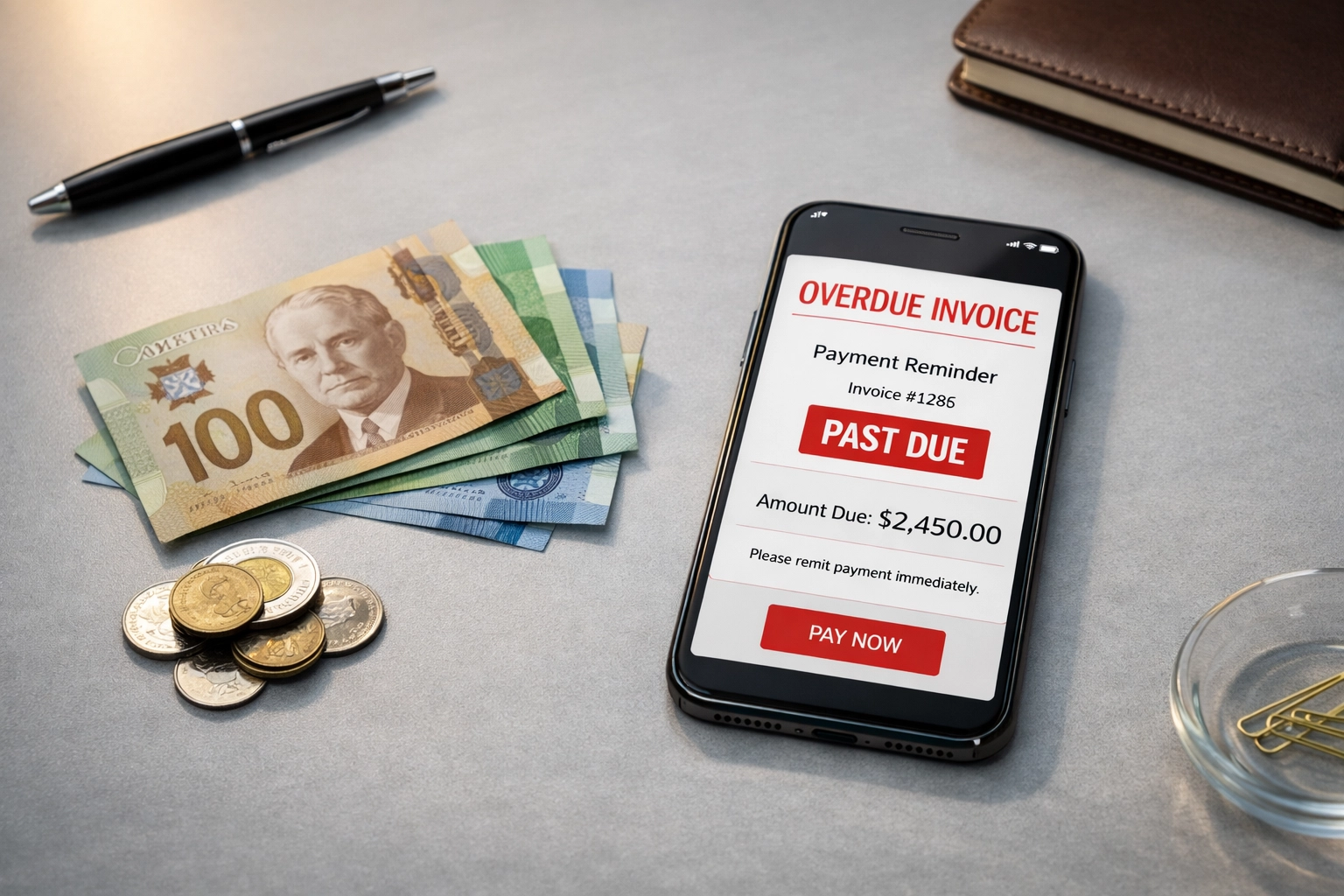
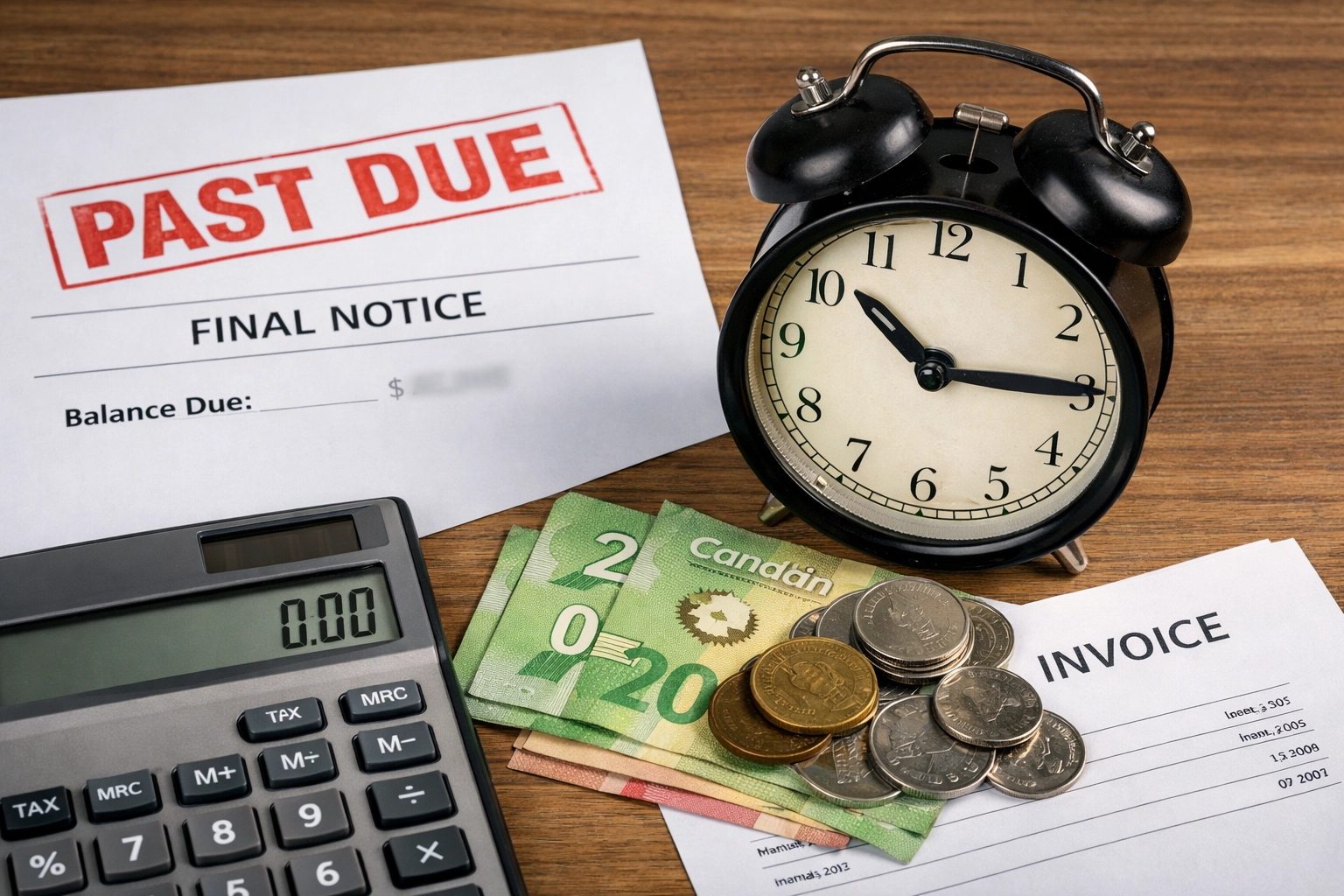
There is a special kind of heartbreak that only a small business owner in Calgary understands. It’s not the kind you find in a country song about a lost truck or a runaway dog. It’s the silence that follows a "Sent" invoice. You did the work, you delivered the goods, and now... crickets.
Maybe you’re sitting in a coffee shop on 17th Ave, refreshing your bank portal for the tenth time today, hoping that five-figure payment finally landed. Instead, you’re greeted by a balance that looks suspiciously like a phone number from the 90s.
Chasing money is exhausting. It takes you away from what you actually love doing (which, let’s be honest, probably isn't harassing people for $5,000 over the phone). If you are currently dealing with a client who thinks your invoices are "optional suggestions," this guide is for you. Here is how you can legally, professionally, and effectively recover unpaid invoices in Calgary.
Step 1: The Internal Audit (Check Your Own Homework First)
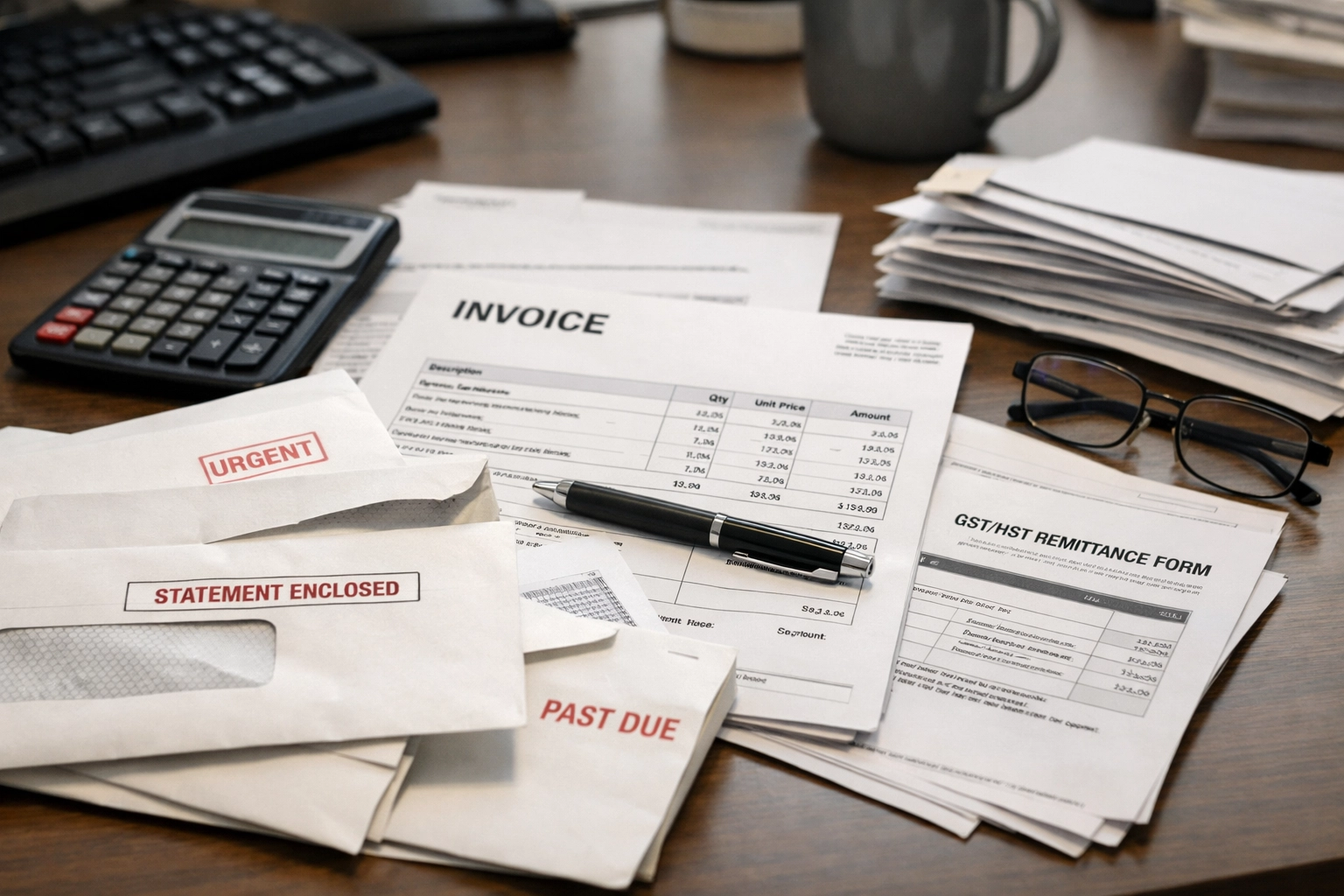
Before you start quoting Alberta statutes and calling in the heavy hitters, you need to make sure your own house is in order. You’d be surprised how many "unpaid" invoices are actually just "misplaced" because someone forgot to attach the purchase order or sent it to an email address that hasn't been checked since 2014.
- Review the Contract: Do you have a signed agreement? (If you don't, this is one of the 3 focus areas for your small business you need to fix immediately).
- Verify Delivery: Can you prove the work was done or the product was received? Save those emails, signed delivery slips, and "thank you" notes.
- The "Oops" Check: Did you actually send the invoice? (It happens to the best of us).
If everything looks correct, it’s time to move from "friendly reminder" to "formal demand."
Step 2: The Formal Demand Letter
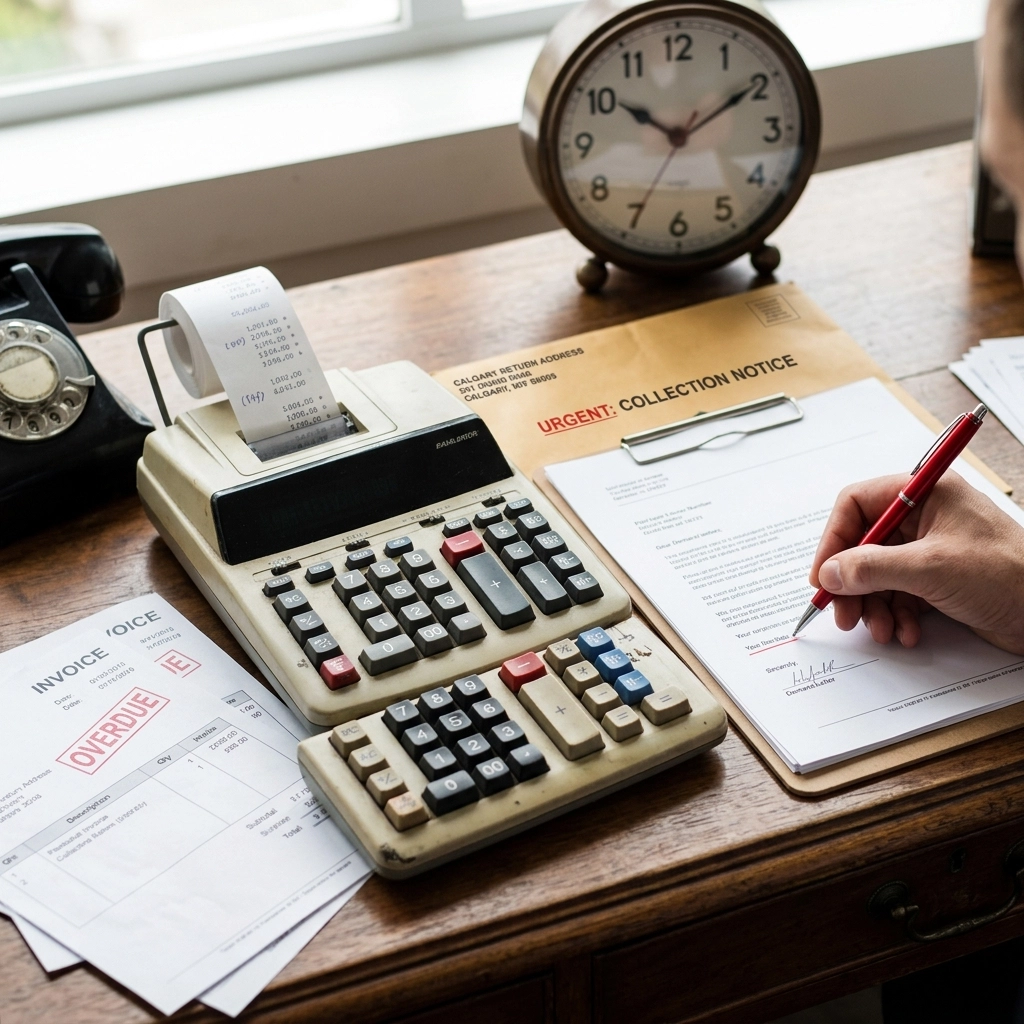
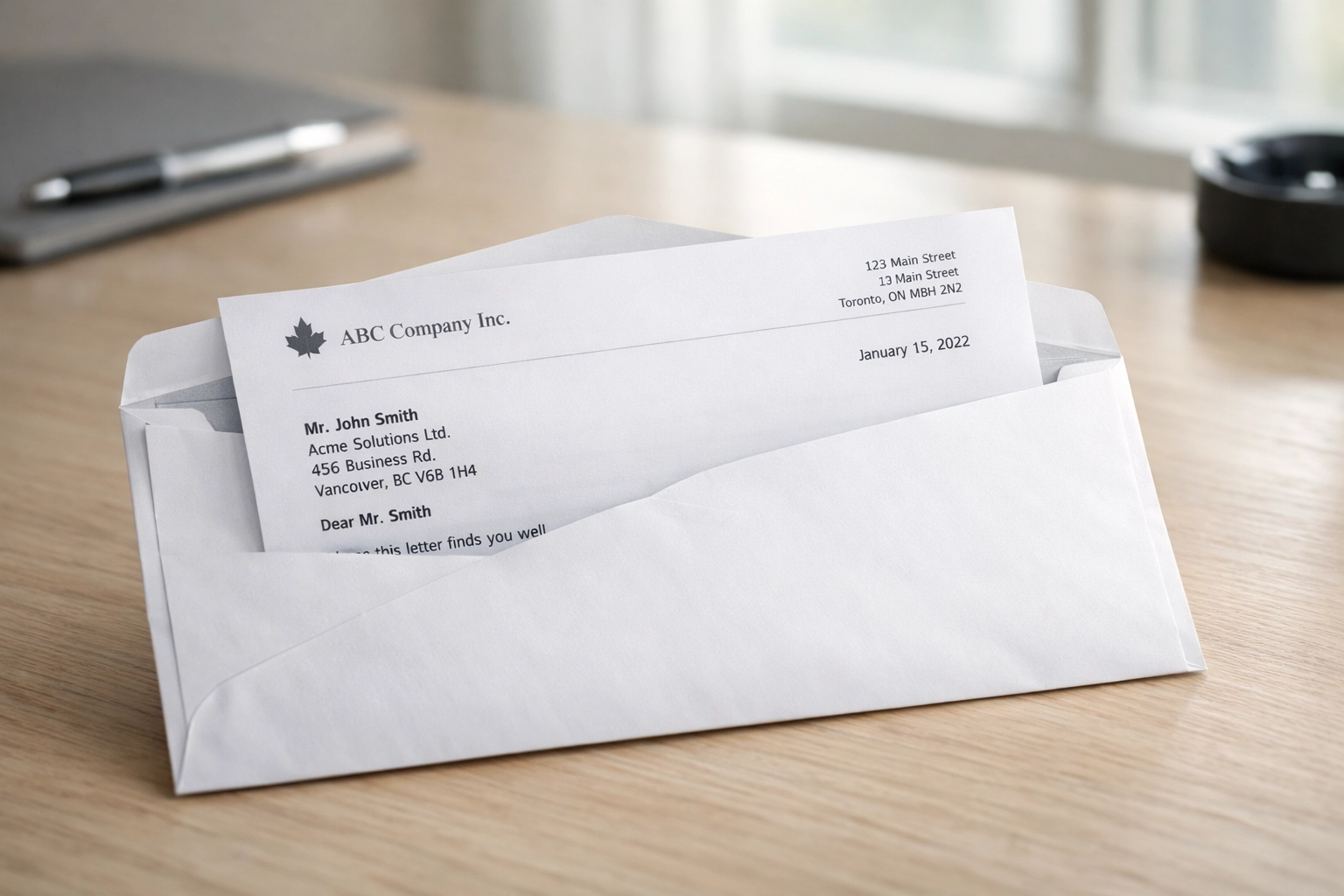
In the world of Calgary collections, a Demand Letter is your opening move. It’s a formal document that says, "I’m done being nice, and I’m keeping a paper trail."
A good demand letter should include:
- The exact amount owed (including any late fees specified in your contract).
- A clear deadline (usually 7 to 10 business days).
- The method of payment you’ll accept.
- The consequences of non-payment (e.g., "This account will be referred to an Alberta collection ag").
Keep it professional. You want to sound like a business owner, not an extra in a mob movie. (Pro tip: Avoid using all caps; it makes you look desperate, not intimidating).

Step 3: The $38 Secret – The Alberta Business Disputes Register
Most Calgary business owners don't know about this one, but it is a fantastic "middle ground" before going to court.
In Alberta, you can file a dispute on the Business Disputes Register. For a modest fee of just $38, your unpaid invoice becomes a matter of public record. Why does this work? Because no legitimate company wants a public black mark on their record suggesting they don't pay their bills. It’s like a credit score warning before the actual credit score hit. Often, the mere mention of filing this is enough to get a check cut within 24 hours.
Step 4: Hire a Licensed Collection Agency
If the demand letter didn't work and the $38 threat didn't move the needle, it’s time to call in the pros. This is where a collection companies canada specialist like ICON Collection Solutions Inc. comes in.
Why hire an agency instead of a lawyer?
- Cost: Lawyers often charge by the hour, which can eat up your recovery amount before you even see a judge. Most collection agencies work on a contingency basis (usually around 25-30%), meaning they only get paid if you get paid.
- Speed: Agencies have tools and databases you don't. We know how to find people who have suddenly "moved" to a basement suite in Airdrie to avoid their debts.
- Psychology: When a debtor gets a call from an Alberta collection ag, they realize the situation has escalated beyond a "civil dispute" between two people.
We’ve seen it work wonders. In fact, we once helped a business recover $50,000 in outstanding invoices that they had practically given up on.
Step 5: Small Claims Court (The Alberta Civil Claim)
If the amount is significant: say, over $5,000 but under $50,000: you can head to the Alberta Court of Justice (formerly known as Small Claims Court).
Here’s the breakdown of the costs and limits in Calgary:
- The Limit: You can sue for up to $50,000. If they owe you $55,000, you either have to "waive" the extra $5k to stay in Small Claims or move to the Court of King’s Bench (which is much more expensive and lawyer-heavy).
- The Filing Fee: It’ll cost you $100 if the claim is under $7,500, or $200 if it’s between $7,500 and $50,000.
- The Process: You file a Civil Claim, serve the defendant (you can’t just throw it at their door; there are rules!), and wait for their Dispute Note.
If they don't respond within 20 days? You can apply for a Default Judgment. It’s the legal version of winning by forfeit.
Step 6: Enforcement (Winning the Game vs. Getting the Money)
Here is a hard truth: A court judgment is just a piece of paper. The judge doesn't reach into the debtor’s pocket and hand you the cash. You have to enforce it.
In Calgary, once you have a judgment, you can:
- Garnish Wages: Take a portion of their paycheck before they even see it.
- Garnish Bank Accounts: Freeze and seize funds directly from their bank.
- Seize Property: Send a bailiff to take their equipment or vehicles to be sold at auction.
This is where having a partner for collections in Calgary is invaluable. Enforcement is paperwork-heavy and requires knowing exactly where the debtor keeps their assets.
The Hall of Fame of Excuses (Or, Why I Haven’t Paid You Yet)
In our years of doing Calgary collections, we’ve heard it all. If you're currently being ghosted, you’ve likely heard one of these winners:
- "My accountant is on a spiritual retreat in Bali and has the only key to the checkbook." (Sure they are. Namaste.)
- "I thought that invoice was a 'draft' for my review, not a request for money." (Because everyone works for 40 hours just for fun, right?)
- "The dog literally ate the check." (We’ve heard this twice. Unless their dog is a Golden Retriever that loves the taste of paper and ink, we aren't buying it.)
- "Our company is transitioning to a new 'AI-driven' payment system that currently only supports Bitcoin and hugs." (Nice try.)
When you hear these, don't argue. Just refer back to Step 2 and Step 4. Excuses don't pay your rent; cash does.
Why Time is Your Enemy
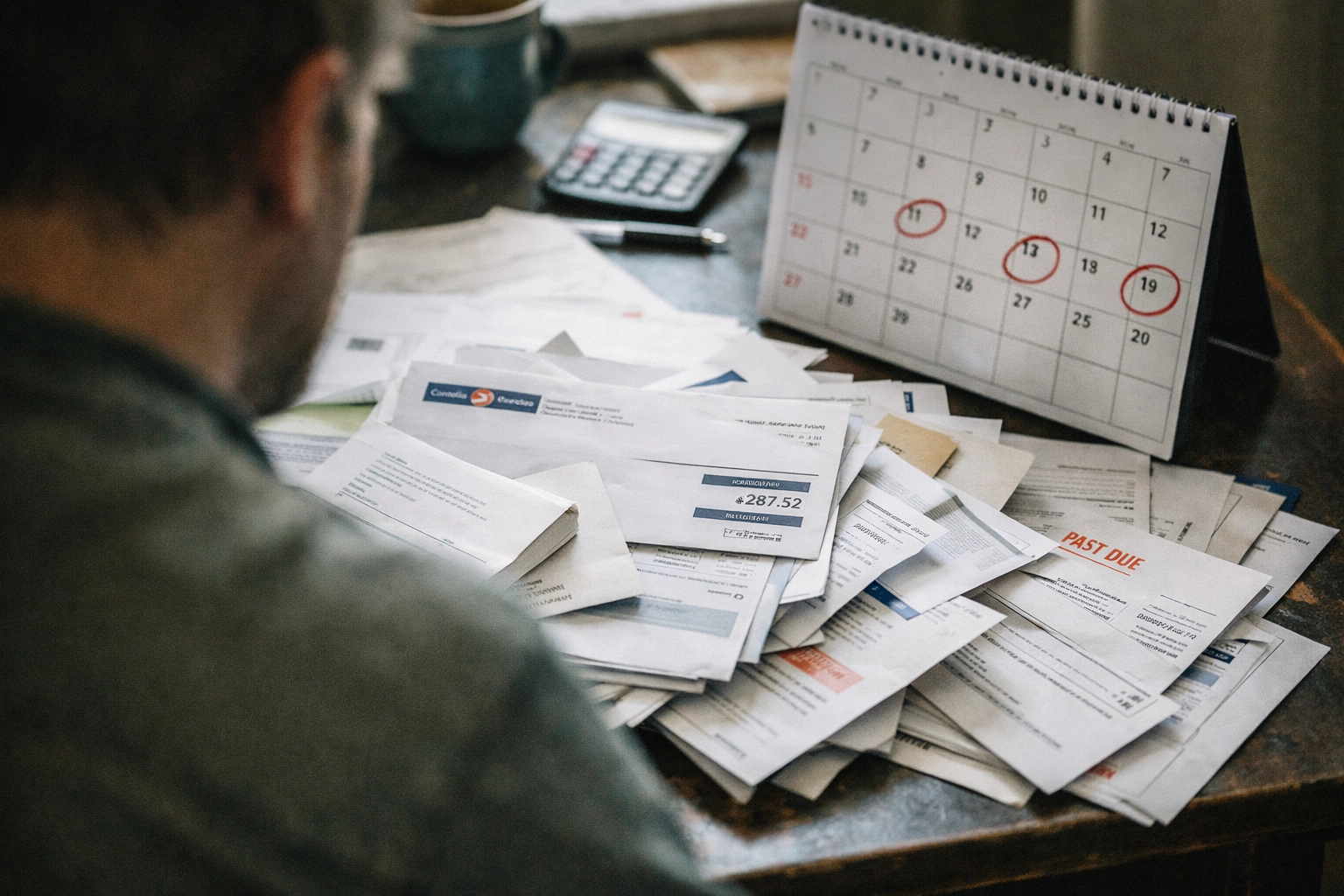
In Alberta, the Limitations Act generally gives you two years from the date you knew (or should have known) the debt was overdue to start legal action. Two years sounds like a long time, but it flies by when you're busy running a business.
The longer a debt sits, the "colder" it gets. After 90 days, the chance of full recovery drops significantly. Don’t wait until the two-year mark to decide you want your money back. If you’re unsure where to start, looking for the best collection agency in Alberta should be your first priority.
Final Thoughts
Recovering unpaid invoices in Calgary doesn't have to be a nightmare. By staying organized, using the Business Disputes Register, and knowing when to bring in a professional Alberta collection ag, you can protect your cash flow and get back to growing your business.
Remember, you aren't being "mean" by asking to be paid for work you’ve already done. You’re being a professional.
Ready to stop chasing and start collecting?
Contact ICON Collection Solutions Inc. today. Let’s get your accounts receivable back in the green so you can focus on what matters.
Disclaimer: This content is for informational purposes only and does not constitute legal advice.







.jpeg)
.png)
.png)
.png)
.png)

%20(1).jpg)























%20(1).jpg)

.jpg)


