
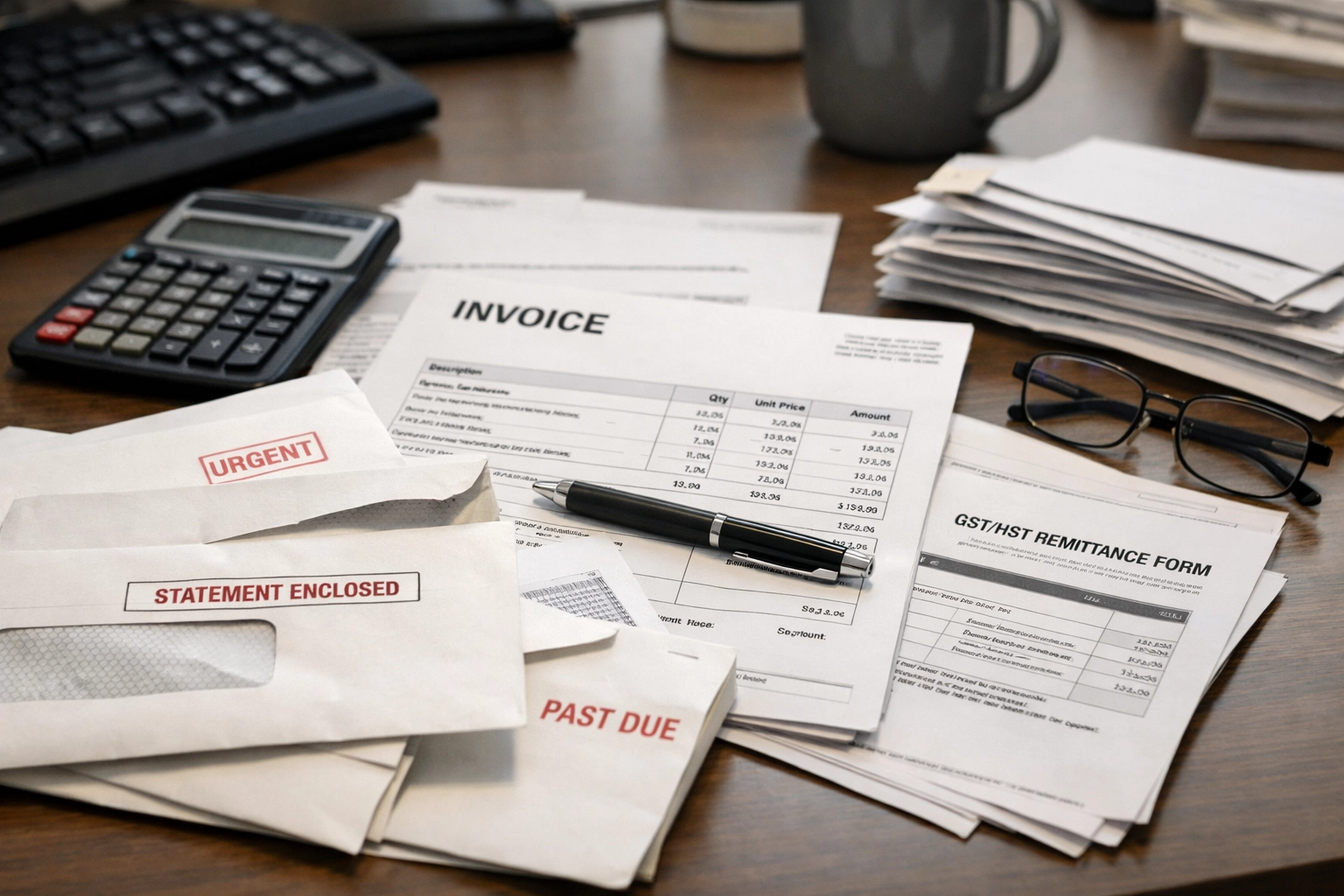
You’ve done the work. You delivered the product, provided the service, and maybe even threw in a little extra "Canadian hospitality" to make sure your client was happy. But now, the calendar has flipped, and that invoice is officially 30 days past due.
In the business world, 30 days is the "Goldilocks" zone of debt collection. It’s long enough that you definitely need to say something, but short enough that you don't want to come in like a wrecking ball and destroy a perfectly good relationship.
Whether you’re running a construction firm in Calgary or a tech startup in Vancouver, managing your accounts receivable is a delicate dance. You want your money (obviously), but you also want to keep the door open for future business. This is where the collection letter format makes all the difference.
Why the 30-Day Mark is Your Best Friend
At 30 days, most overdue accounts are simply the result of an oversight. Maybe the email went to their spam folder, or perhaps the accounting department was waiting for a signature from a manager who was off skiing in Whistler for the week.
According to industry data, the longer a debt sits, the harder it is to collect. Once an invoice hits the 90-day mark, the likelihood of recovery drops significantly. By acting at 30 days with a "soft" touch, you maintain a high recovery rate, often upwards of 70%, without needing to escalate to legal threats.
The "Wall of Shame": Real Excuses We’ve Heard
Before we get into the template, let’s take a moment to appreciate the creativity of the human mind when it comes to avoiding a bill. Here at ICON Collection Solutions Inc., we’ve heard it all. If you’ve heard these, you aren’t alone:
- The "Digital Ghost": "I sent the e-transfer, did it not go through? I must have sent it to my landlord by mistake!"
- The "Natural Disaster": "My basement flooded (even though it hasn't rained in Lethbridge for three weeks), and the check was on the floor."
- The "Family Crisis": "My goldfish needed emergency surgery, and I’ve been at the vet all morning." (Yes, really.)
- The "Mailman Sabotage": "The Canada Post truck drove past my house without stopping for three days straight!"
While these excuses can be frustrating (and occasionally hilarious), the goal of your 30-day reminder is to give the debtor a "graceful exit." You assume it was an honest mistake, which makes it easier for them to pay without feeling embarrassed.
The Anatomy of a High-Value Billing Collection Letter Sample
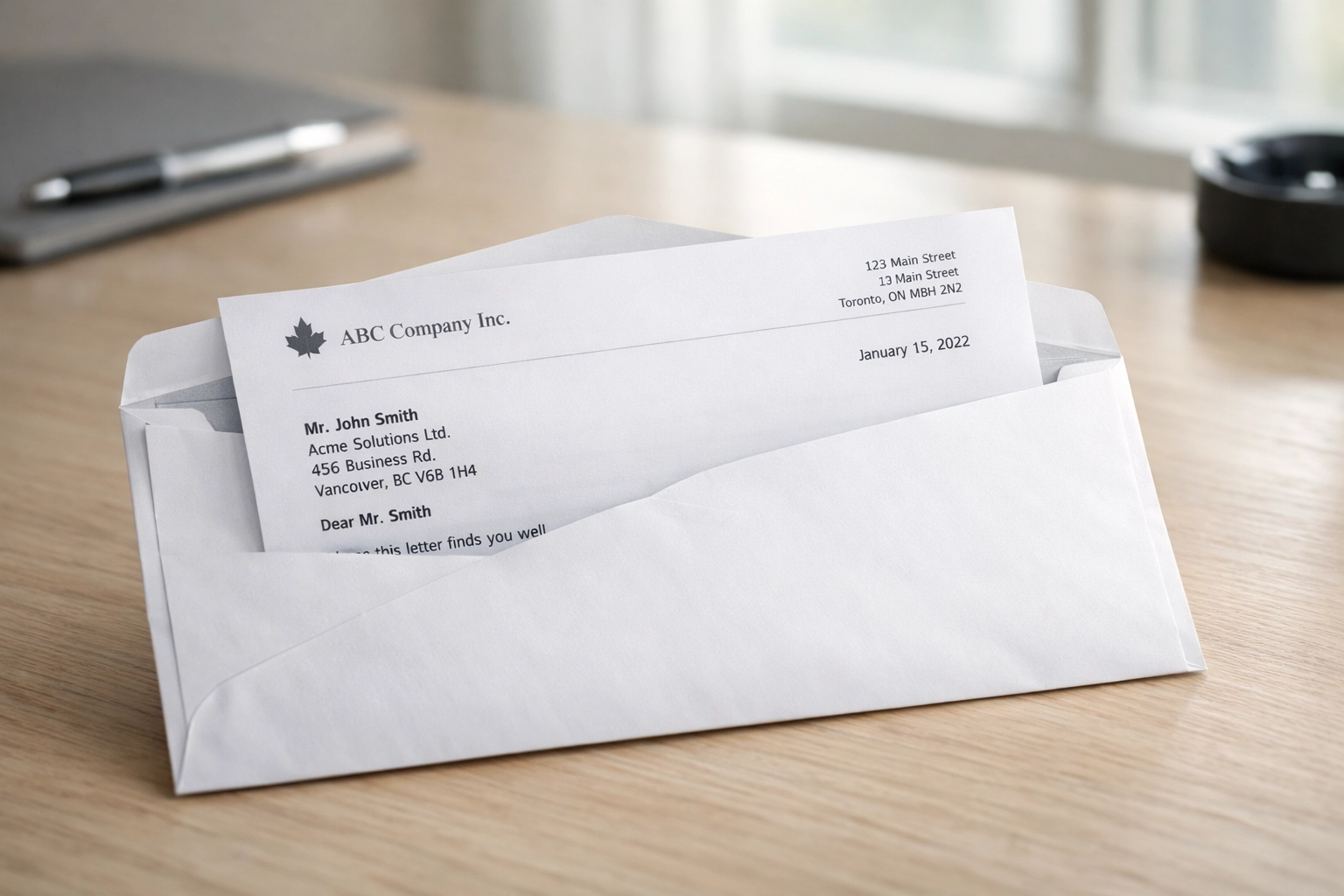
A professional billing collection letter sample isn't just a demand for cash; it’s a strategic communication tool. If you want to see how we’ve helped businesses recover significant sums using structured approaches, check out our post on how we helped a business recover $50,000 in outstanding invoices.
Here is what your 30-day "soft" reminder should include:
- A Personal Touch: Address the recipient by name. "Dear Valued Customer" feels like a utility bill; "Dear Sarah" feels like a conversation.
- Specific Debt Information: Include the invoice number, the exact dollar amount, and the original due date. Don't make them go digging through their files to find out what you're talking about.
- The "Benefit of the Doubt" Clause: Use language like "This is just a friendly reminder" or "We noticed this may have been overlooked."
- Flexible Payment Options: Mention that you accept credit cards, e-transfers, or checks. The fewer barriers to payment, the faster you get paid.
- A Clear (but Kind) Deadline: Give them a specific date to respond by (e.g., "within the next 10 business days").
The Template: Your 30-Day Soft Reminder
Feel free to copy, paste, and tweak this collection letter format for your own business needs.
Subject: Friendly Reminder: Invoice #[Invoice Number] for [Your Company Name]
Dear [Client Name],
I hope your week is going well! (Perhaps you’ve managed to avoid the road construction on the Deerfoot this morning?)
I’m reaching out regarding invoice #[Invoice Number] in the amount of $[Amount], which was originally due on [Original Due Date]. Our records show that we haven't received payment yet, and I wanted to check in to ensure everything is alright on your end.
We truly appreciate your business and understand that in the hustle and bustle of daily operations, these things can sometimes slip through the cracks.
To make things as easy as possible, you can settle this balance via:
- E-Transfer: Send to [Your Email Address]
- Credit Card: Visit our secure portal at [Link]
- Check: Mail to [Your Office Address]
If payment has already been sent, please disregard this note (and thank you!). If you have any questions or need to discuss a debt repayment plan, please don't hesitate to give me a call at [Your Phone Number]. We’re always happy to work with you.
Warm regards,
[Your Name]
[Your Title]
[Your Company Name]
Why Wording Matters (The BC & Alberta Context)
In Western Canada, business is often built on handshakes and long-term relationships. In places like Surrey, BC, or Edmonton, AB, a heavy-handed letter sent too early can damage your reputation in the local industry.
However, you also need to be aware of the laws. In British Columbia, the Business Practices and Consumer Protection Act sets strict rules on how and when you can contact people regarding debt. While these rules are more stringent for third-party agencies, as a business owner, staying professional ensures you stay on the right side of the law while maintaining your work-life balance (because nobody wants to spend their weekend in a legal dispute).
When the Soft Approach Fails: The Pivot to Professionalism
You’ve sent the nice letter. You’ve waited another ten days. You’ve even called and left a voicemail (and ignored their excuse about the "Canada Post strike" that isn't actually happening). What now?
There comes a point where "nice" stops being effective and starts being a liability to your cash flow. If your 30-day and 60-day reminders are being ignored, it’s time to consider a professional agency.
Why hire a professional?
- Expertise in Local Markets: Whether you need collections in Calgary or a collection agency in Surrey, BC, local experts know the specific regional regulations.
- Psychological Shift: Often, a debtor who ignores a "friendly" business will pay immediately once they see a letterhead from a specialized firm like ICON Collection Solutions.
- Focus on Your Business: You should be focusing on growth and small business areas, not playing private investigator to find a missing check.
Traditional vs. Professional Recovery
| Feature | DIY "Soft" Reminders | Professional Agency (ICON) |
|---|---|---|
| Cost | Low (Internal Time) | Contingency-based (No win, no fee) |
| Success Rate | High for 30-day oversights | Higher for "stubborn" debtors |
| Legal Knowledge | General | Specialized (BC/Alberta Acts) |
| Impact on Relationship | Maintains "Friendly" Status | Professional "Third-Party" Buffer |
| Tools Used | Email/Phone | AI, Automation, Credit Reporting |
For more on how technology is changing this landscape, read about how AI and automation are changing debt collection.
Final Thoughts: Don't Wait Until It's Too Late
Managing your accounts receivable is about consistency. Use this 30-day billing collection letter sample as your first line of defense. It’s polite, professional, and: most importantly: it works for the majority of clients who simply forgot.
But remember, your time is your most valuable asset. If you find yourself spending more time chasing invoices than actually running your business, it might be time to bring in the pros.
Are you struggling with a stack of unpaid invoices? Whether you are looking for the best collection agency in Alberta or need help with commercial recovery in Edmonton, we are here to help.
Contact us today and let’s reclaim what’s rightfully yours!
This content is for informational purposes only and does not constitute legal advice.






.jpeg)
.png)
.png)
.png)
.png)

%20(1).jpg)



























%20(1).jpg)

.jpg)


